There is something abundantly reassuring about a freshly stacked pile of wood. It is the promise that forthcoming storms will be met with ample warmth and that electrical power outages, whatever other damage or inconvenience they may cause, will not render one entirely defenseless against the elements. Images of cozy nights spent by the fire also come to mind.
Each year, preferably before colder weather sets in, an order for firewood is placed with our local supplier. The question inevitably arises: how many cords are needed? A number of factors are taken into account, not the least of which is the expected severity of the coming winter. Last season brought one of the coldest on record in the past twenty years, catching some unprepared. (The record low for NH is still January 29, 1934, an arctic -47 degrees.) Our standard six cords of wood were fully exhausted by the end of January and an order for two additional cords needed to be placed.
Below, logs waiting to be split and distributed:
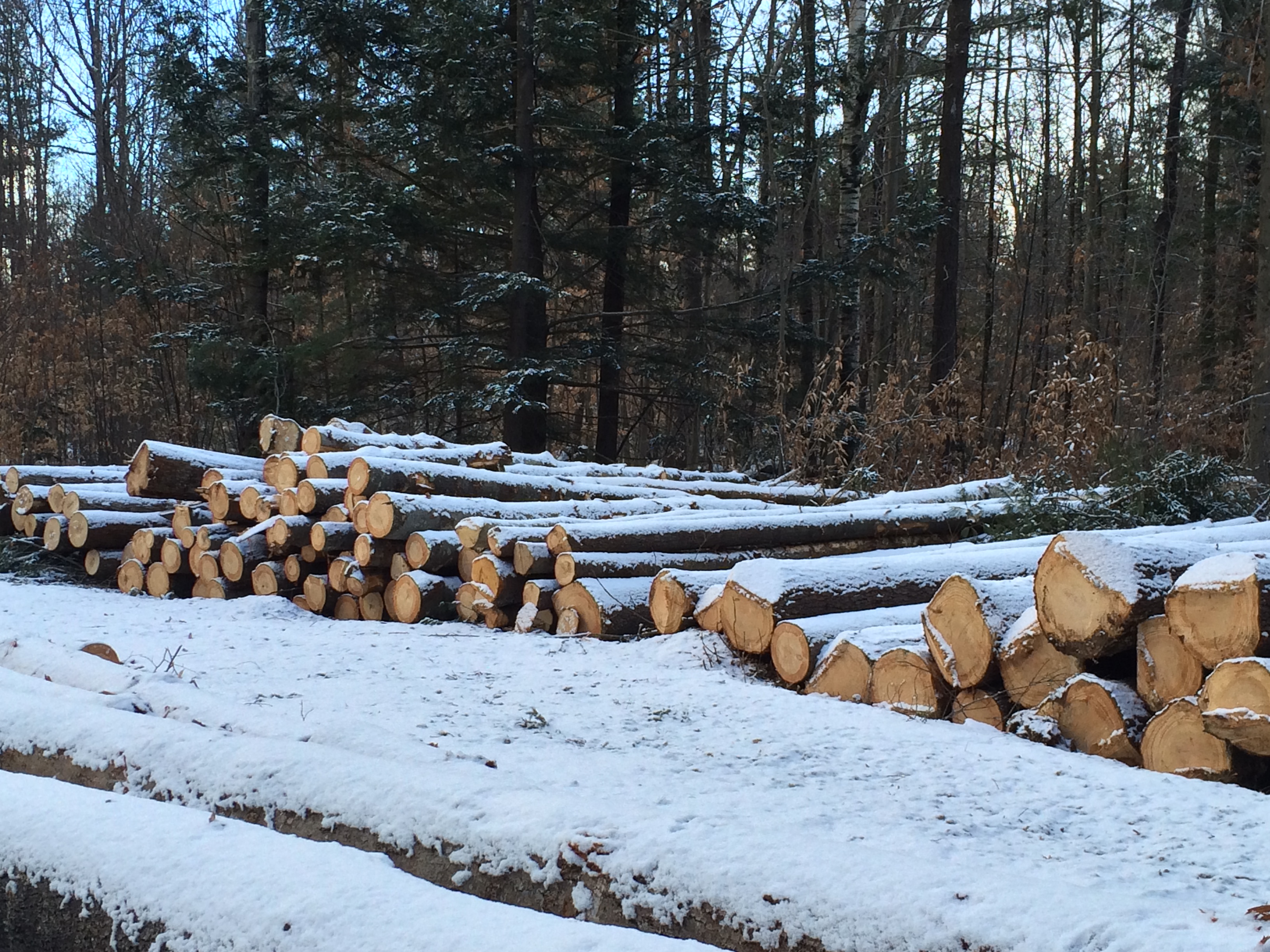
Depending on the type of wood, tools used and number of people involved in the effort, it might take anywhere from 2-3 hours or longer to cut and split a single cord of wood. The amount of solid wood in a cord varies depending on the size of the pieces, averaging about 85 cubic feet. Quality of wood is also to be considered and varies across species. Hardwoods such as maple and birch are best for extended or overnight burnings while softwoods such as pine, spruce and cedar produce more creosote and are best reserved for kindling.
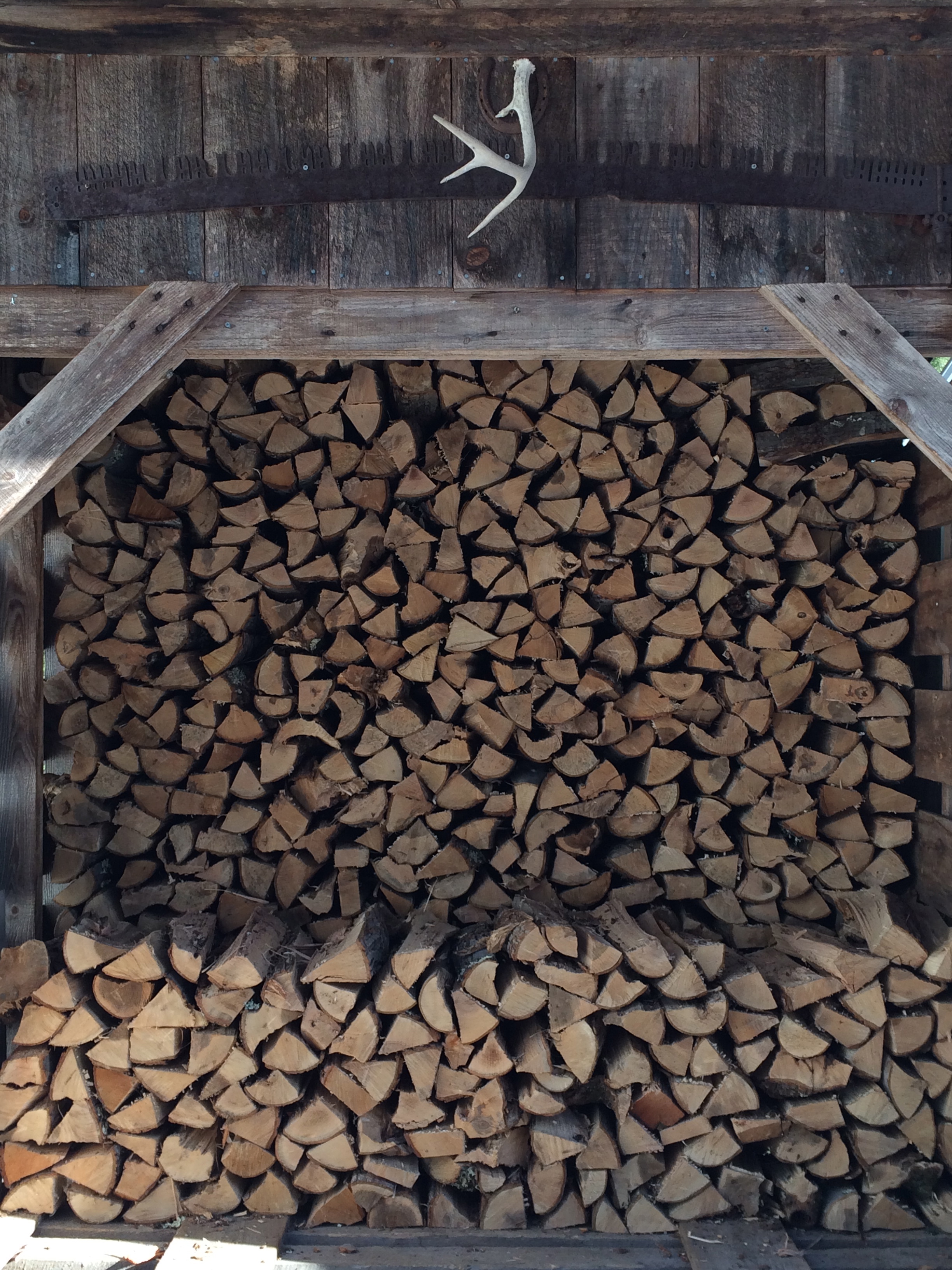
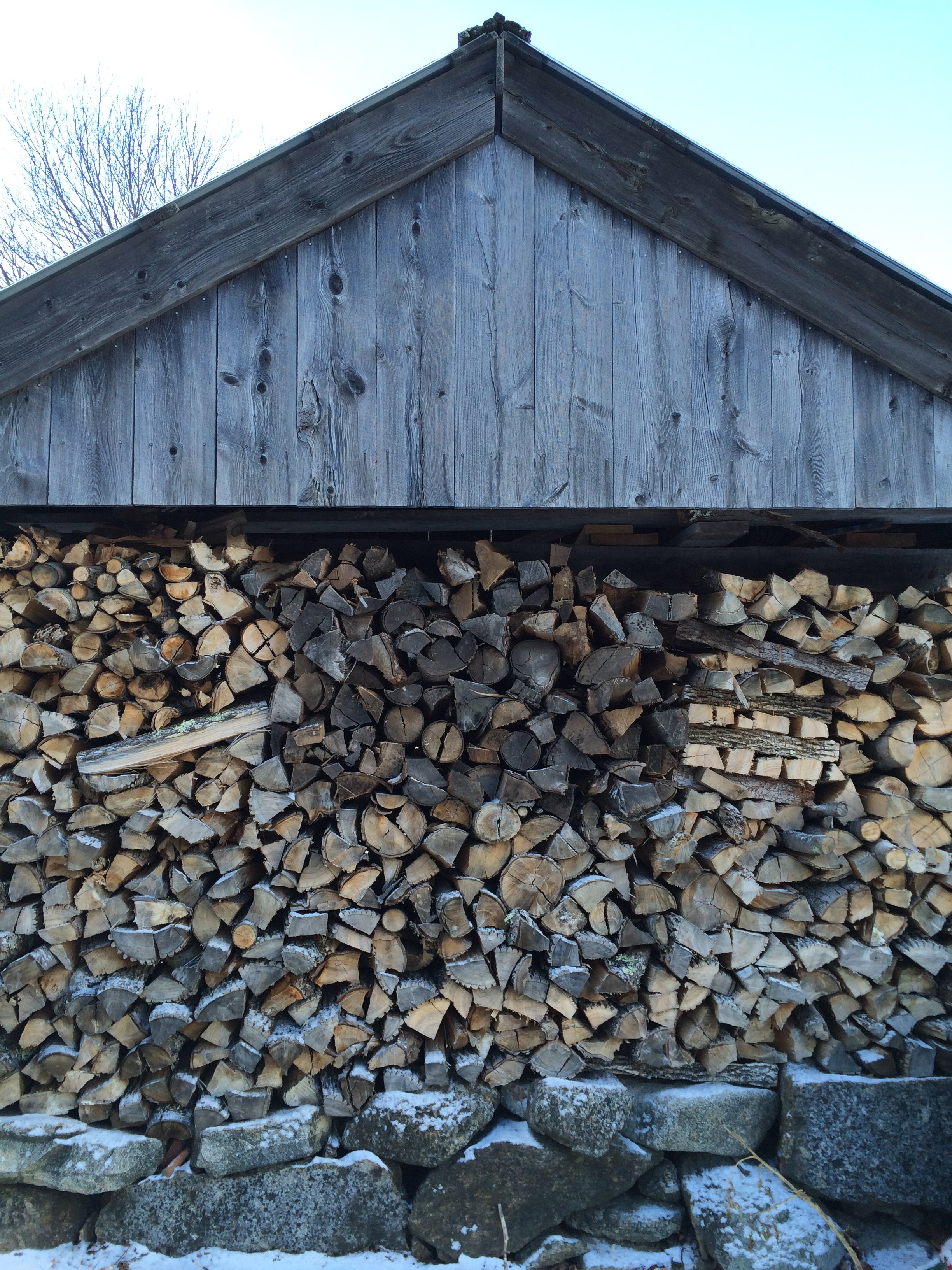
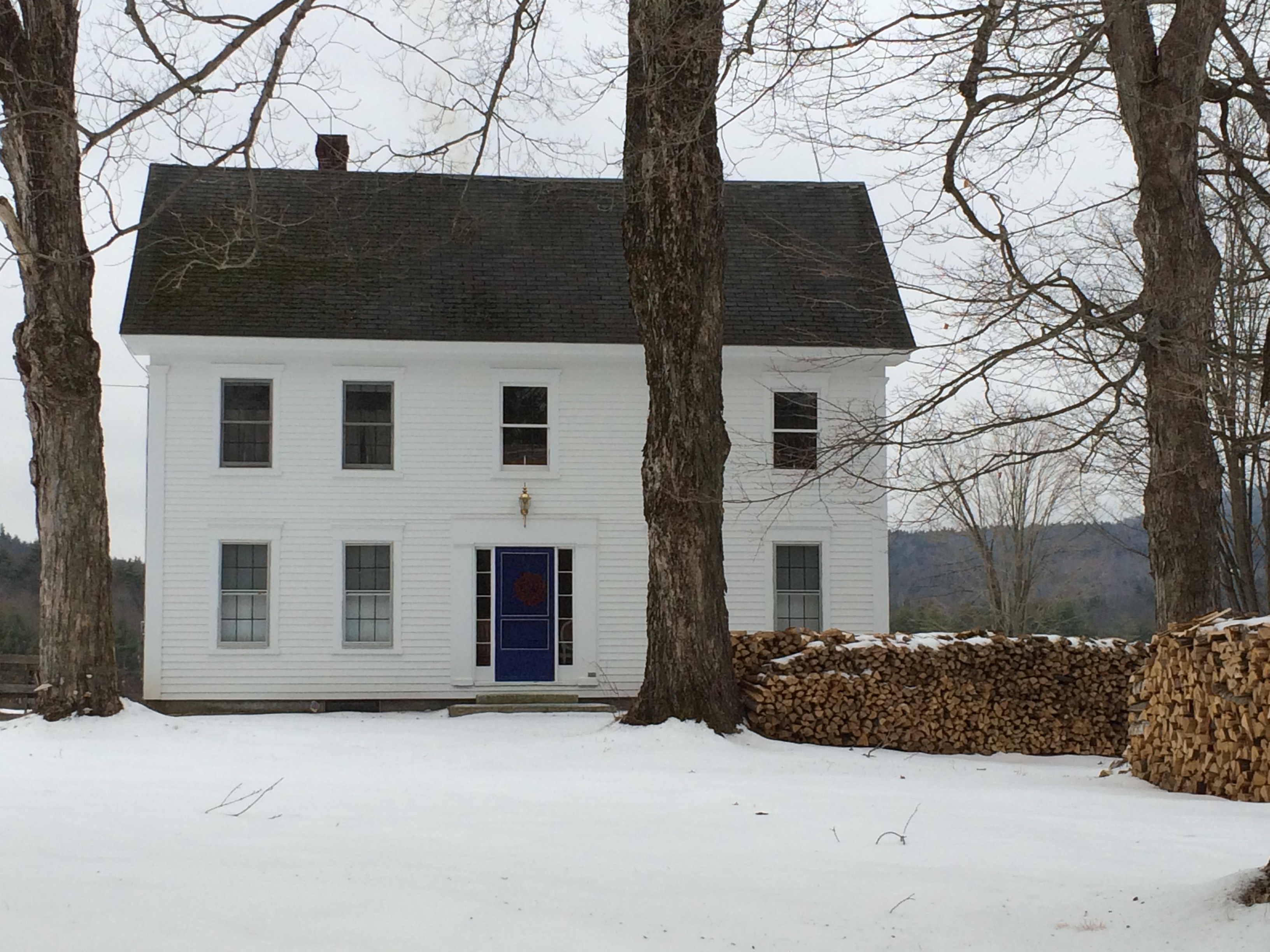
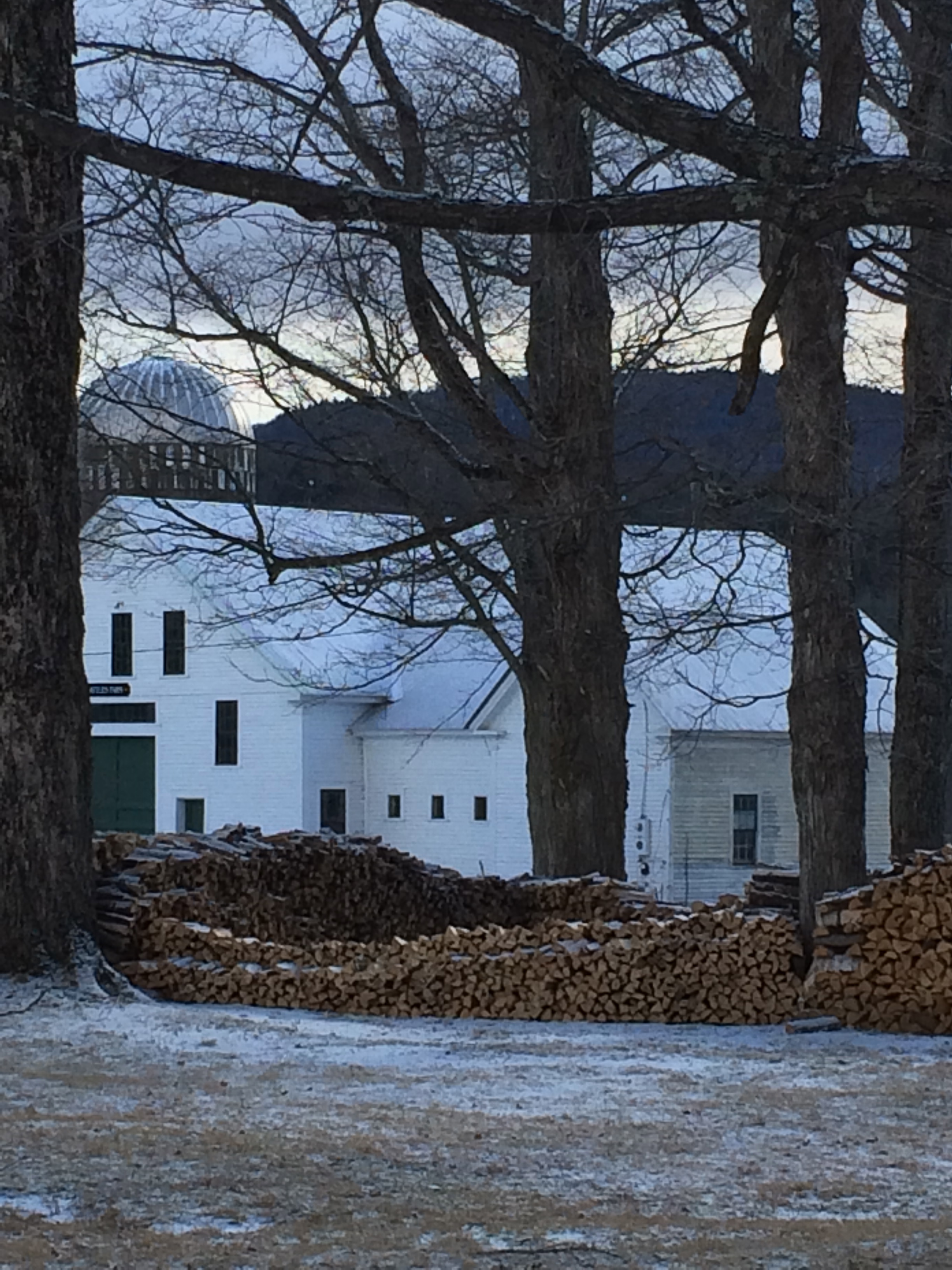
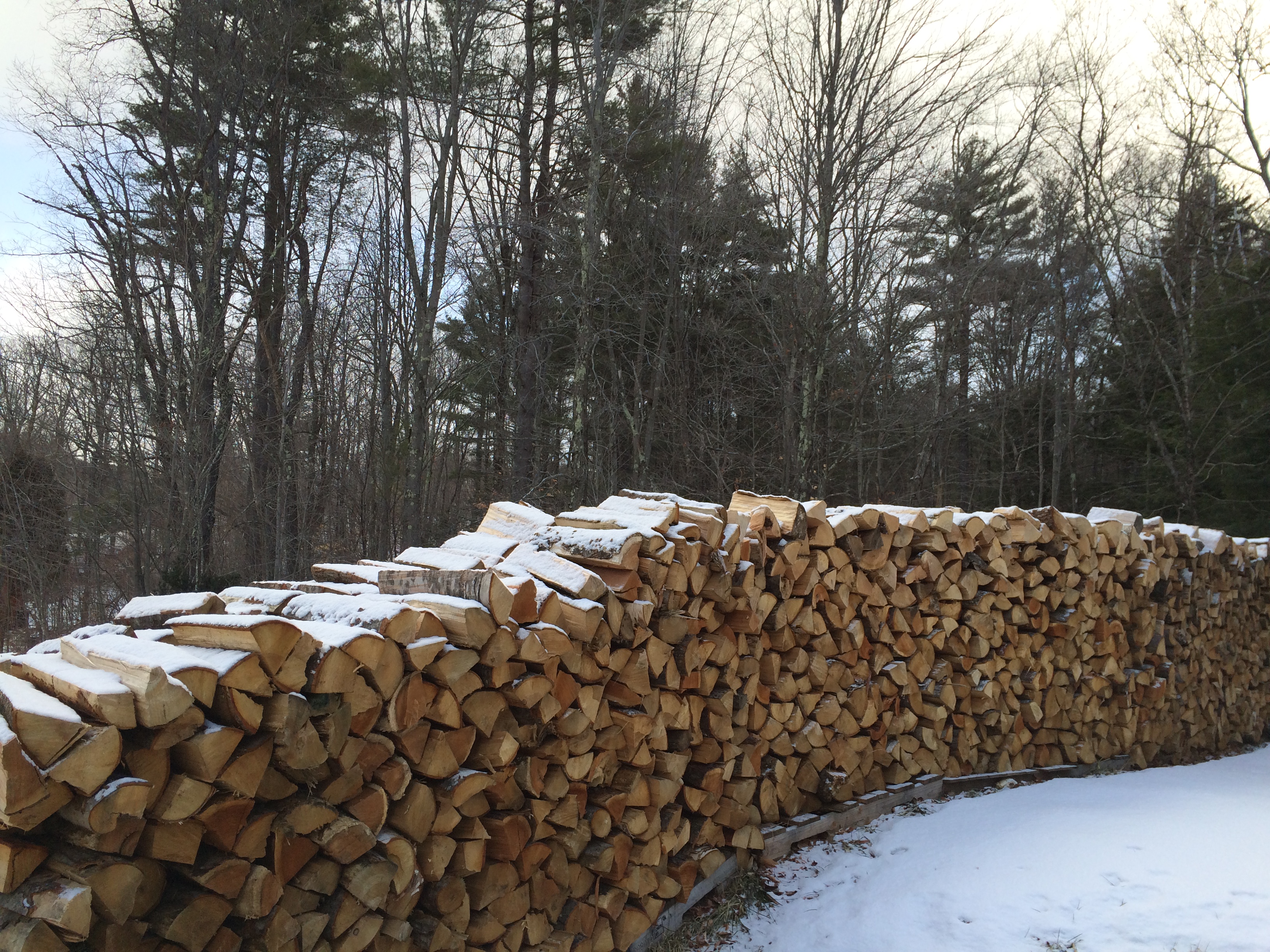
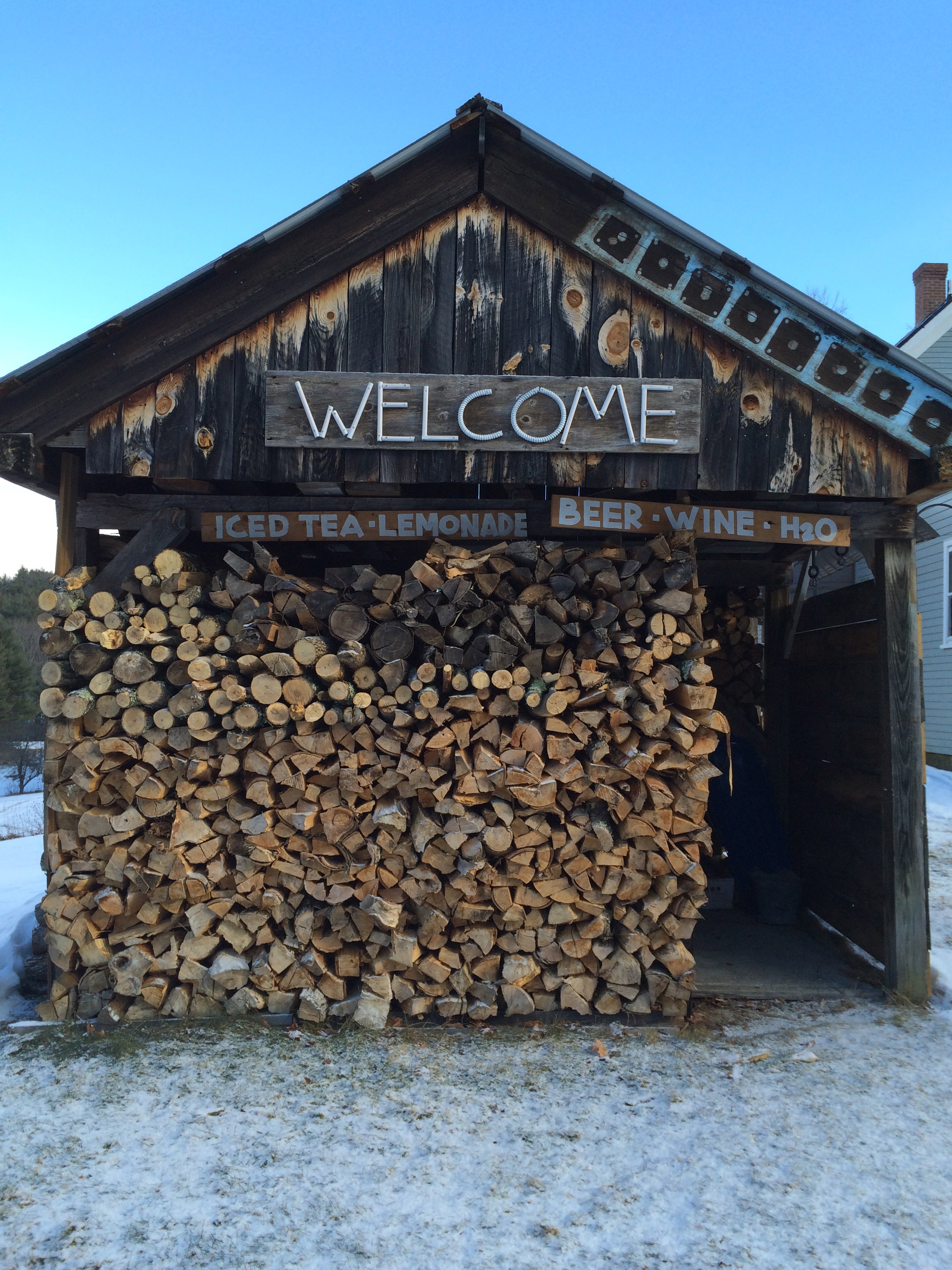
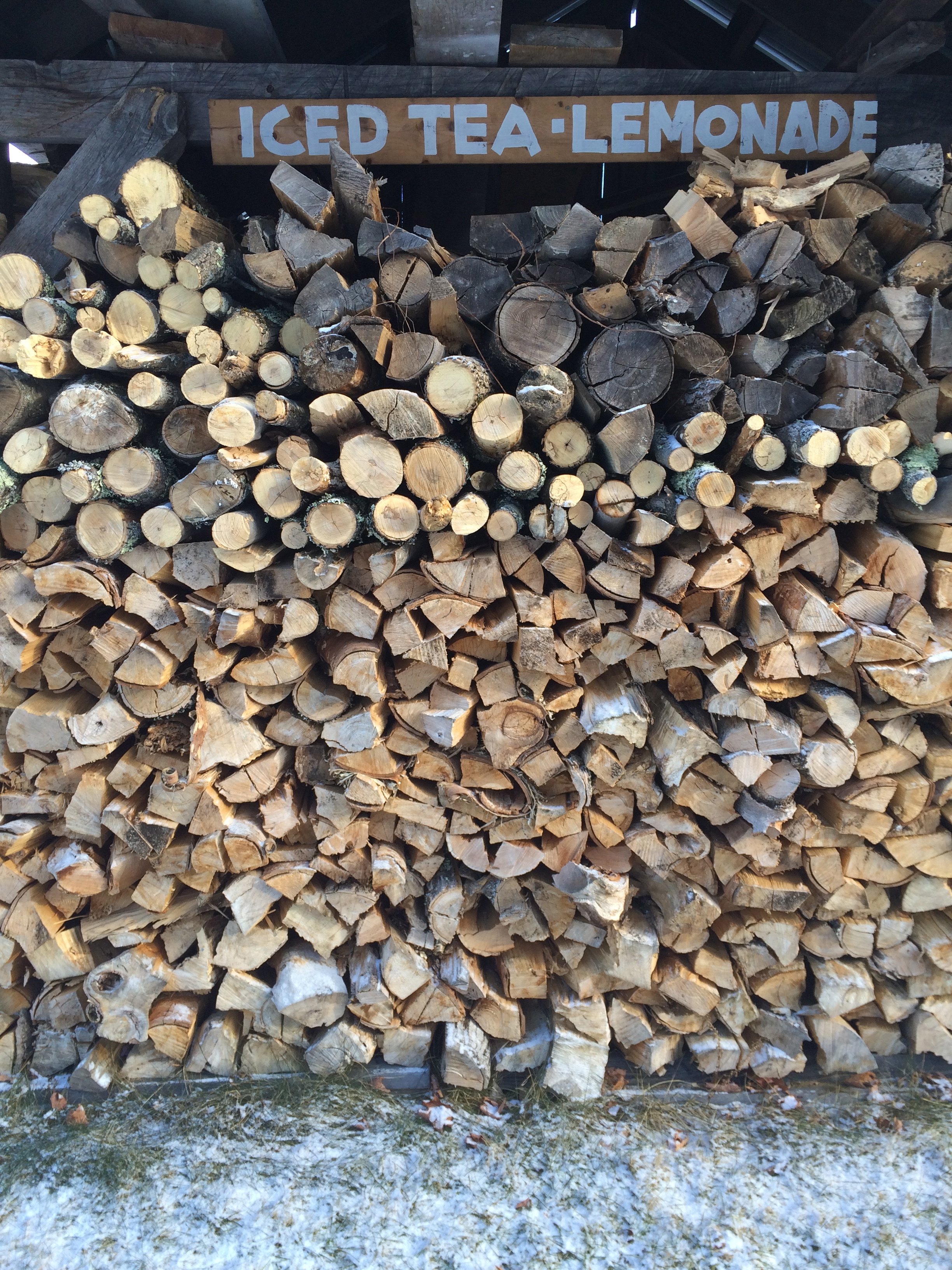
Aside from the more practical points, there is a certain visual appeal to be appreciated in the orderliness of deliberately stacked wood. A few images from around town:
 Rural New Hampshire