WINTER HIKE – GUILD HILL

IMG_2775

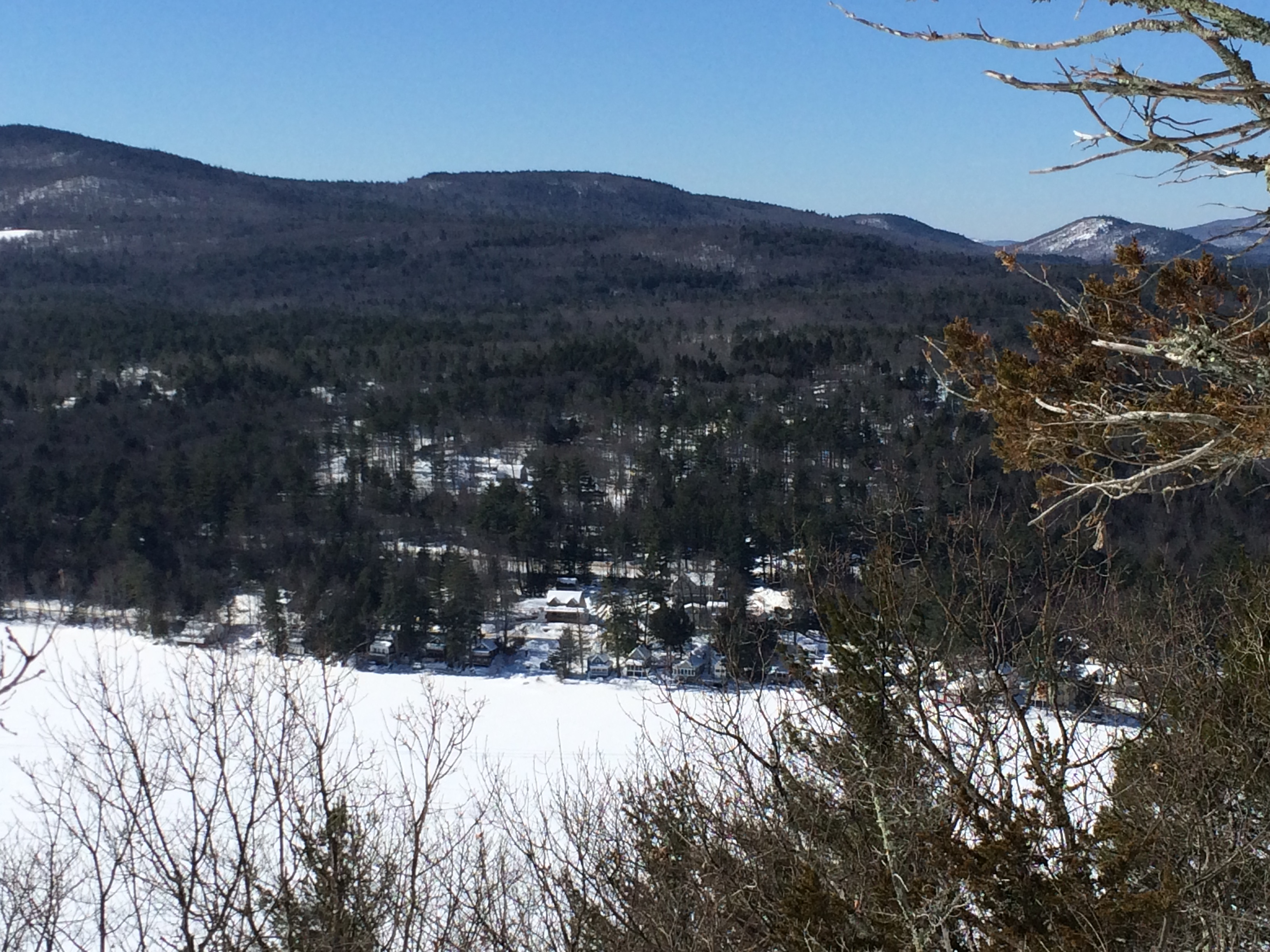
Lake Massasecum overlook on Guild Hill

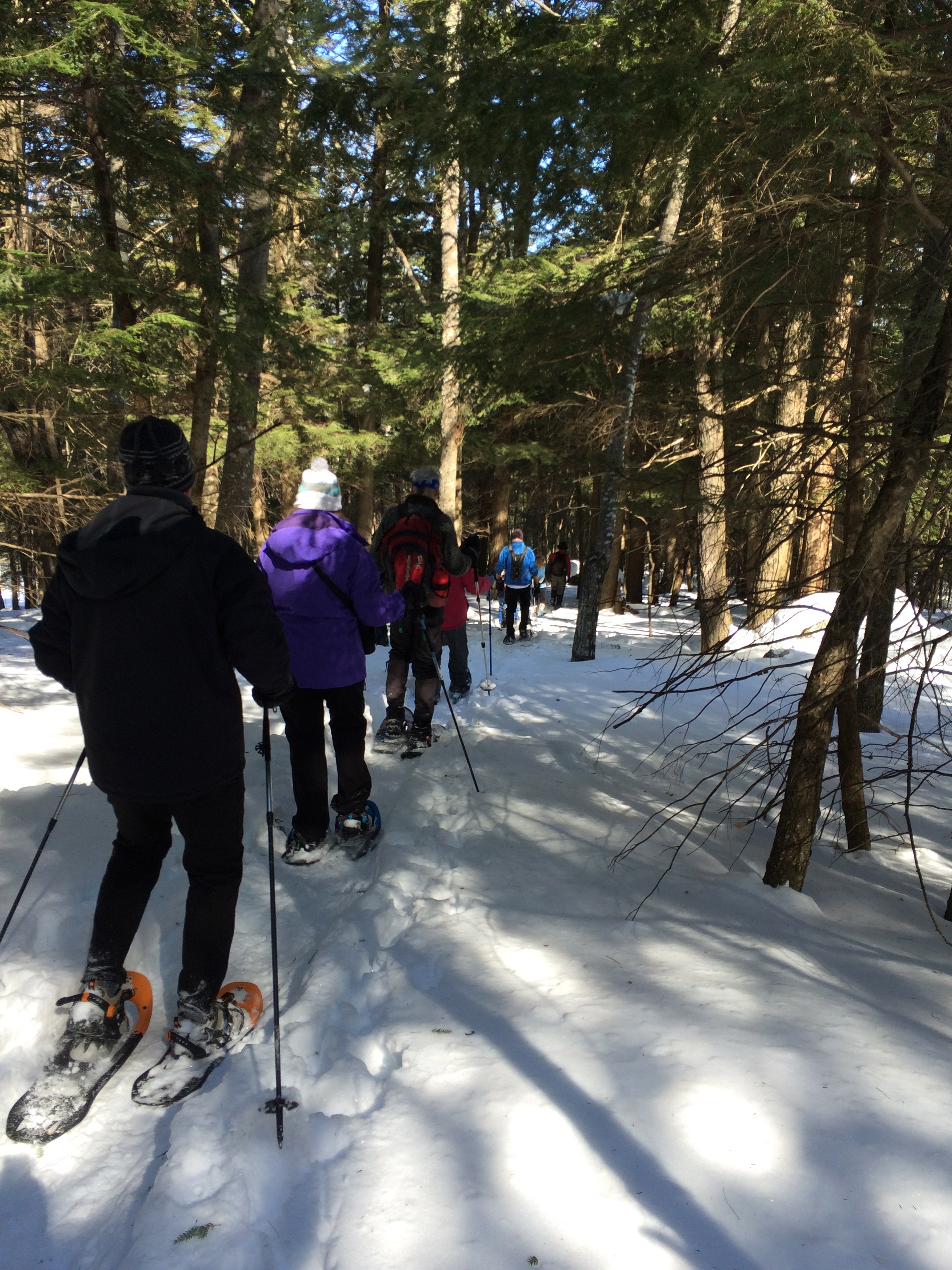
Sunapee Ragged Kearsarge Greenway (elsewhere referred to as SRKG on this blog) hosted another in their series of winter hikes this past weekend on privately conserved land in Bradford.  The 89 property includes part of Guild Hill, a prominent overlook to Lake Massasecum.  Of historical significance, it was originally part of one of the “Great Lots” granted to John Mason by the King of England in the 17th century.  In 2005, the land was placed into conservation under the Ausbon Sargent Land Preservation Trust.

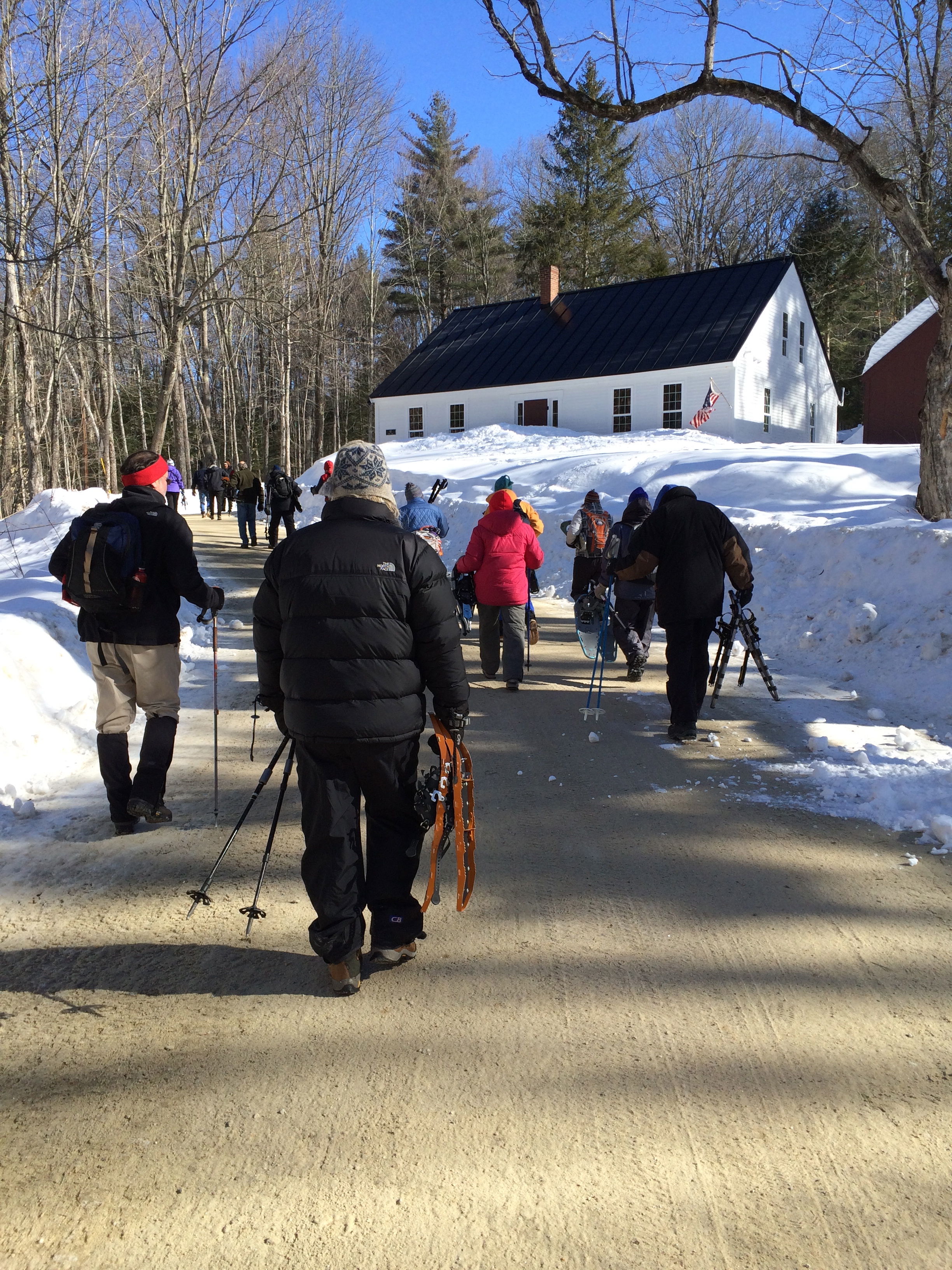
A short walk to the trailhead preceded the hike:
IMG_2714

Warming up

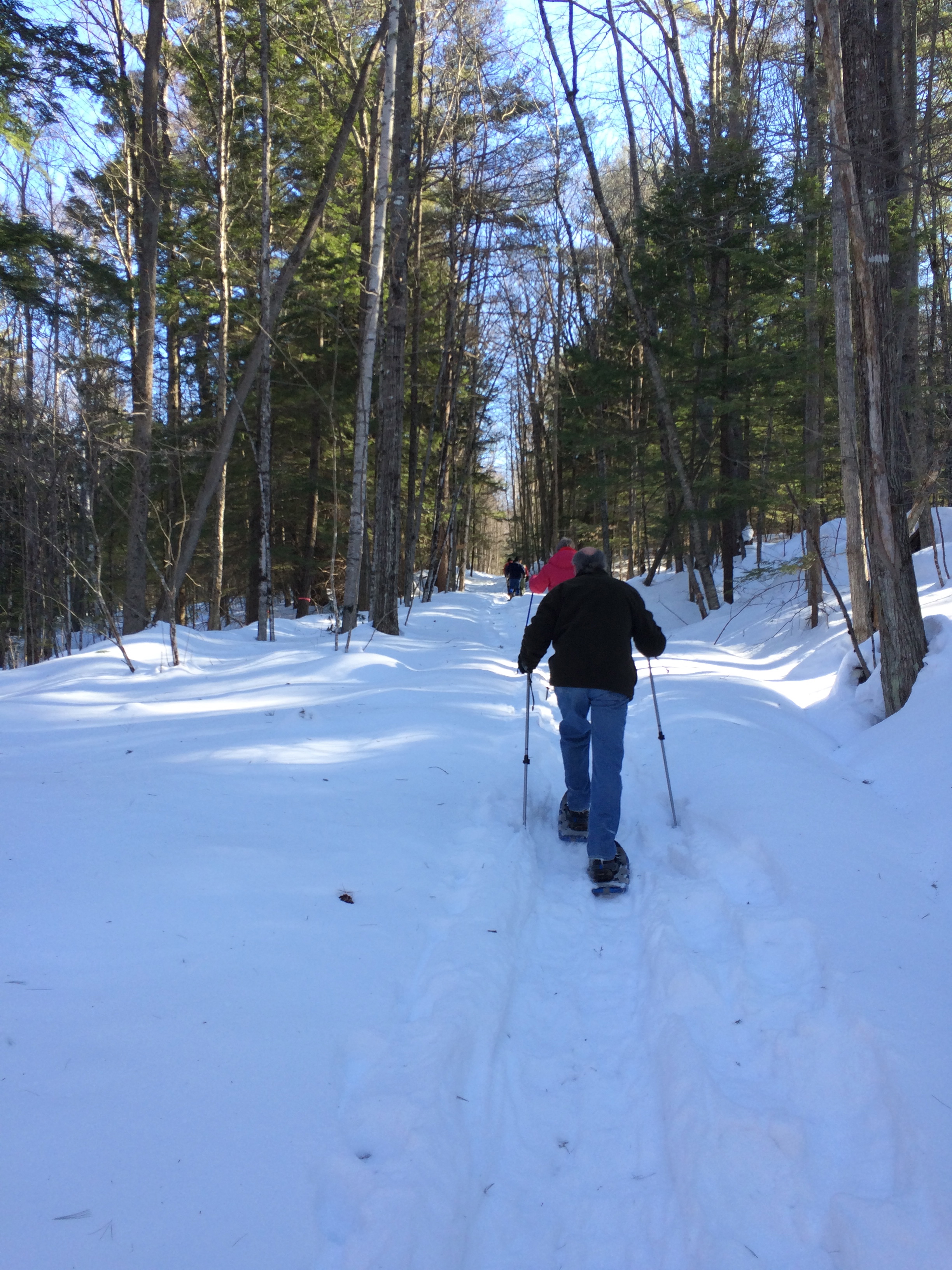
Getting started at the trailhead:
IMG_2718

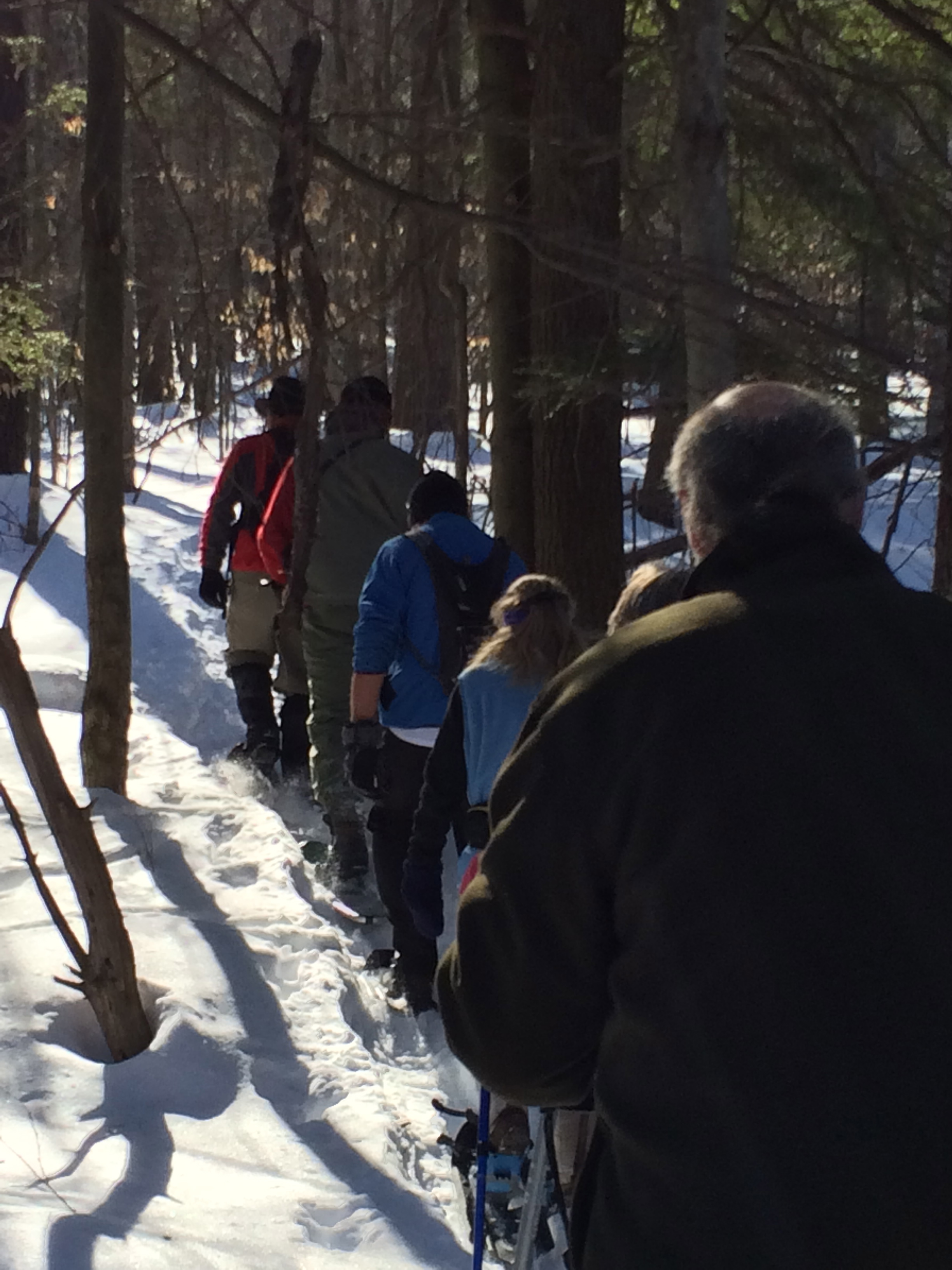
The old, abandoned stretch of road

IMG_2720

A local celebrity was spotted along the way:
IMG_2726

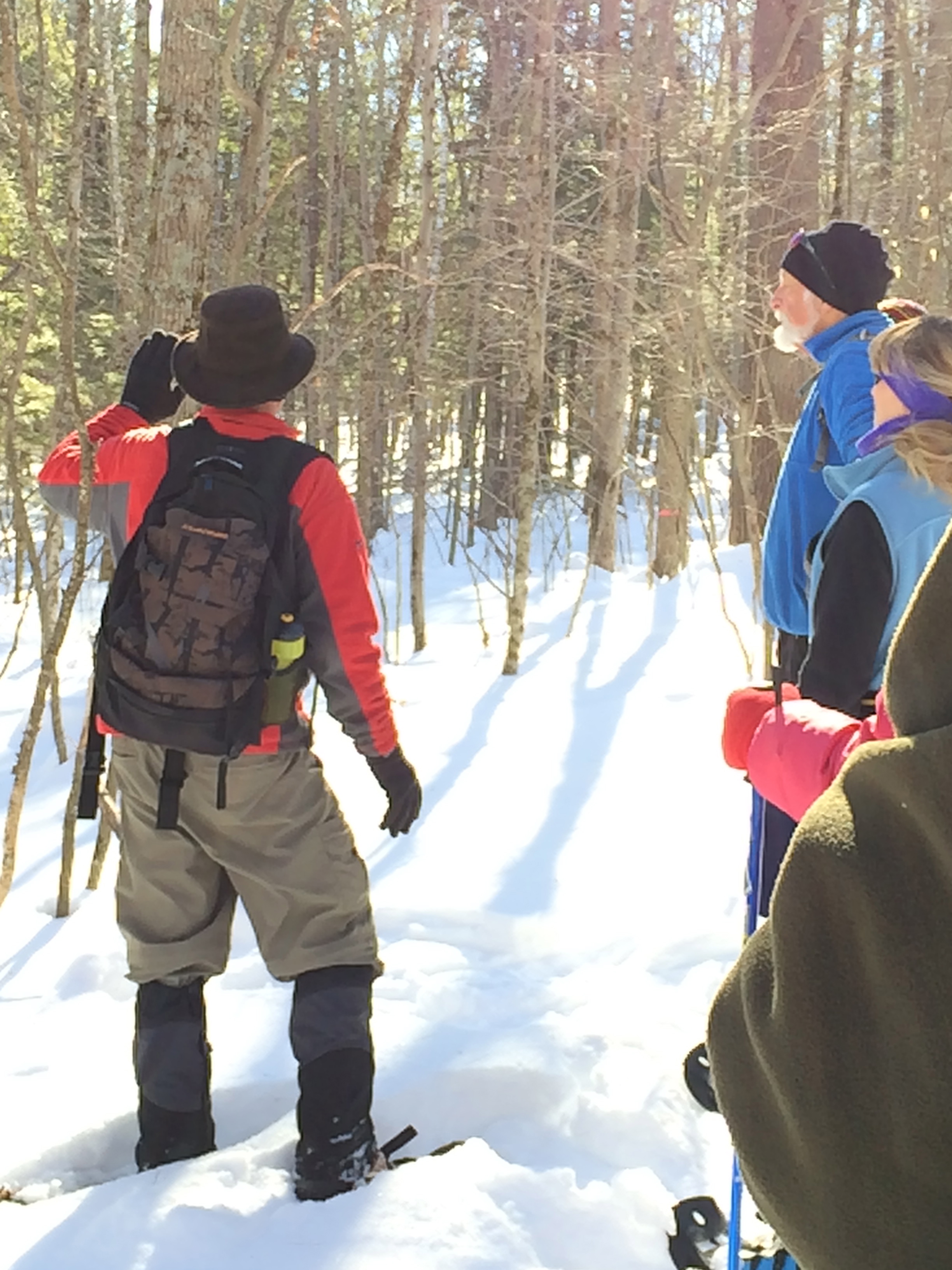
Hike leader, George, stops to point out the Merrimack County Big Tree Champion:
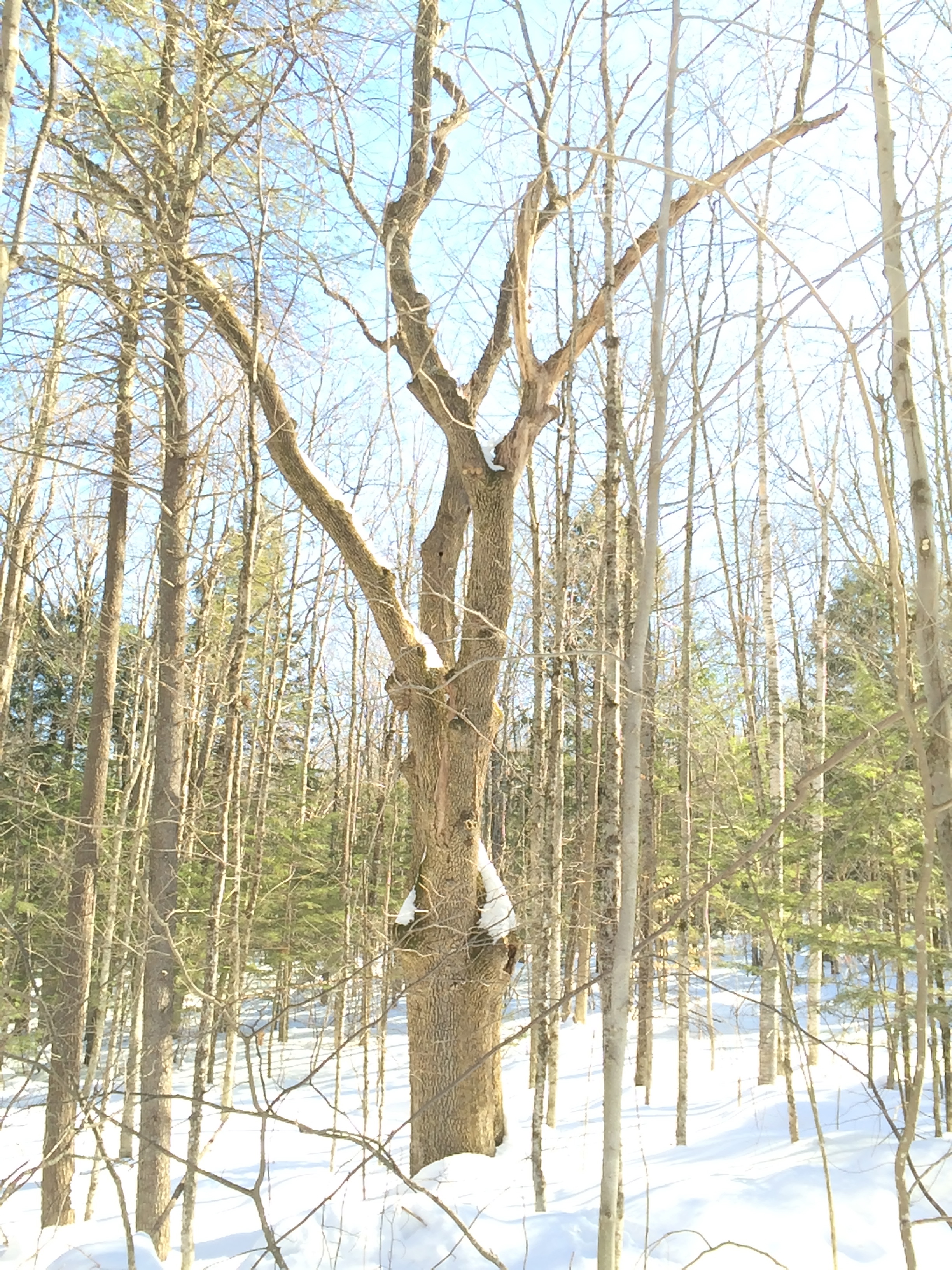
IMG_2728

A stately White Ash

The ancient giant above is listed in the NH Big Tree Register and also reigns as the NH state co-champion.
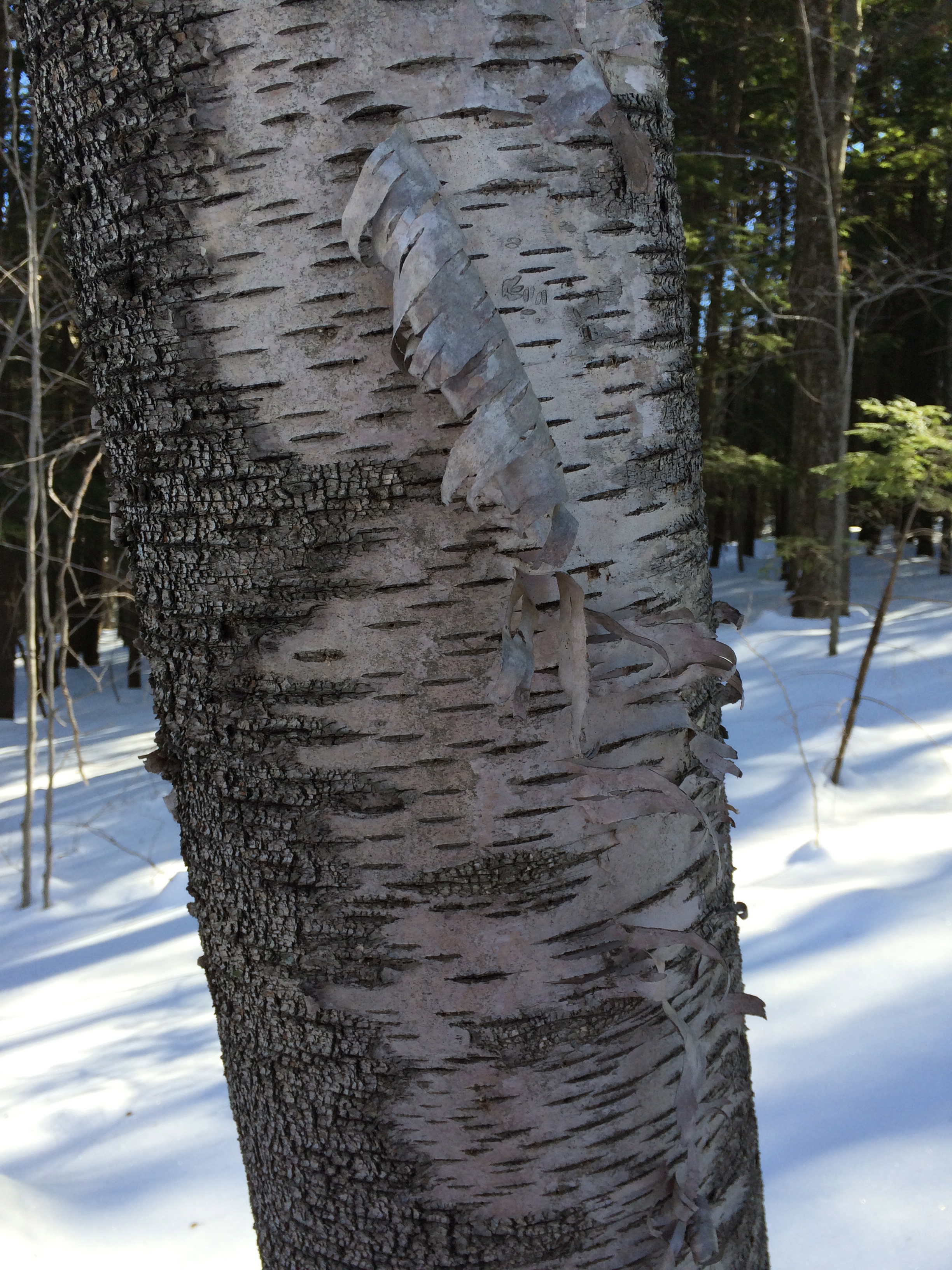
Other, less celebrated but still noteworthy trees were observed:
IMG_2737

Paper birch – Ernest Thompson Seton’s “White Queen of the Woods”
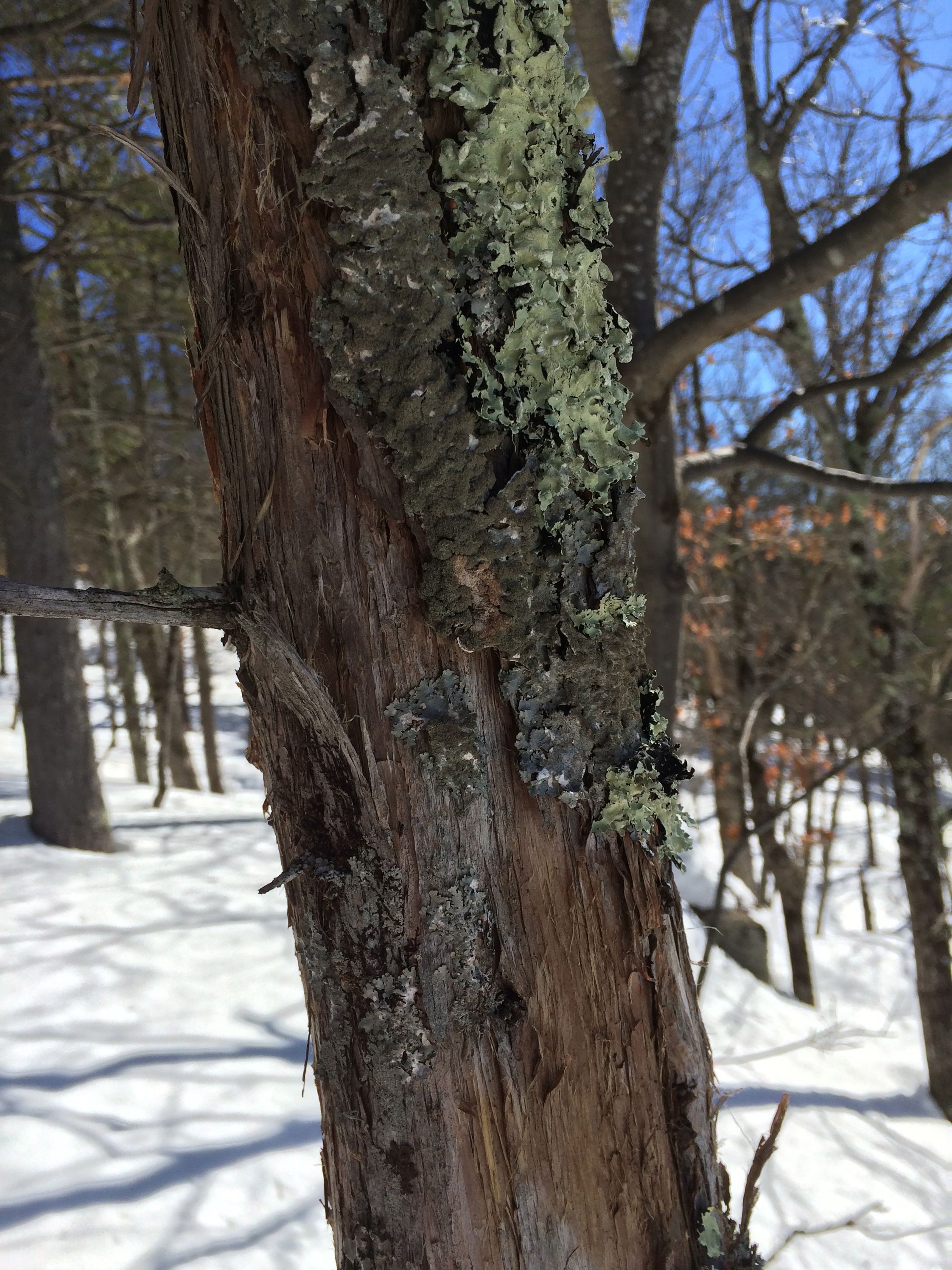
IMG_2795

Red cedar – aka canoe cedar, known chiefly for its durability.
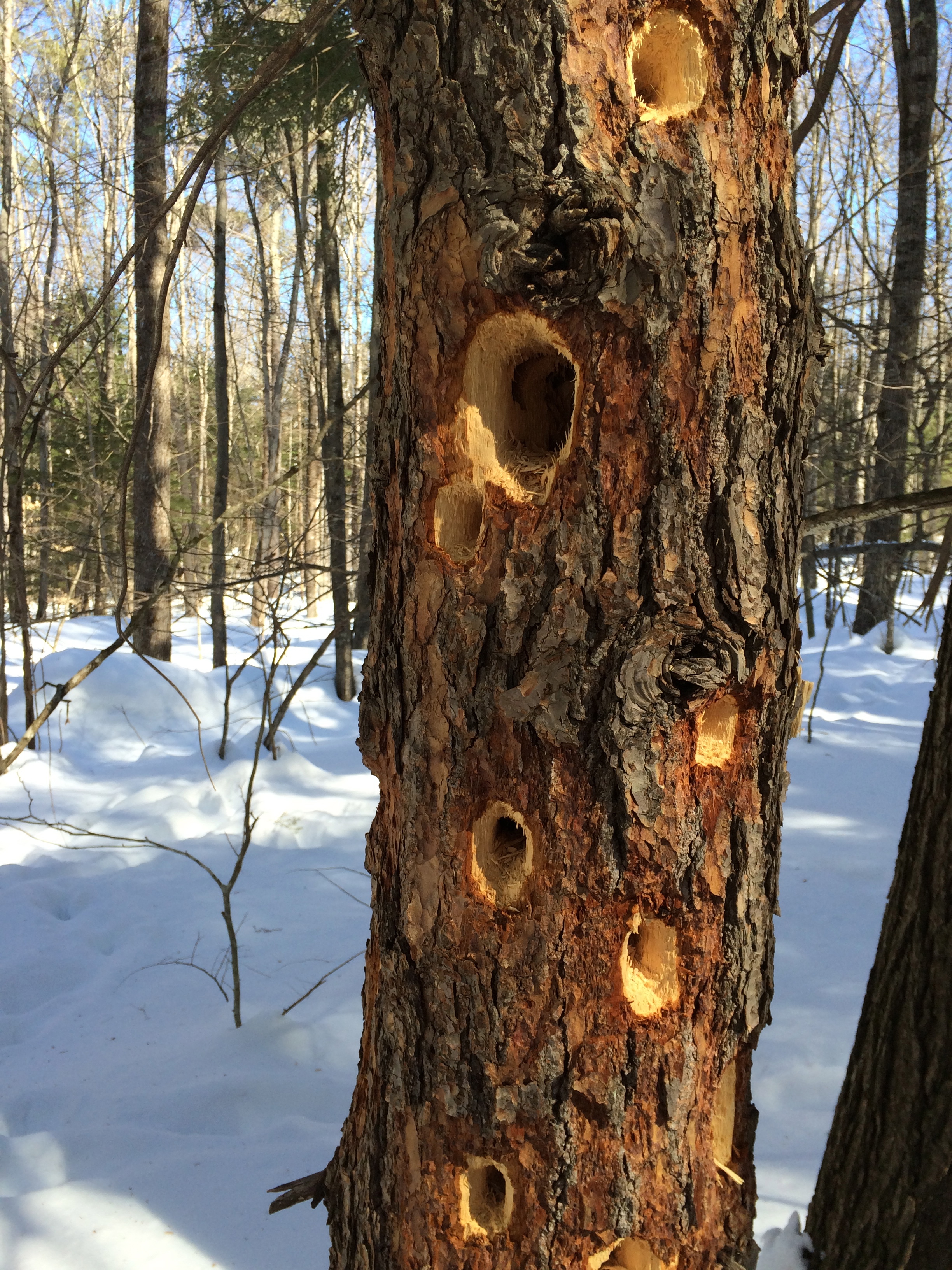
IMG_2817

And this embattled warrior

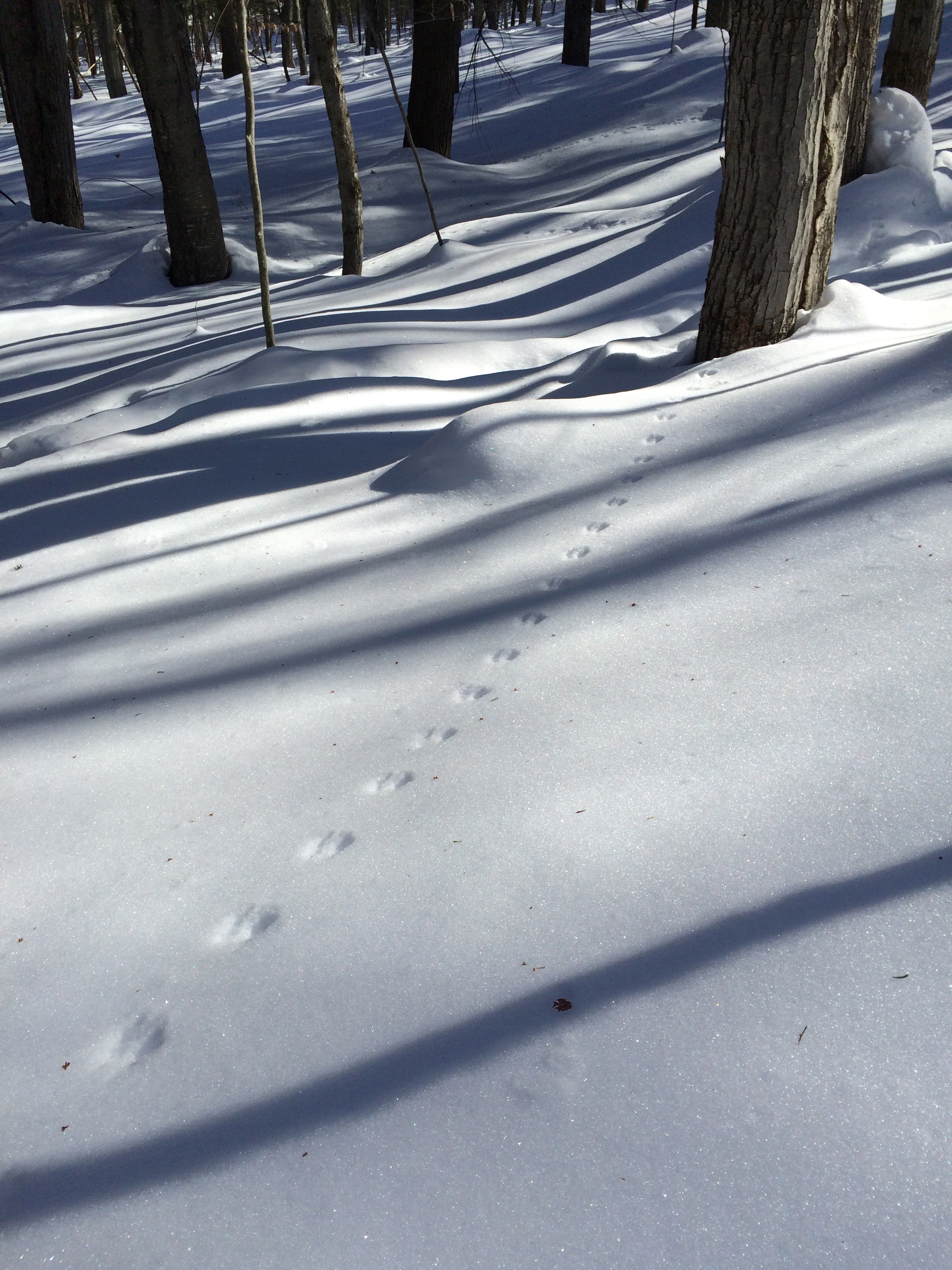
Snowshoe hare tracks dotted the landscape:
IMG_2732

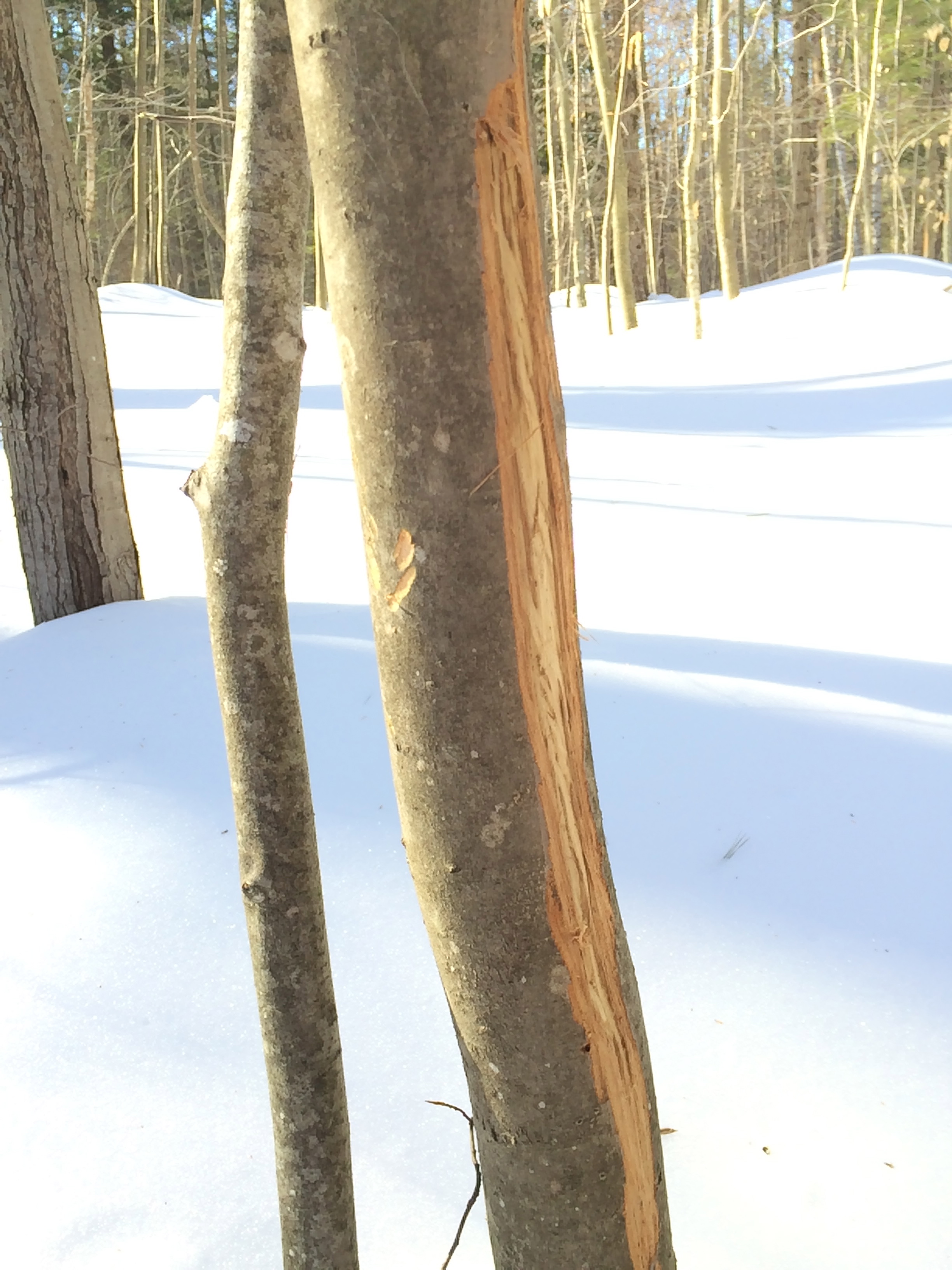
A moose bark scraping was not far behind:
IMG_2727

A territorial marking. The nutritious cambium layer of the bark also makes for a tasty winter snack.

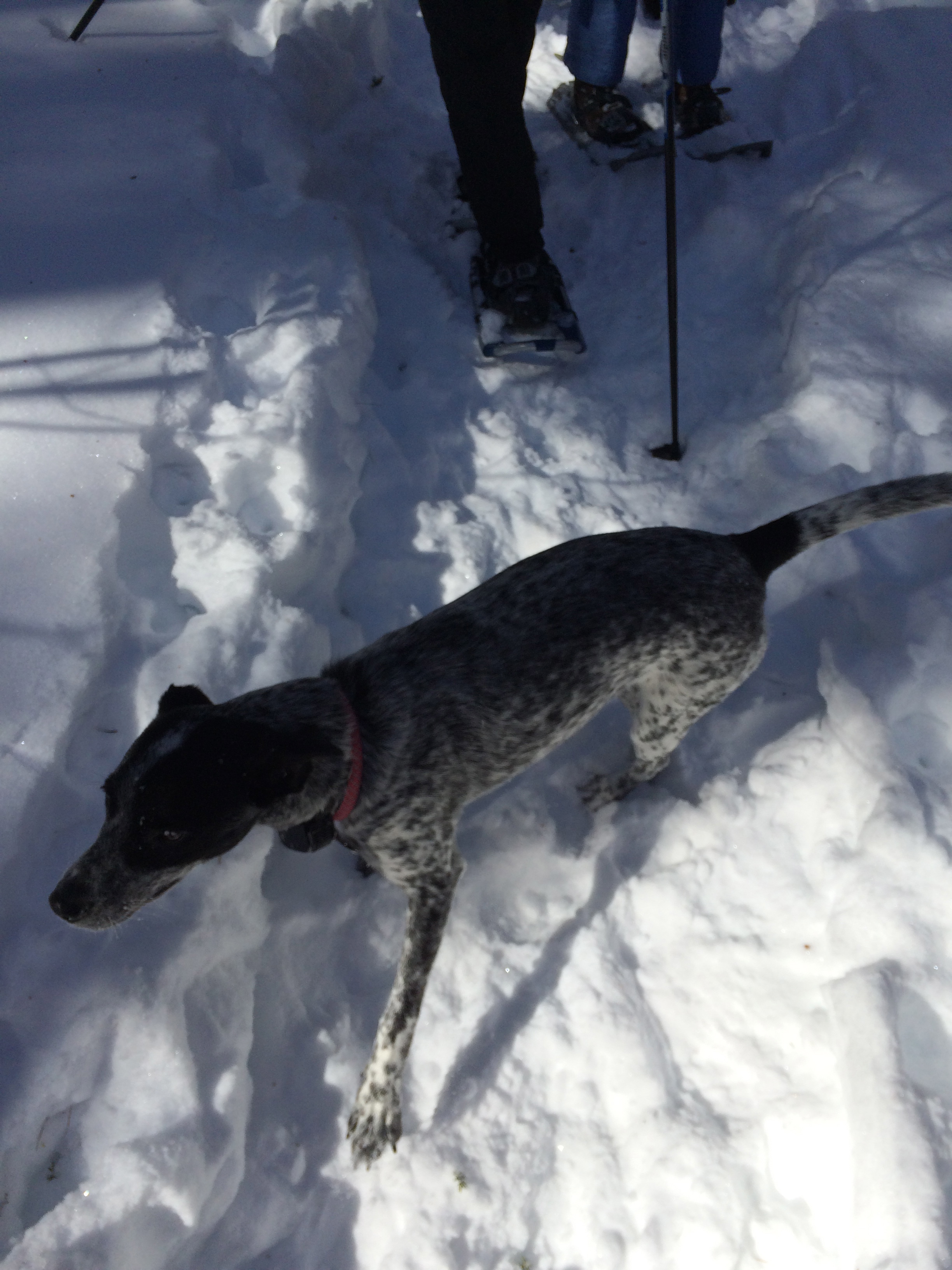
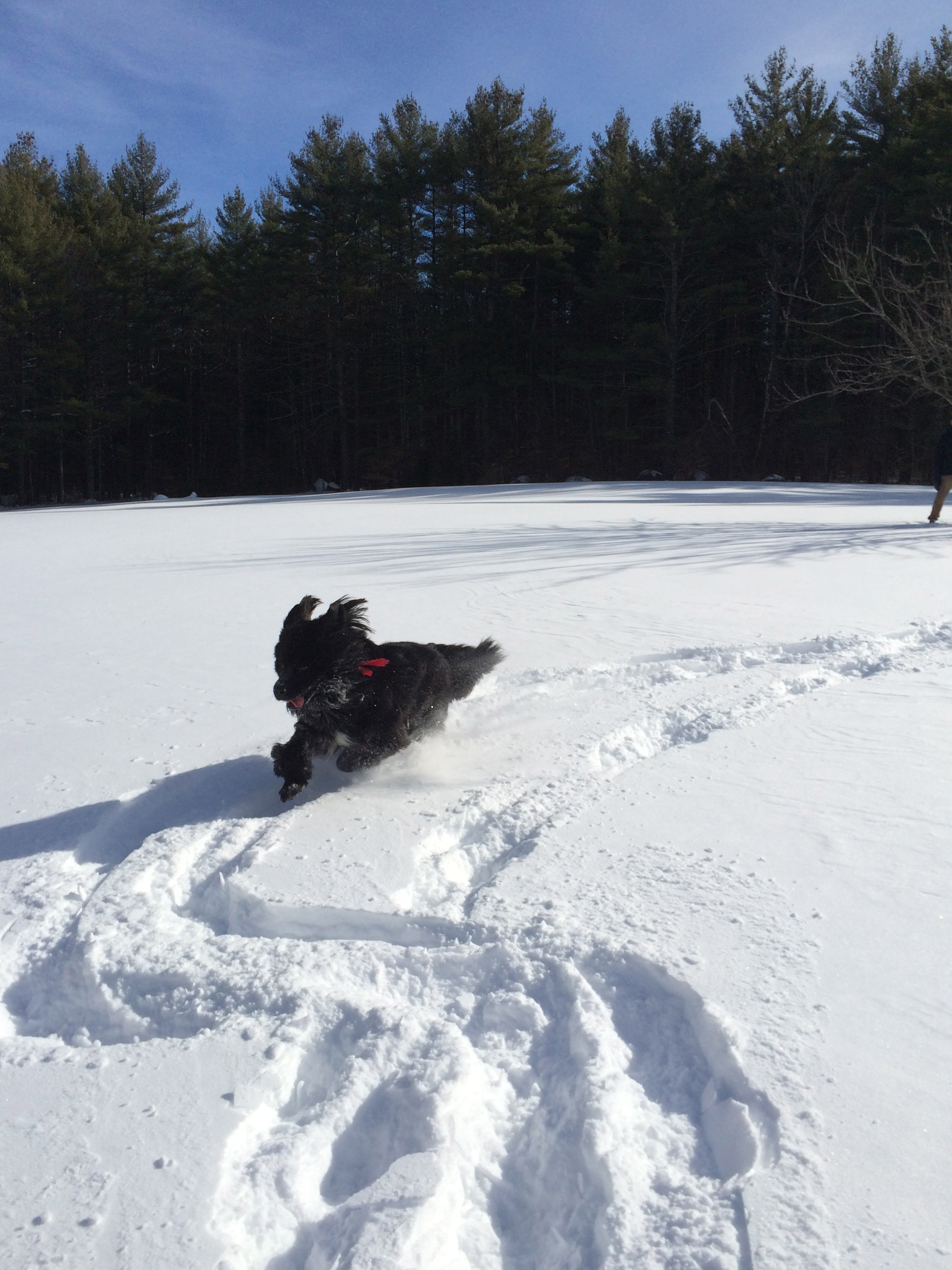
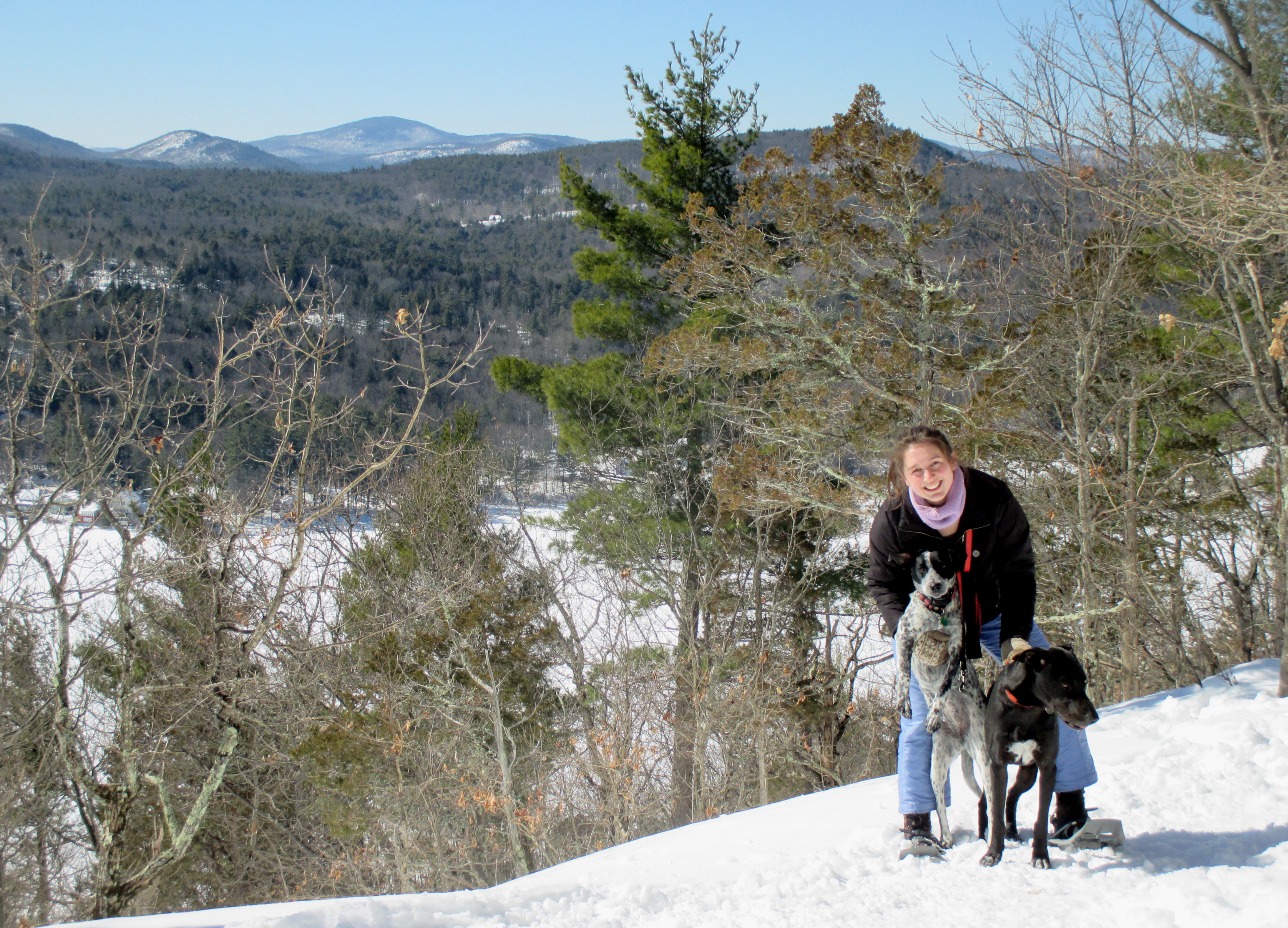
Friends Laurie and Anna were on the trail, with their dogs Goose and Bella:

IMG_2813

IMG_2814

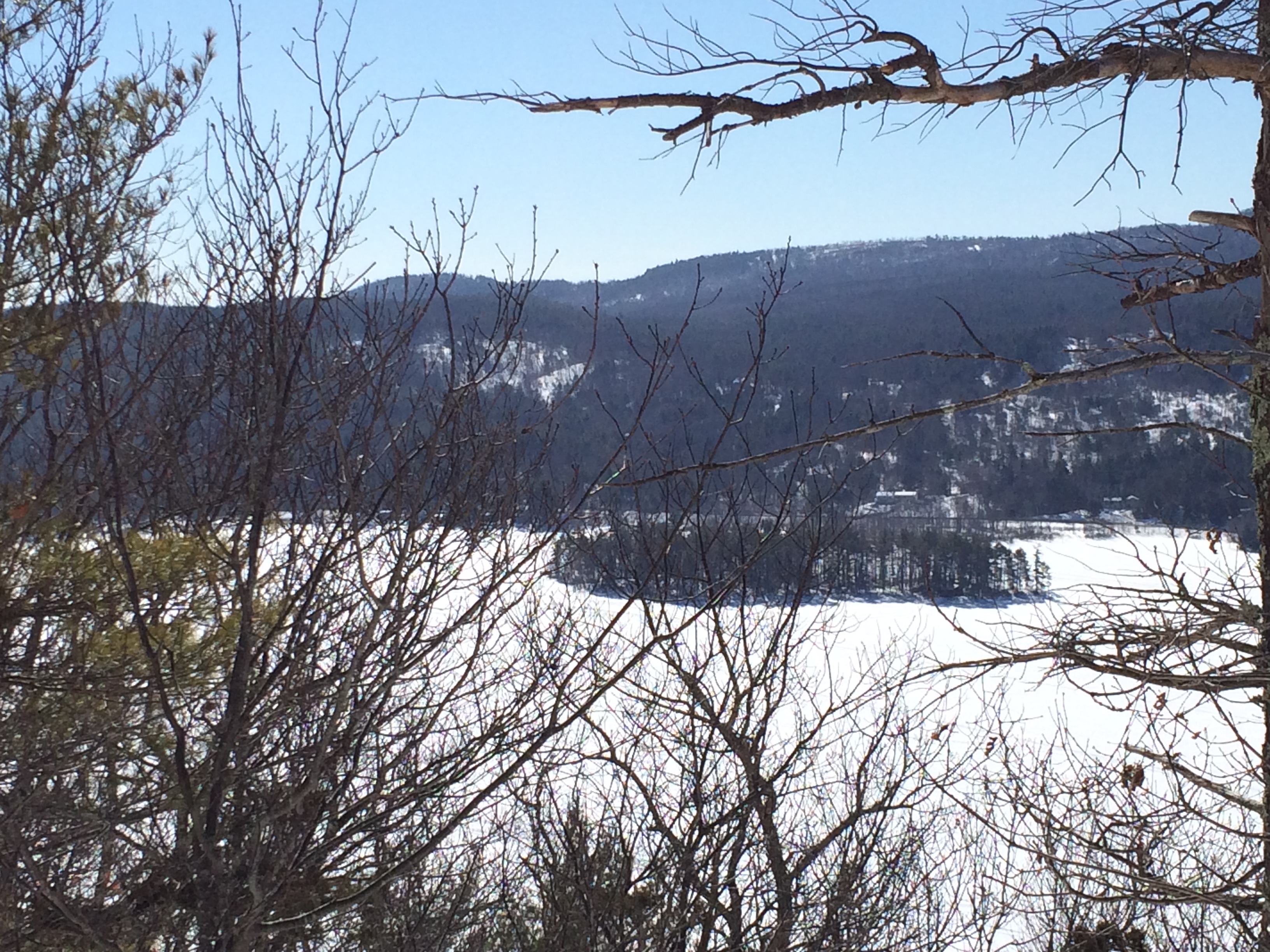
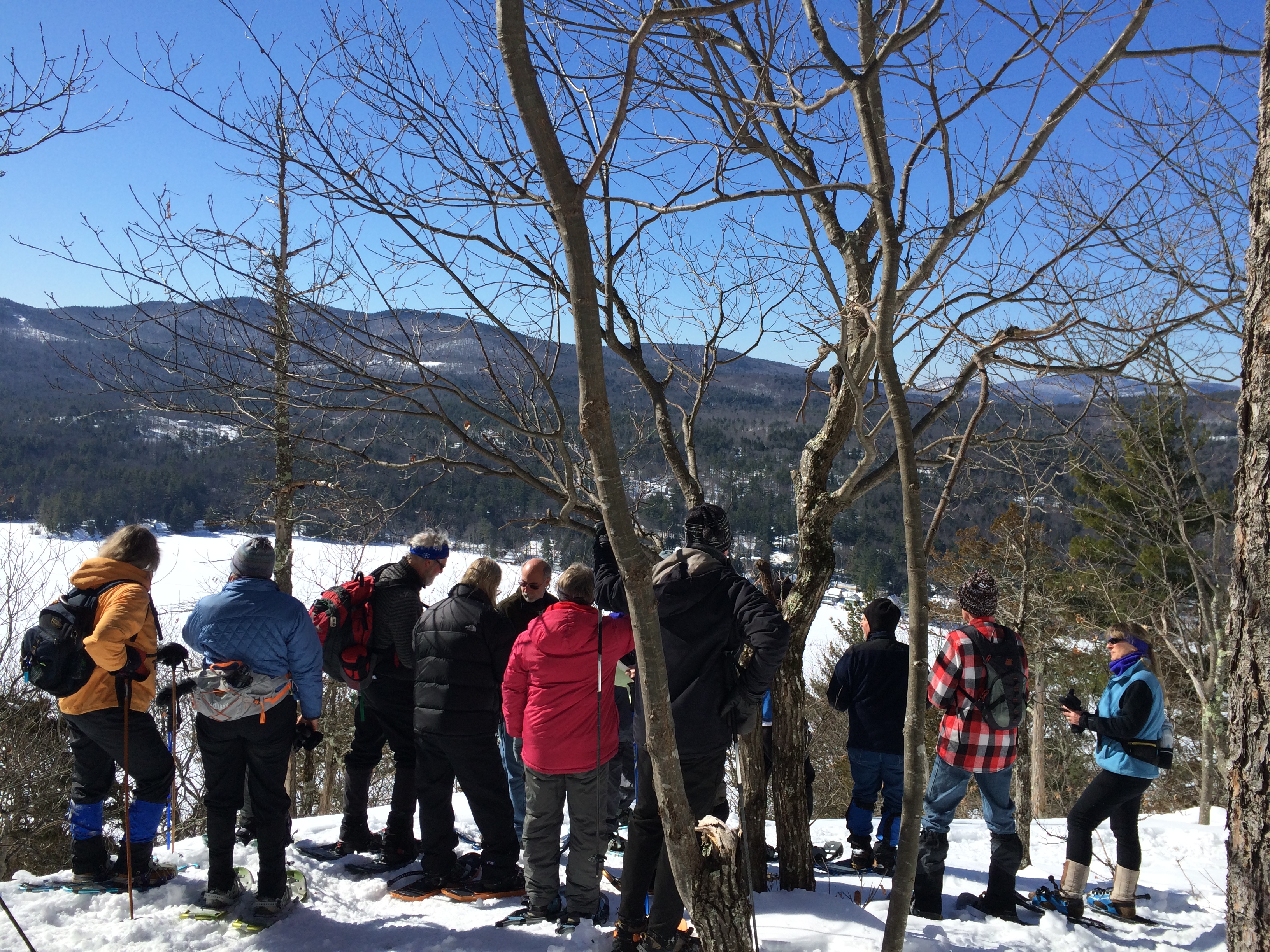
Impressive views of Lake Massasecum were a highlight of the day:
IMG_2788

Overlooking the lake

IMG_2777

Loon Island

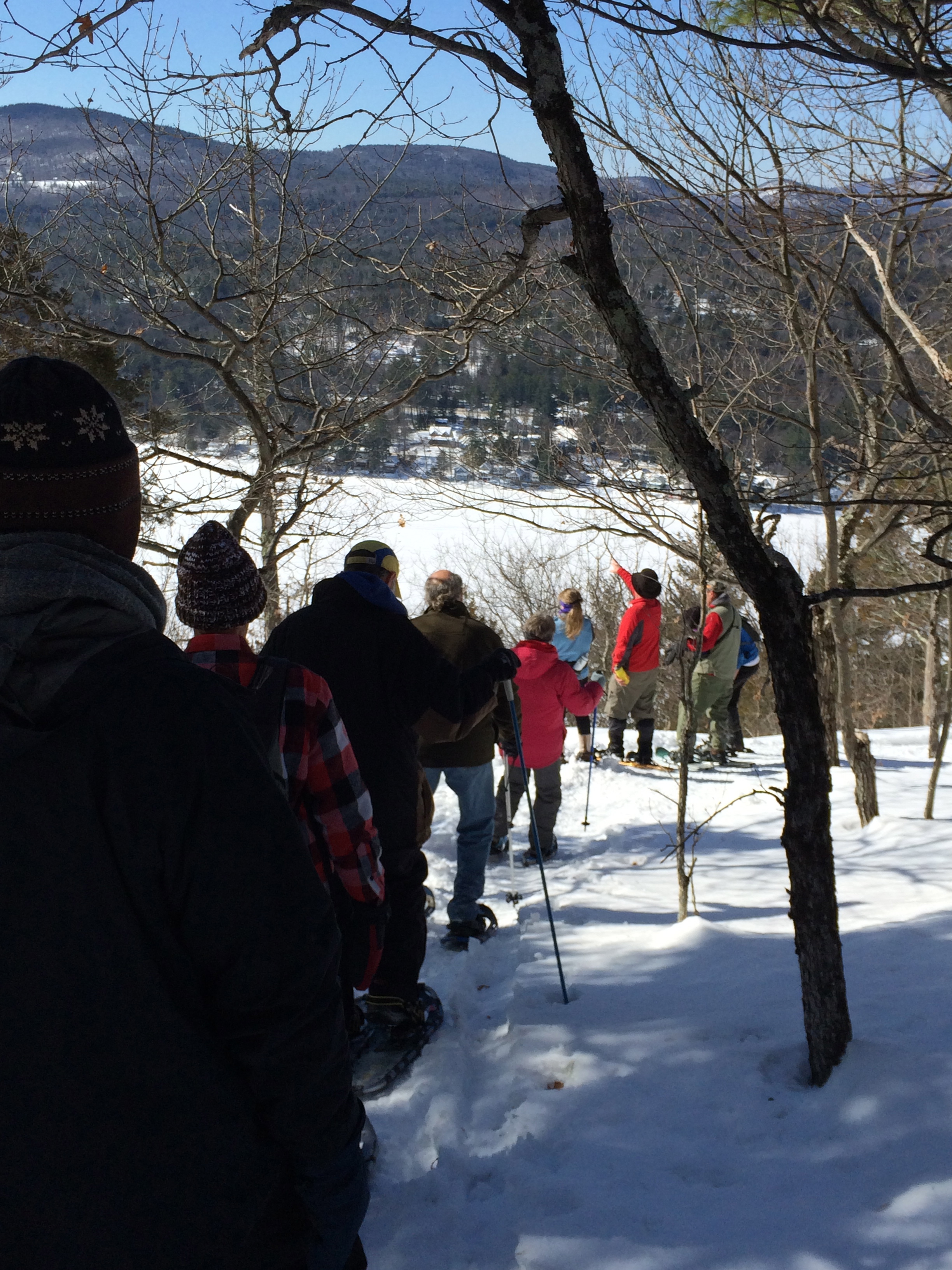
IMG_2754

Spotting friends’ and neighbors’ houses from afar
IMG_3503

Goose and Bella, yukking it up


The trail map was consulted before heading back….
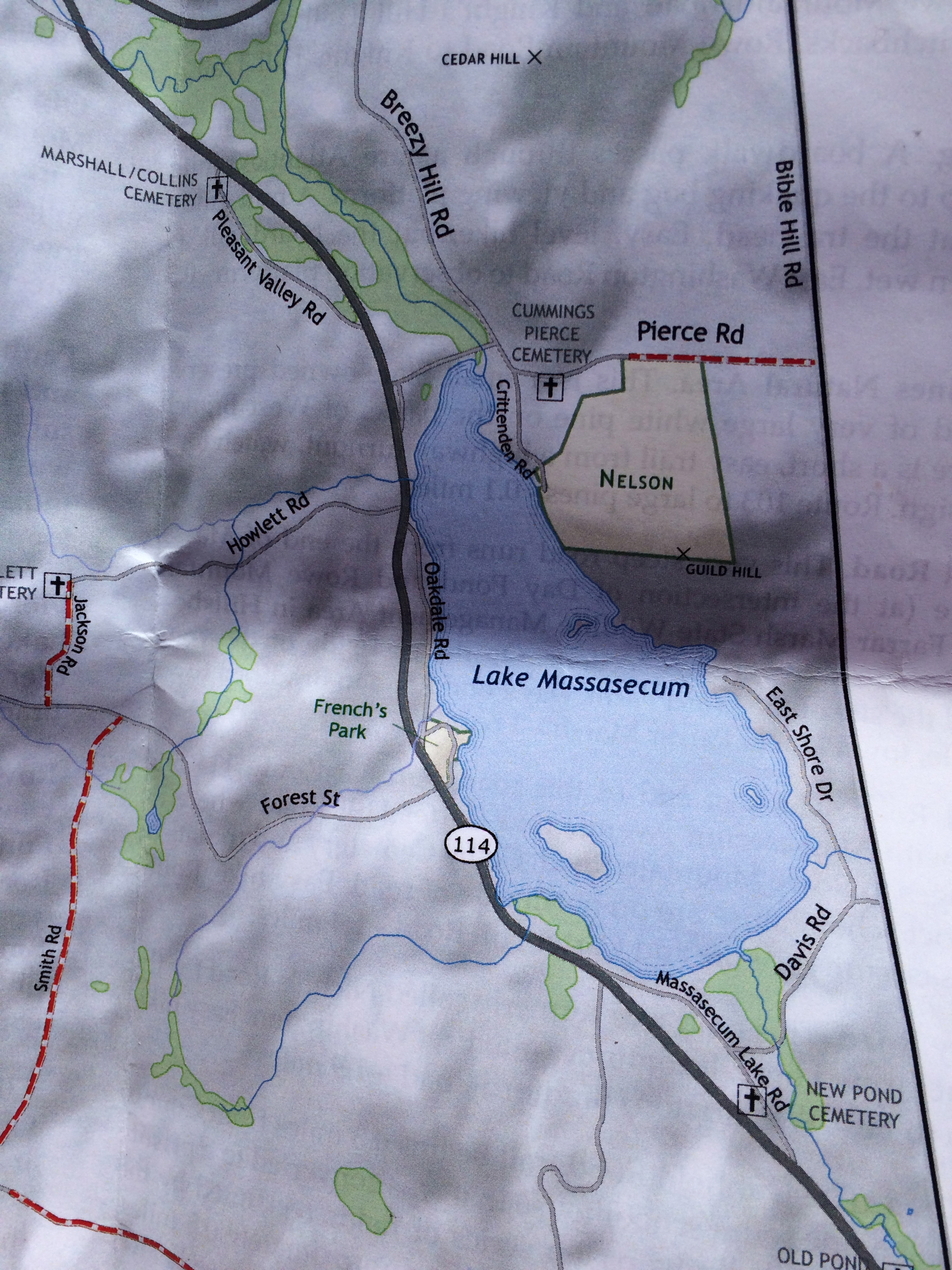
IMG_2781

IMG_2804

…and the youngest member of the troop decided it was time for a nap
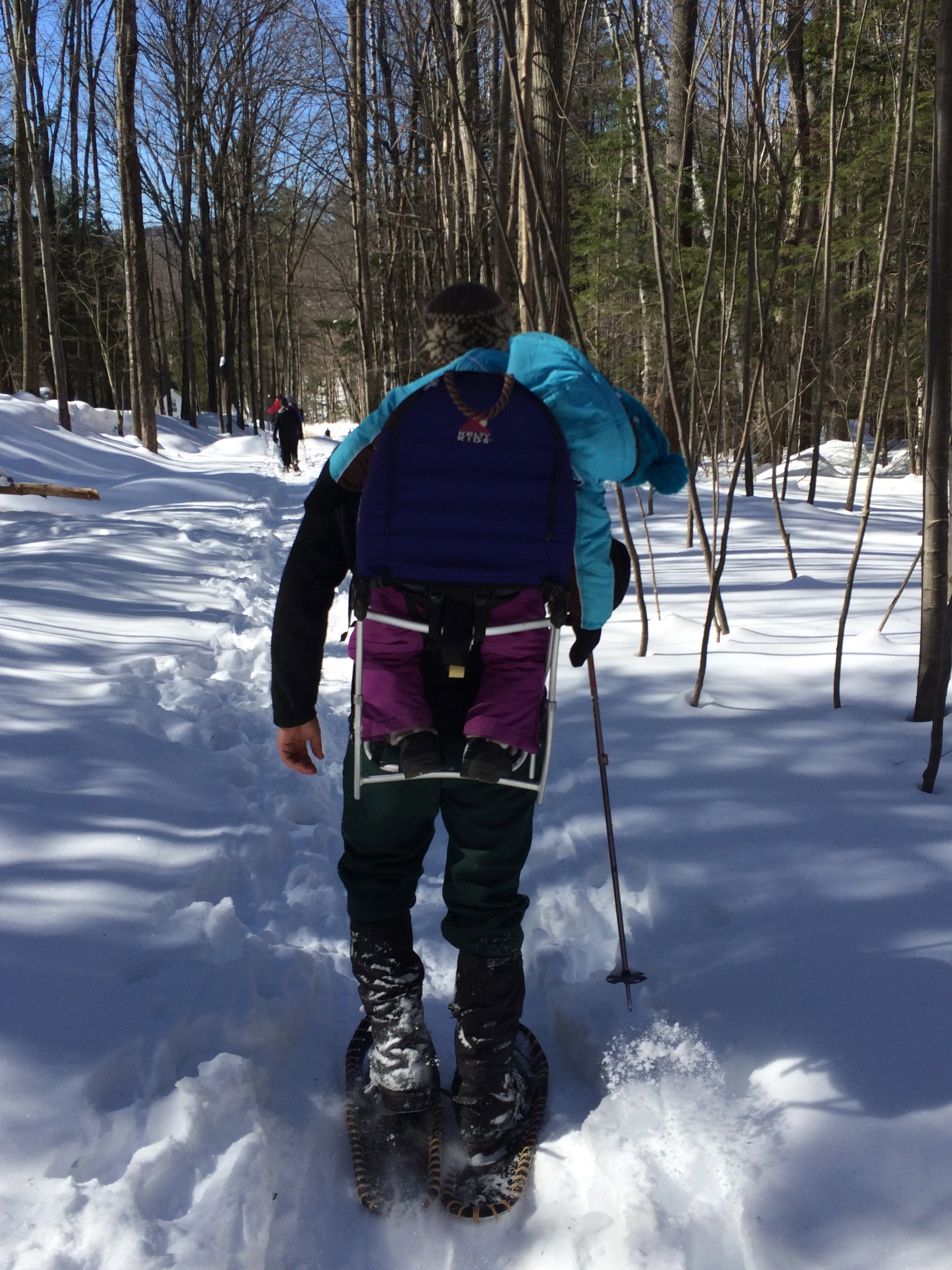
IMG_2822

IMG_2825

Carry in, carry out

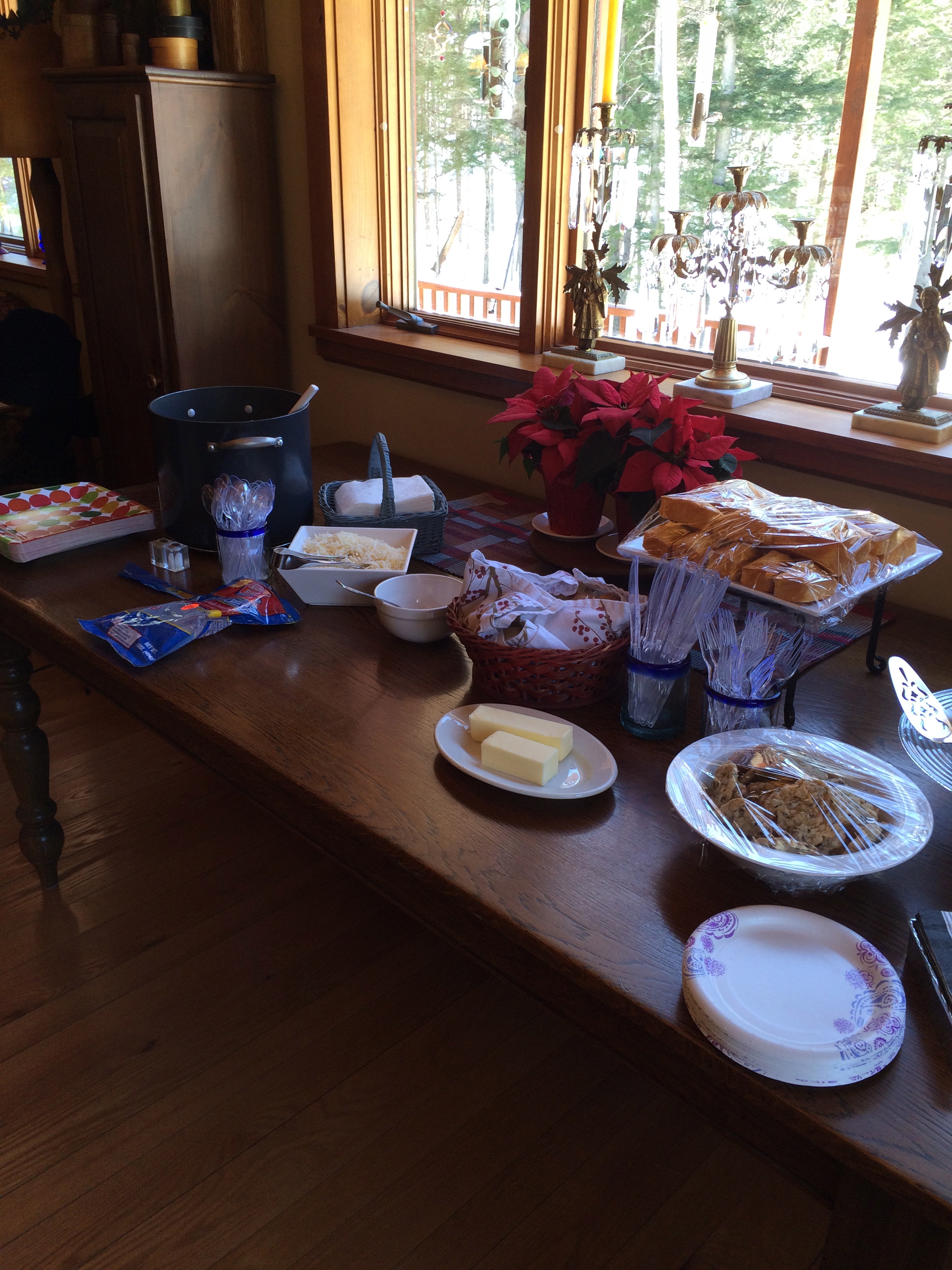
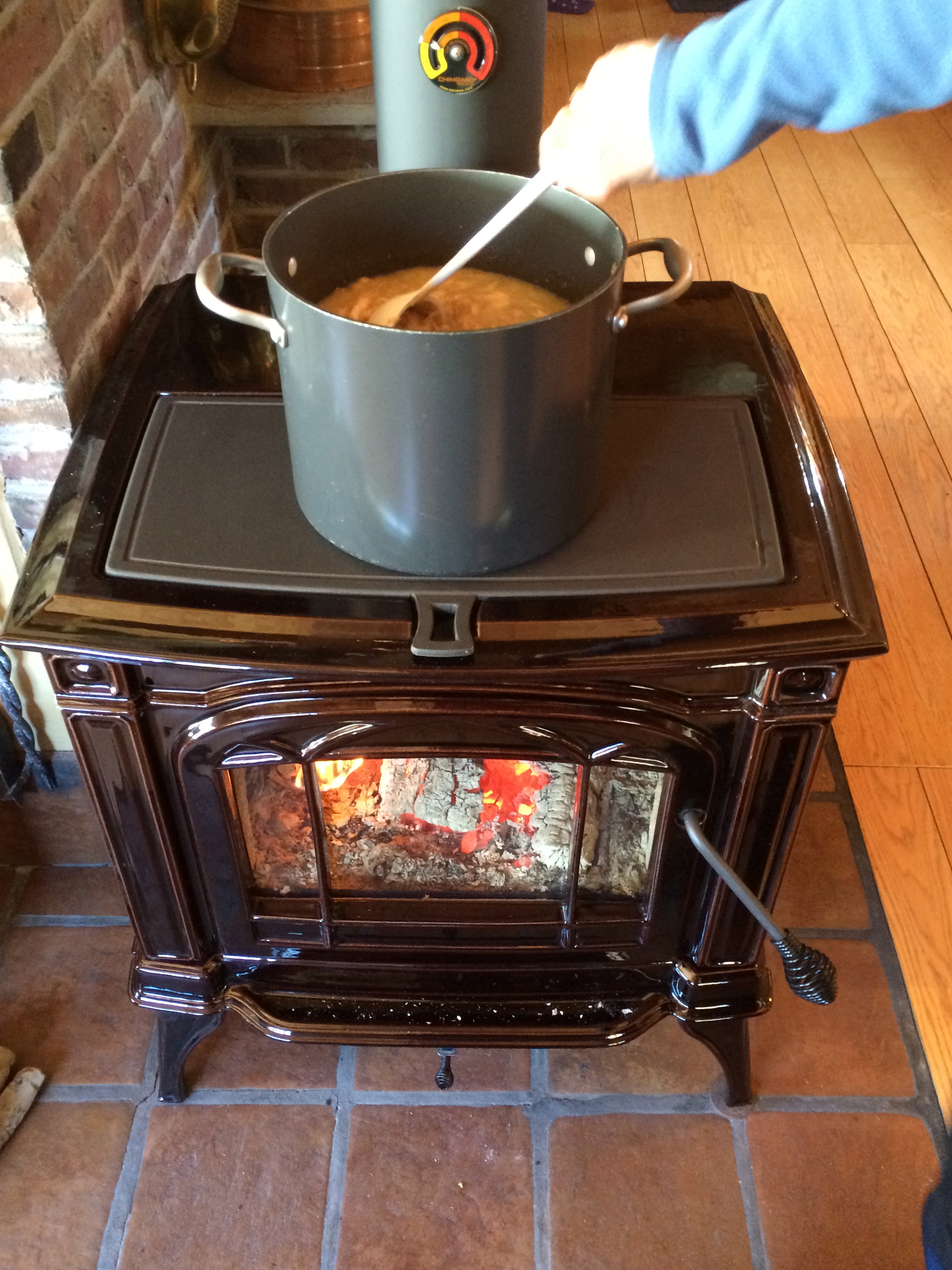
A delicious post-hike lunch was hosted by George & Kim:
IMG_2835

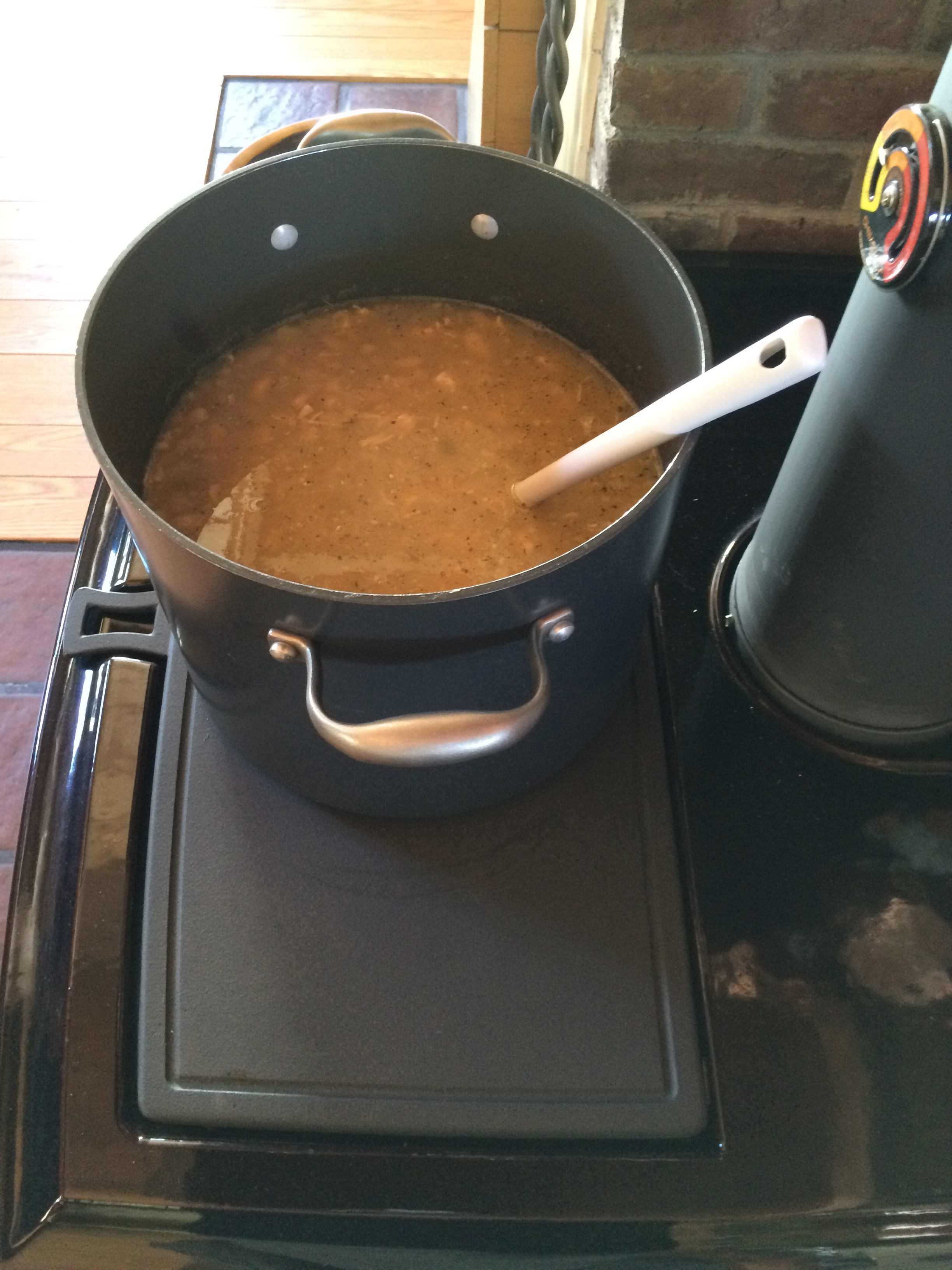
Heating up the chili

IMG_2833

IMG_2841

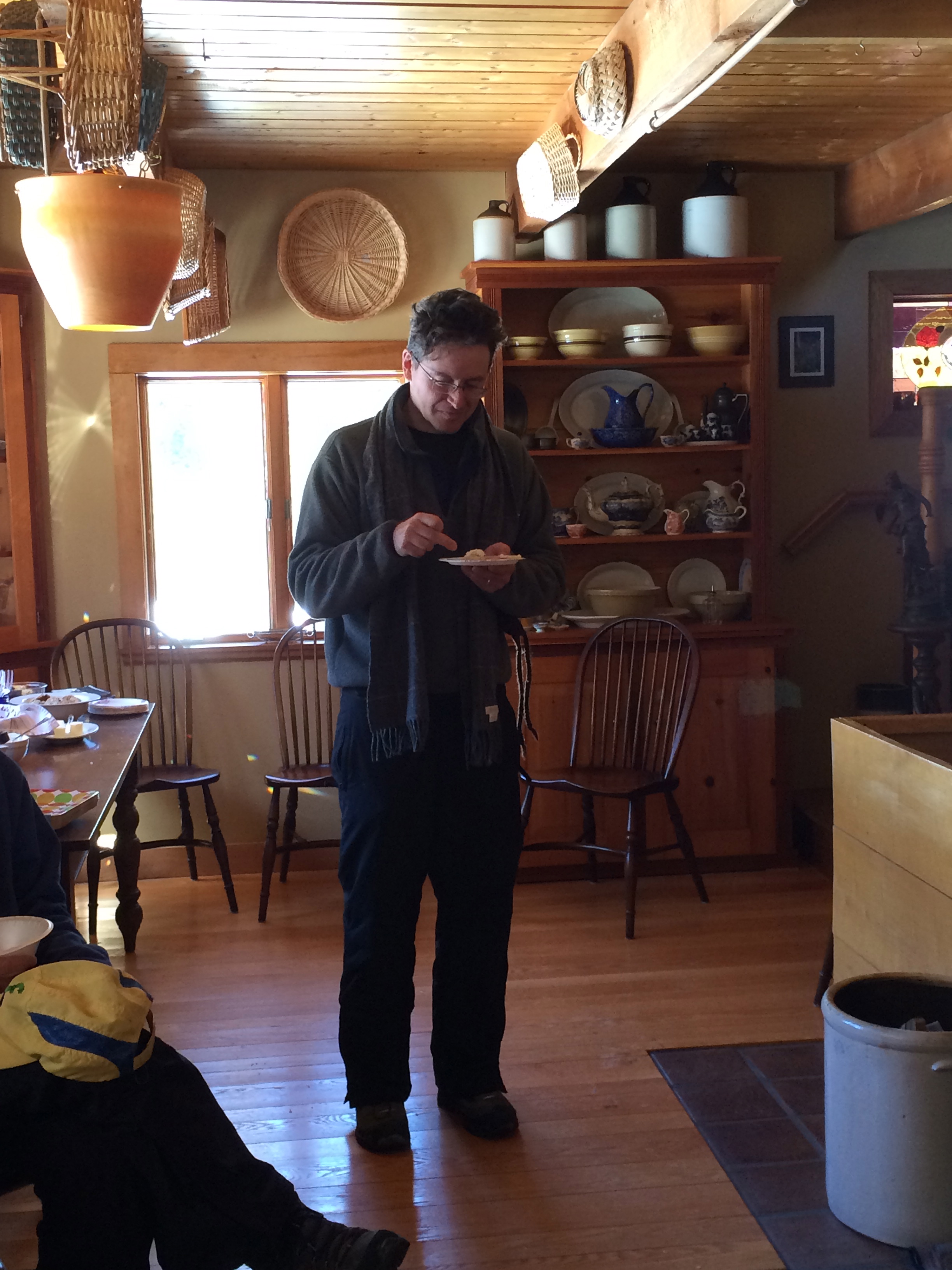
Cookies, cornbread and other goodies
IMG_2848

A happy taste tester

IMG_2846

Relaxing after the long day

An altogether glorious, winter afternoon:

IMG_3498


Related sites of interest:

Ausbon Sargent Land Preservation Trust – http://ausbonsargent.org

NH Big Tree Register – http://extension.unh.edu/Trees/NH-Big-Tree-Program
 

“THE RODALE BOOK OF COMPOSTING”

IMG_1917

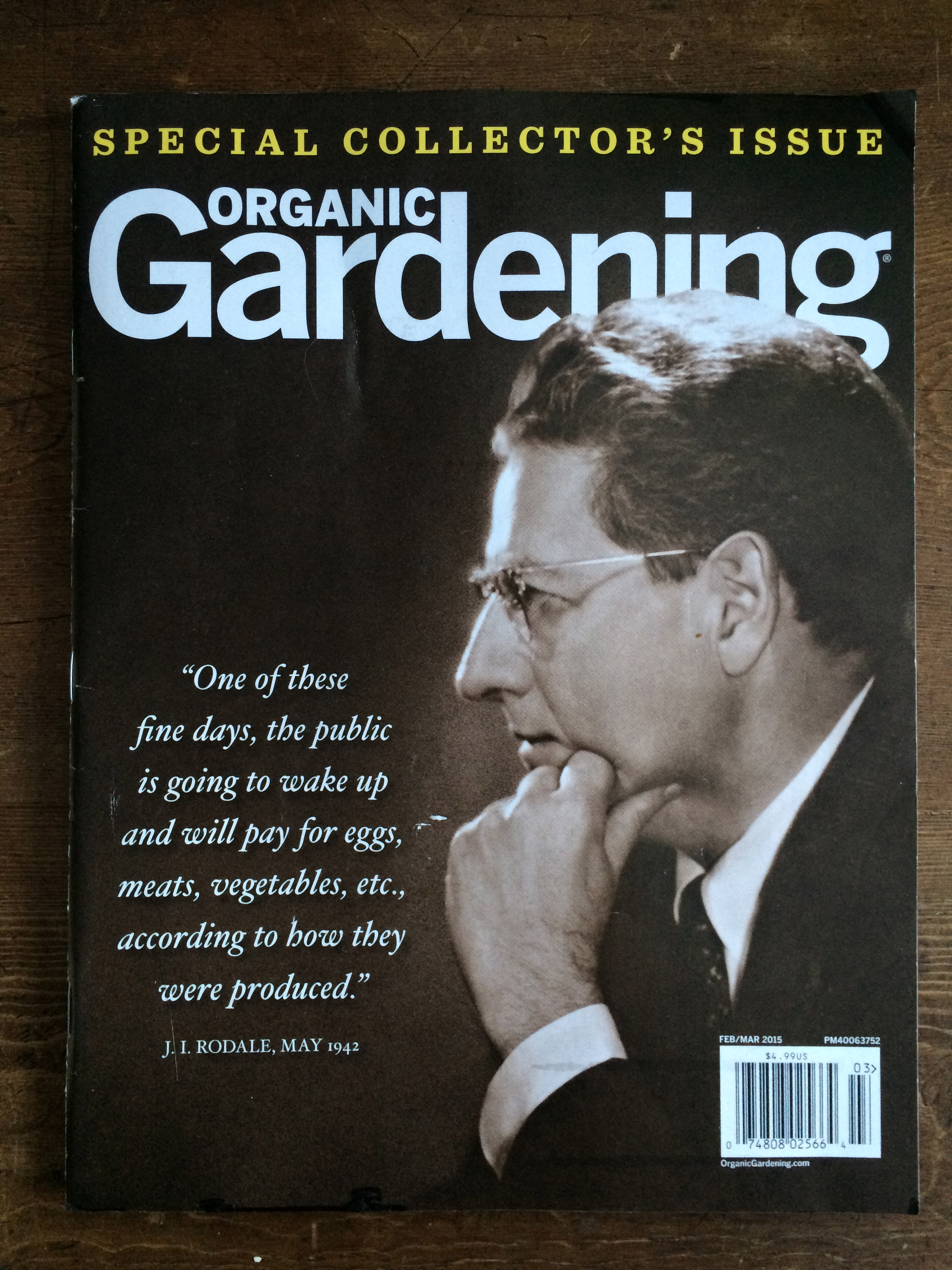
“One of these fine days, the public is going to wake up and will pay for eggs, meats, vegetables, etc., according to how they were produced.”

 – J.I. Rodale, May 1942

The prescient words of J.I. Rodale, featured on the cover of Organic Gardening’s latest issue, inspired an overdue consultation of “The Rodale Book of Composting”, a source upon which we have relied regularly for best composting practices.  Novices and experts alike will find a copious amount of useful information, which is organized for easy reference by topic.  A handy list of compost materials (everything from apple pomace to wool wastes) along with their specific virtues is covered in one particularly helpful section of the book.

IMG_1904

Well thumbed copy of the “RBOC”

As expected and given the typical NH winter, wood ash is a material that has been accumulating in our compost pile by the bucketful over the past couple of months.  In fact, we’ve rather overdone it.  Per the “RBOC”, wood ash is a valuable source of potash for the compost heap, with hardwood ashes generally containing from 1 to 10 percent potash, in addition to 35 percent calcium and 1.5 percent phosphorous.  They should however be used judiciously as it is easy to create problematic nutrient imbalances with too much application.  On the plus side, it is a strong alkalinizing agent and will increase soil salinity.  The garden with particularly acidic soil and/or potassium would benefit from a dose of wood ash but it should be applied sparingly – no more than 2 pounds per 100 square feet.

What then, to do with a growing surplus of wood ash?  A few uses, gleaned from online and other sources:

1. Can be used to unclog drains

2. As a silver polish and precious metals cleanser

3. De-skunking a pet

4. Algae control

5. Bleaching agent and/or laundry detergent

6. As a dust bath for chickens

7. Melting ice

In all likelihood, #6 will be the use of choice, as our chicken bath is running a bit low.  An adventurous Newfie (or other similarly inclined pet) makes stashing a bit away in the event of #3 a wise decision as well.

IMG_1731