INSTANT RELATIVE

IMG_4190

A conversation with a friend the other day recalled a memory from last summer that might well have remained dormant otherwise.

One meandering afternoon found me puttering around in a local antiques shop recommended by a casual acquaintance.  New Hampshire being home to some of the best and oldest antiques shops in all of New England, it’s always interesting to contemplate the past, possible uses for many of the obscure, now obsolete objects one comes across.  It’s also a bit of an adventure to hunt for some as-yet, undiscovered treasure.

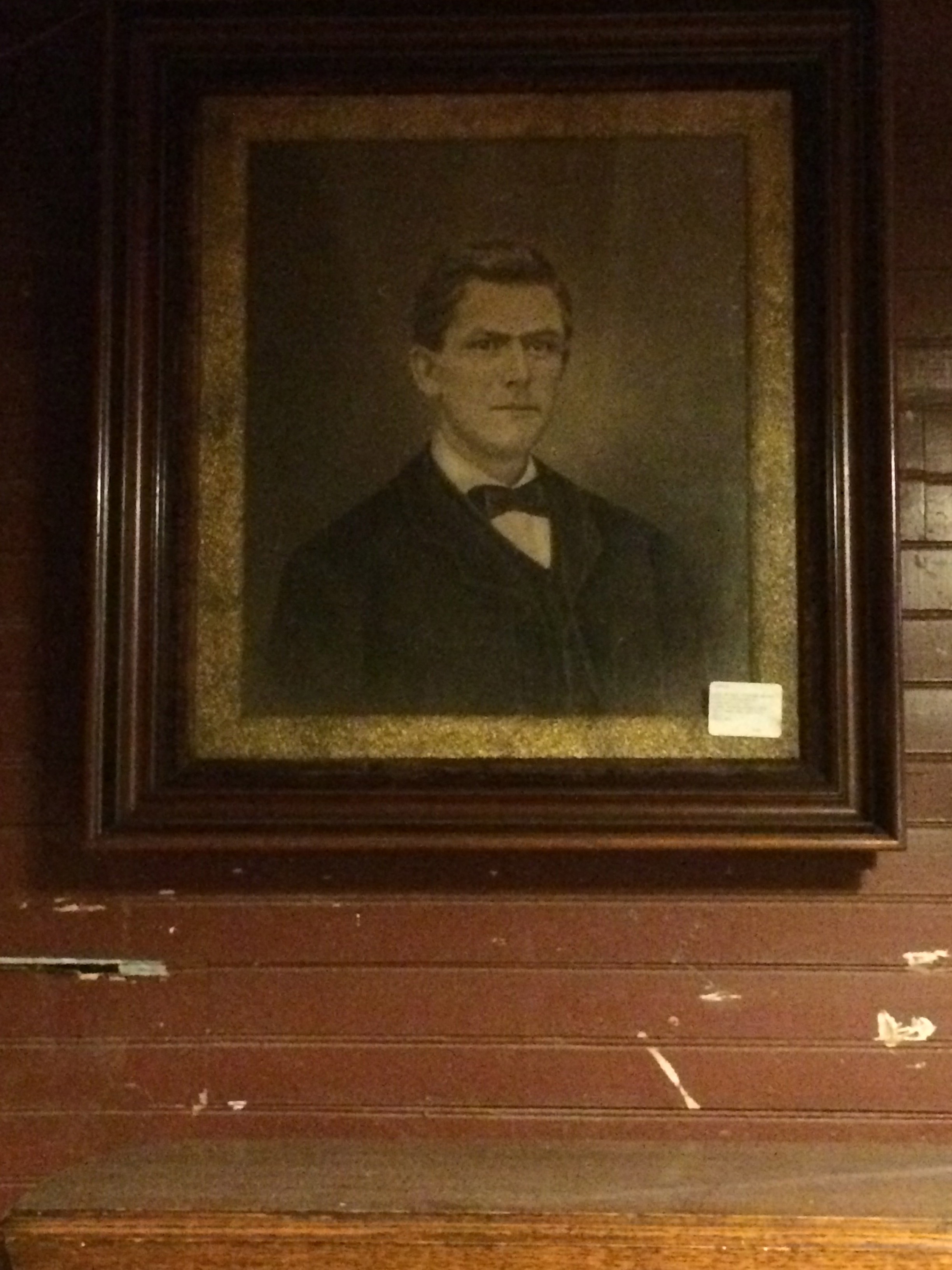
On this particular afternoon, I happened to stumble upon the thoughtful looking portrait above and inevitably found myself wondering who it might have been.  Further, I wondered who might have use for it now and found it a bit depressing that it had fallen out of the hands of both family and friends, only to be impersonally discarded in a commercial shop.

I took a closer look at the tag in the lower right hand corner of the frame.

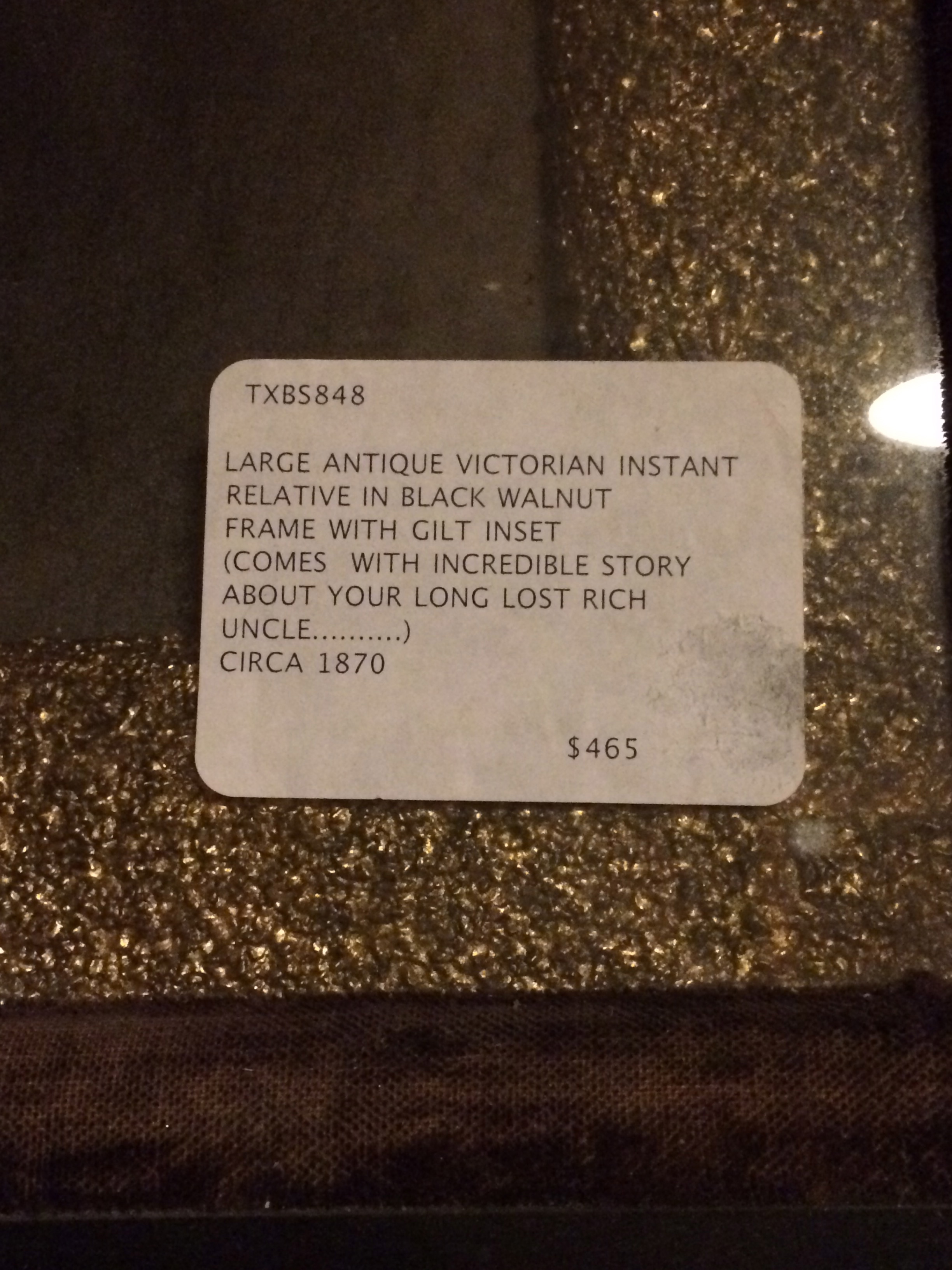
And saw this:
IMG_4187

Chuckling in spite of myself, the picture of a bored clerk attempting to insert a bit of comic value into what was essentially an unsellable item came immediately to mind.  The shop manager, noting my apparent interest, wandered over to make an introduction.  I good-naturedly commented on the clever tag, right down to the ridiculously random $465 asking price.  Looking more than serious, she assured me that in fact this sort of thing was quite popular, and that indeed such “instant relatives” were currently very much in vogue.

Still feeling sure that the whole thing must be a gag,  I laughed in response, though this time a bit of uncertainty on my part insinuated itself into the situation.  By no means am I an expert in the world of antiques.  I merely know what appeals to me when I see it and being naturally curious, make every attempt to learn as much as possible about the things I appreciate and admire.  But this was too much to be believed.

After much to and fro about the matter, it became distressingly clear that the manager was speaking in earnest.  The portrait on display was in fact being marketed for the express purpose of deception.  This rather disturbing revelation brought about yet further questions.  The entire premise of such a purchase extended far beyond the occasional, innocuous white lie, wading treacherously into the dark waters of pathology. How to keep such an elaborate ruse going  – especially amongst close friends and family?  Would the portrait necessitate hurried banishment to a remote corner of the house upon the arrival of some unexpected, incredulous visitor?  Would some people have to be let in on the sham, while others were kept in the dark?  It all seemed completely bizarre and far too much trouble to go to.  I left the shop totally bewildered and had all but forgotten about the incident until the previously mentioned chance conversation brought it to mind.

Feeling perhaps a bit morbidly curious, inspiration struck earlier today to revisit that old antiques shop, despite the promise I’d made myself never to return.  An overwhelming desire to know what became of the old portrait had suddenly taken hold.   I walked into the shop and there is was – in precisely the same spot that it occupied nearly a year ago – though a slightly thicker layer of dust looked to have accumulated since then.  Immensely heartened, I turned to leave, having satisfied my curiosity.  So “instant relatives” are all the rage, are they? Stuff and nonsense! I hold to my original “comic value” theory.
 

MAPLE SUGARING

IMG_4152

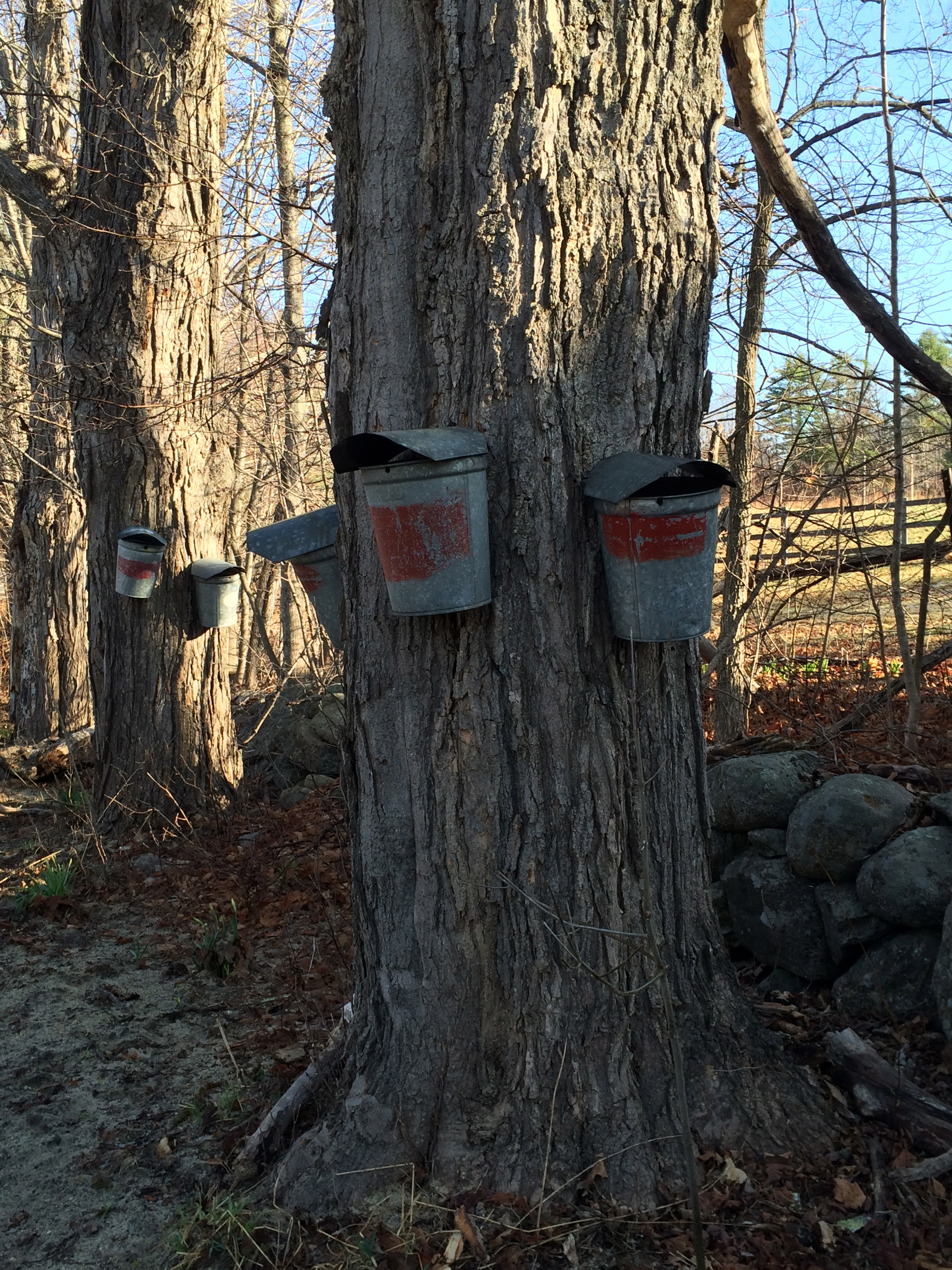
Maple sap pails – a welcome sign of spring.

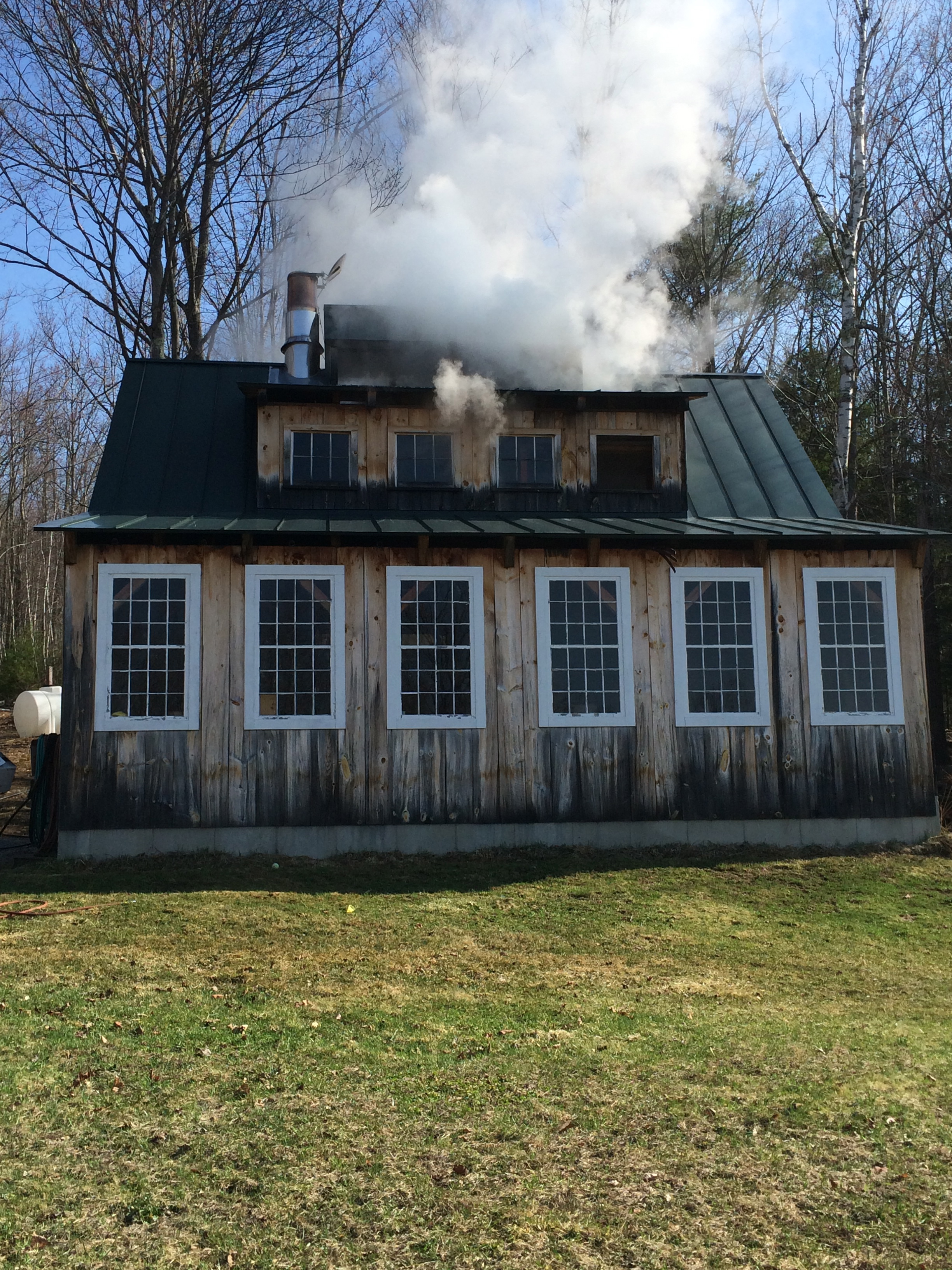
Sugaring season in NH runs from roughly mid-February to mid-April, depending on the weather. Below freezing nights and warm sunny days (generally up to 45 degrees F) create the pressure needed for a good harvest, as the sap runs best under these conditions.

Each year, our friends at Stoneridge Farm include a bottle of eagerly anticipated, fresh maple syrup in one of their weekly CSA shares.  The long wait through the winter makes the first bottle of the season even more precious.  A recent visit to the sugar house was an interesting learning experience, and offered an in depth view of the process:

IMG_3967

The sugar house

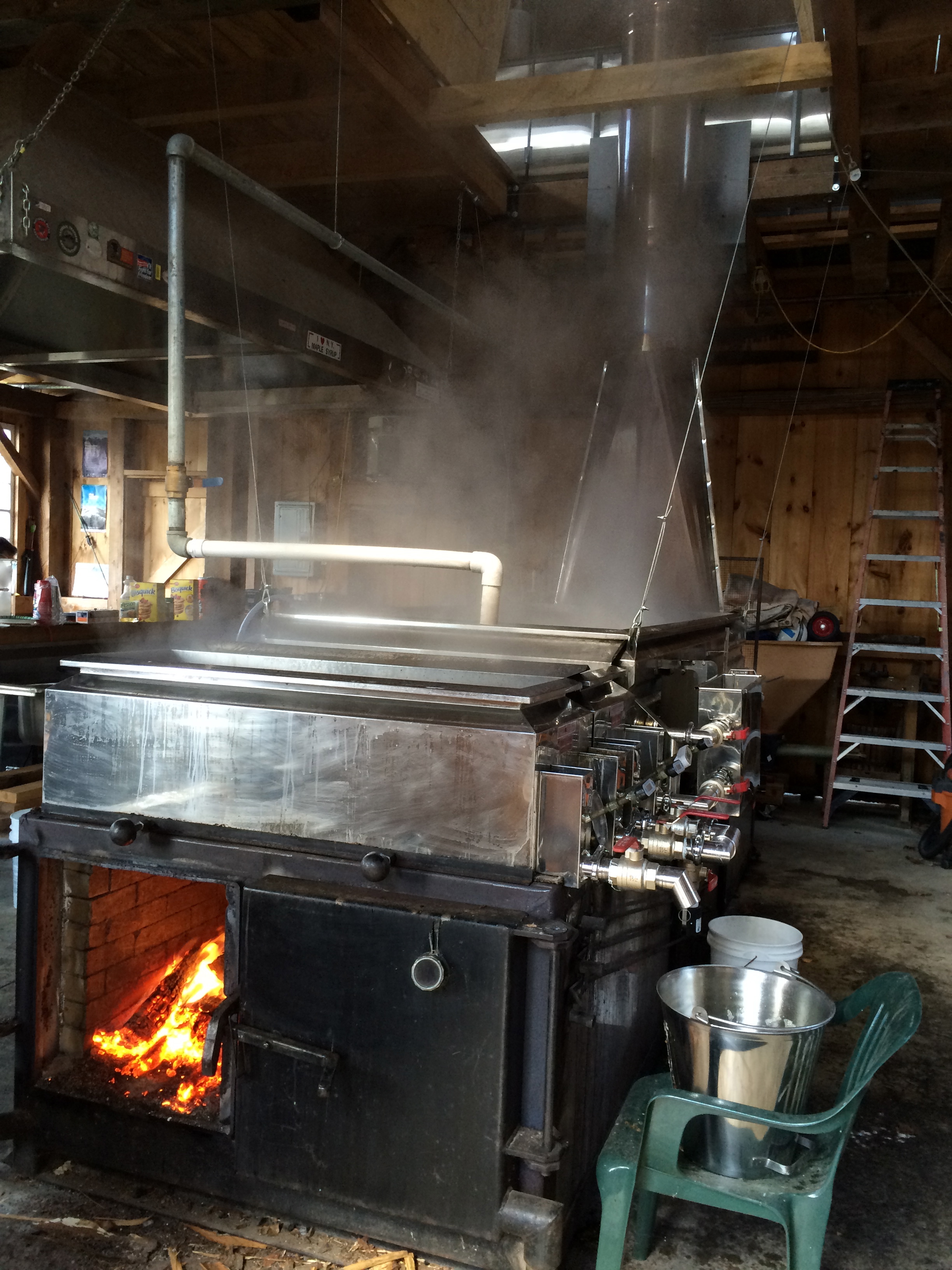
Sap is collected and boiled down in this wood fired evaporator:

IMG_4094

Roughly 200 gallons of sap are boiled off per hour.

IMG_3975

This particular tank holds up to 1,000 gallons.

IMG_3976

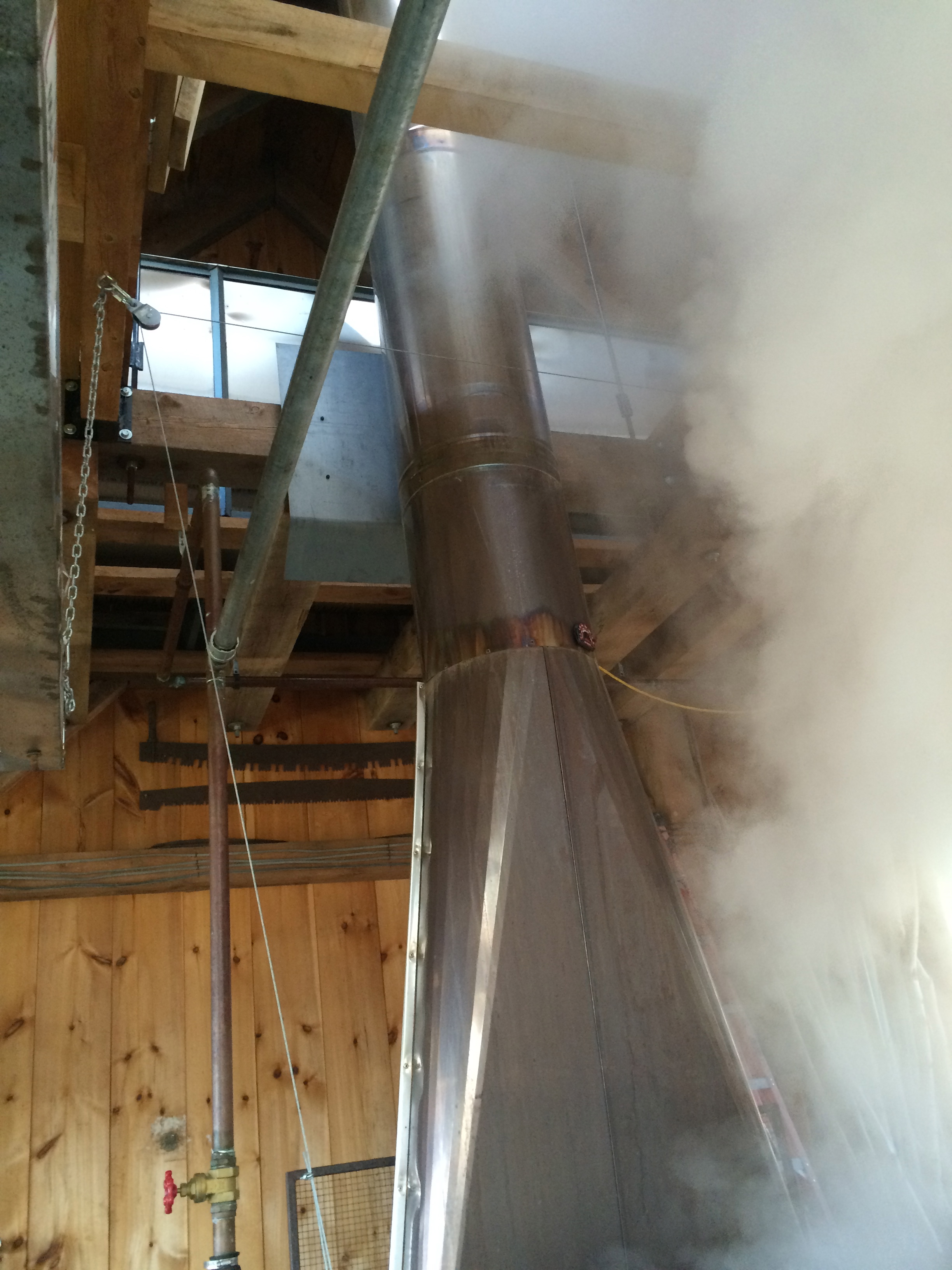
Steam rising from the evaporator pan

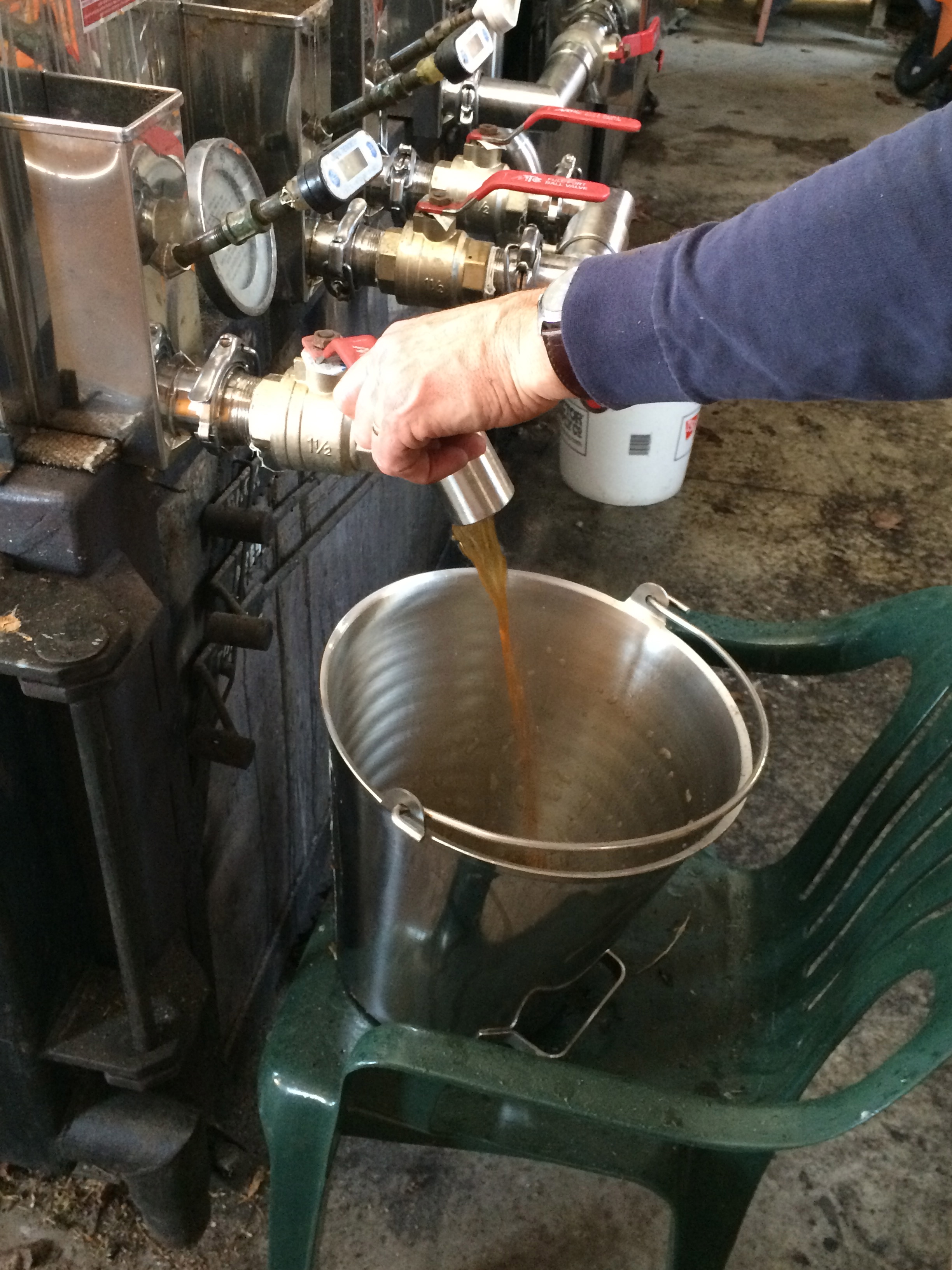
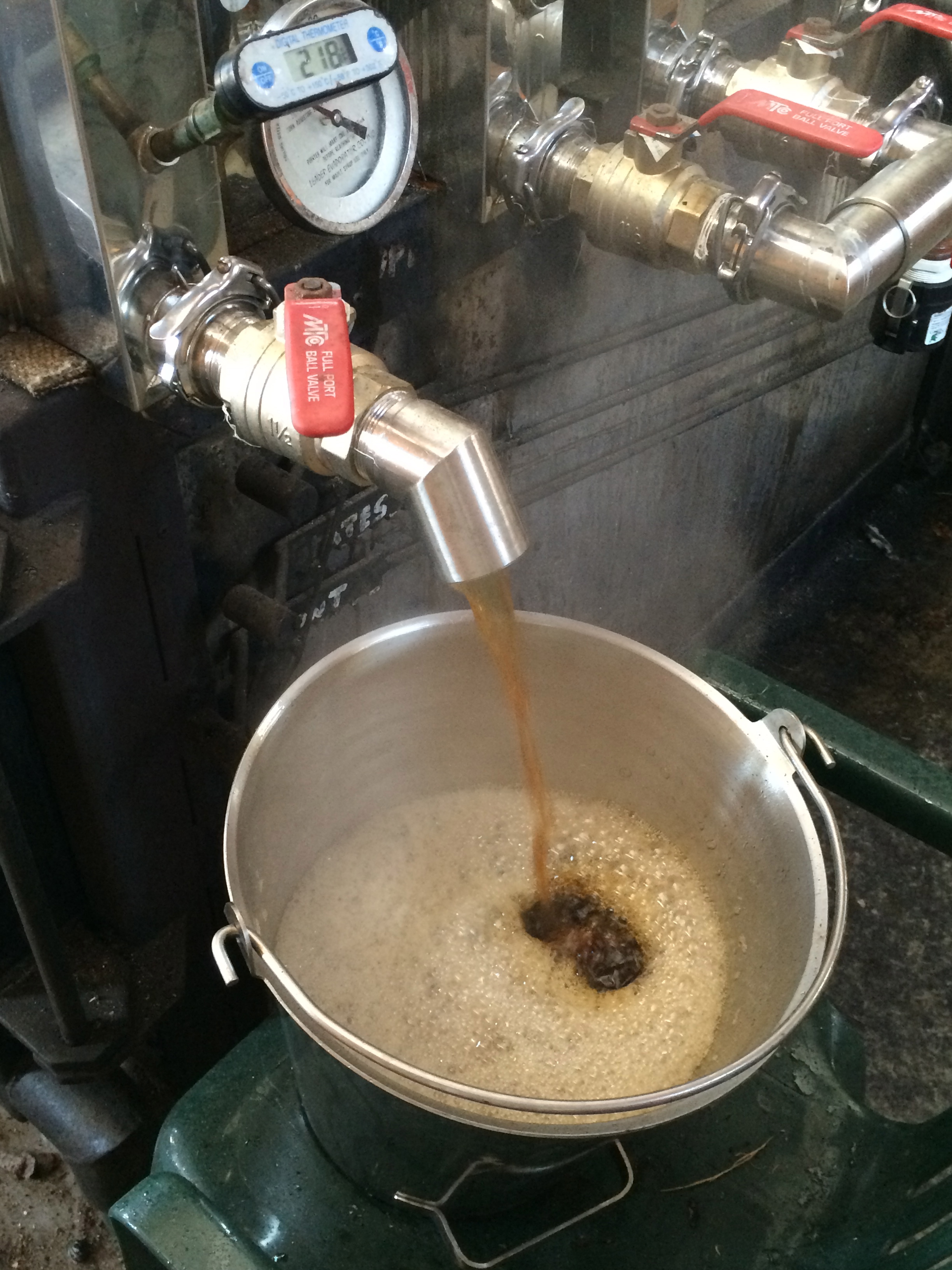
After water and other sediment is boiled off, the sap is concentrated until it reaches the proper density:

IMG_4005

IMG_4012

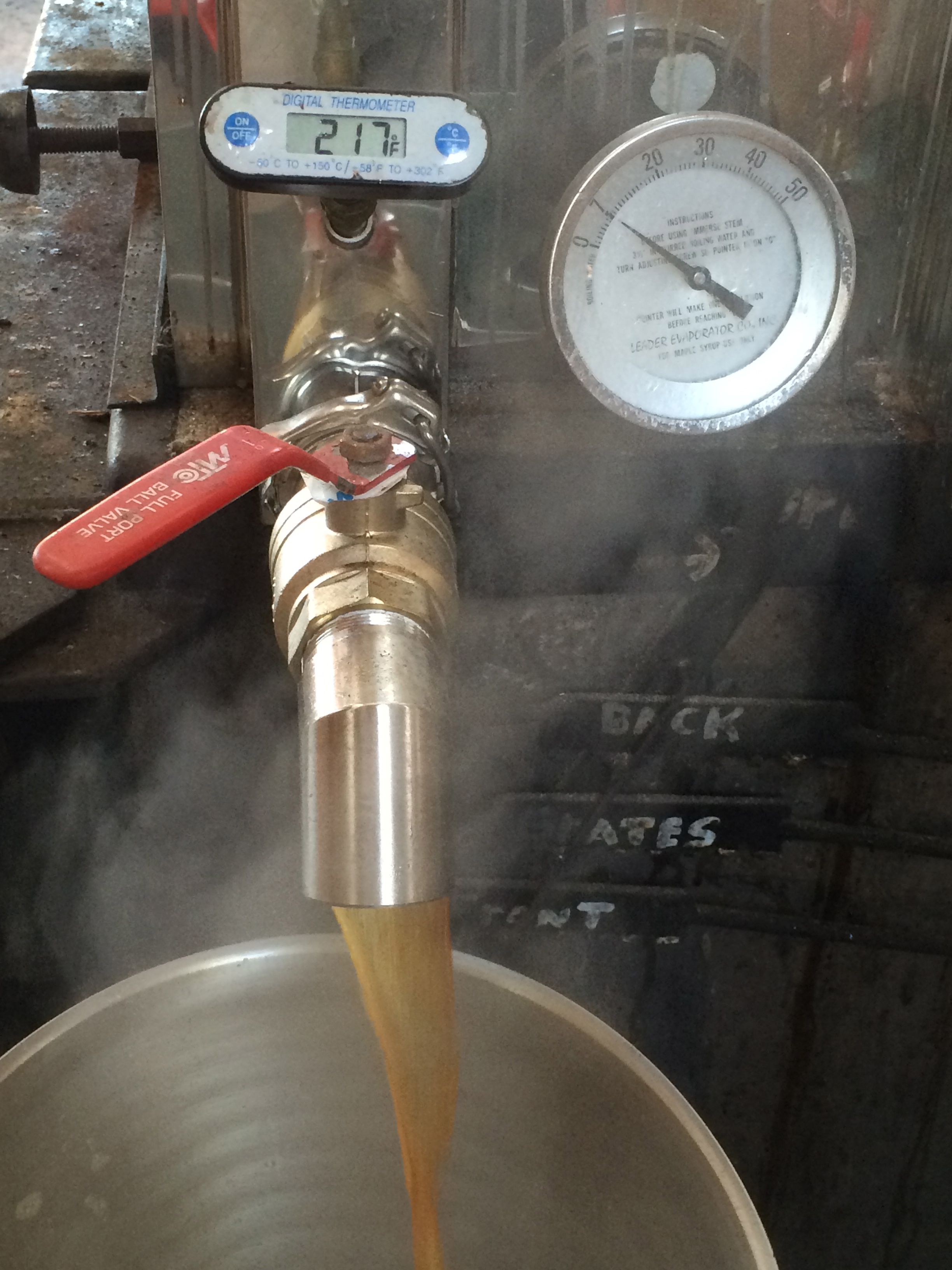
The syrup is ready at 7 degrees above boiling point, which varies daily depending on weather and atmospheric pressure.

IMG_4008

Transferring to a finishing pan to fine tune sugar content:

IMG_4105

Finishing panIMG_4103

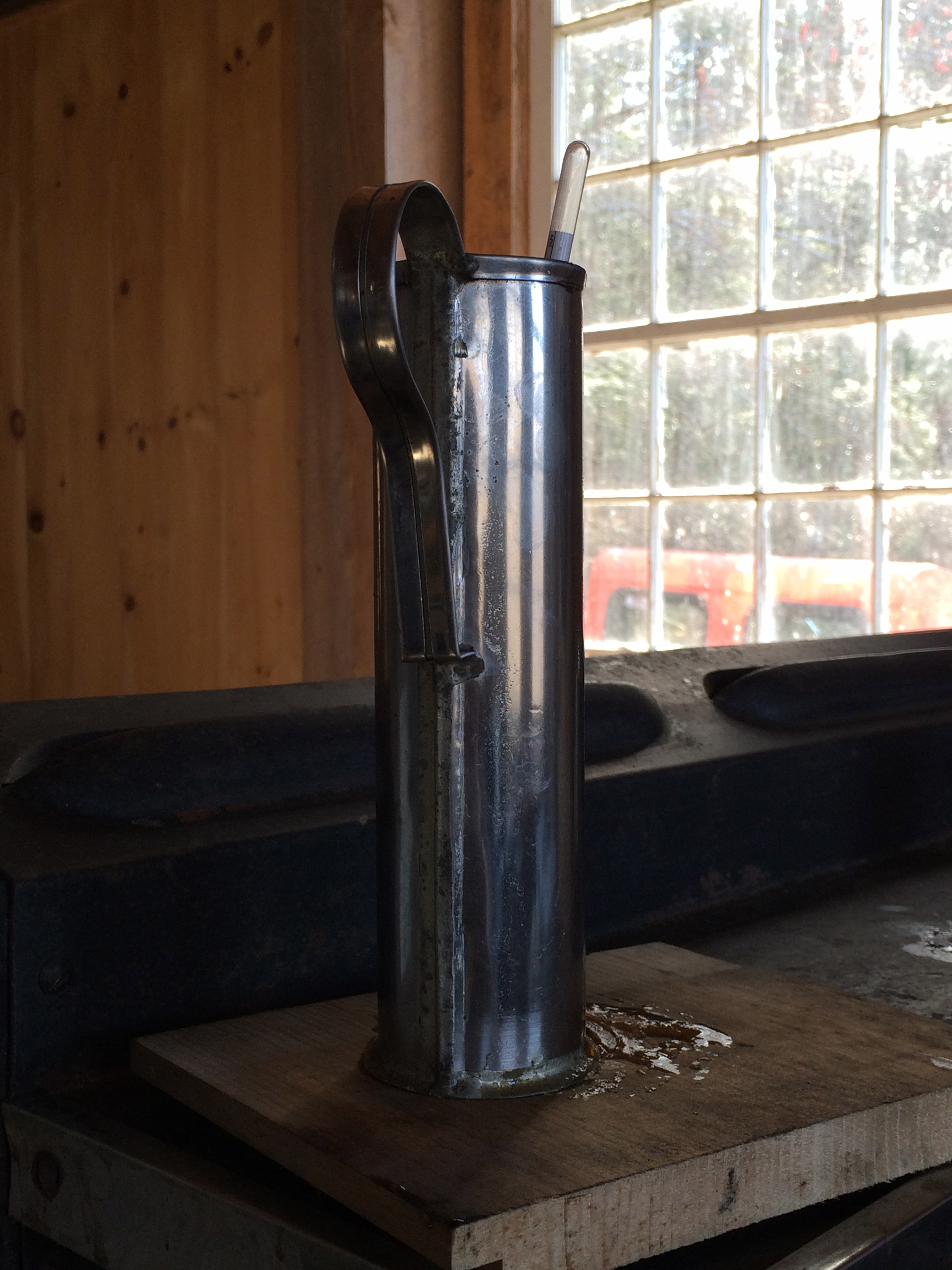
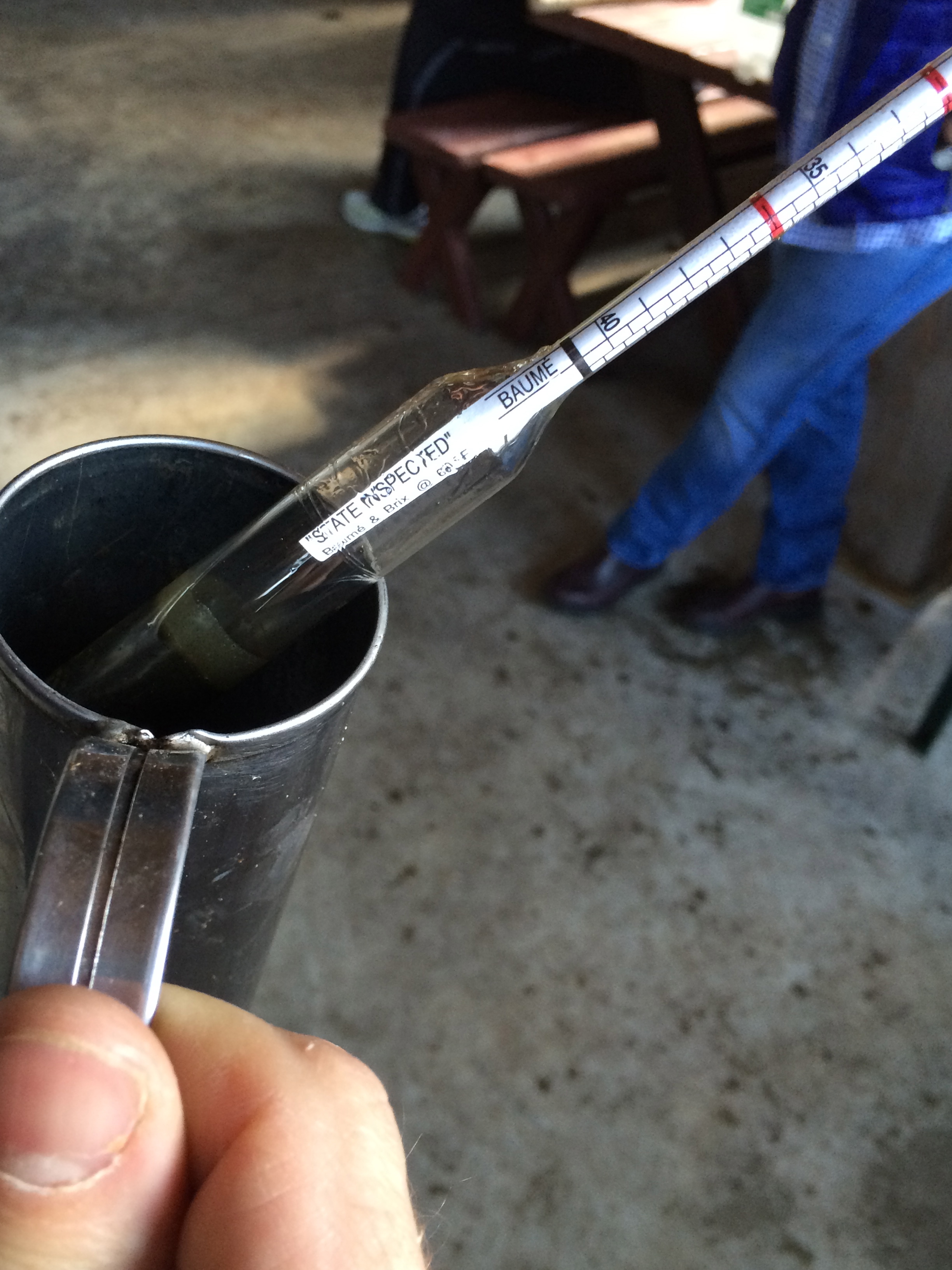
A Baume (Bé°)/Brix (°Bx) hydrometer is used to determine sugar content and density:

IMG_4035

Brix measures the sugar content of an aqueous solution while Baume measures its density.
IMG_4079

Checking a batch sample

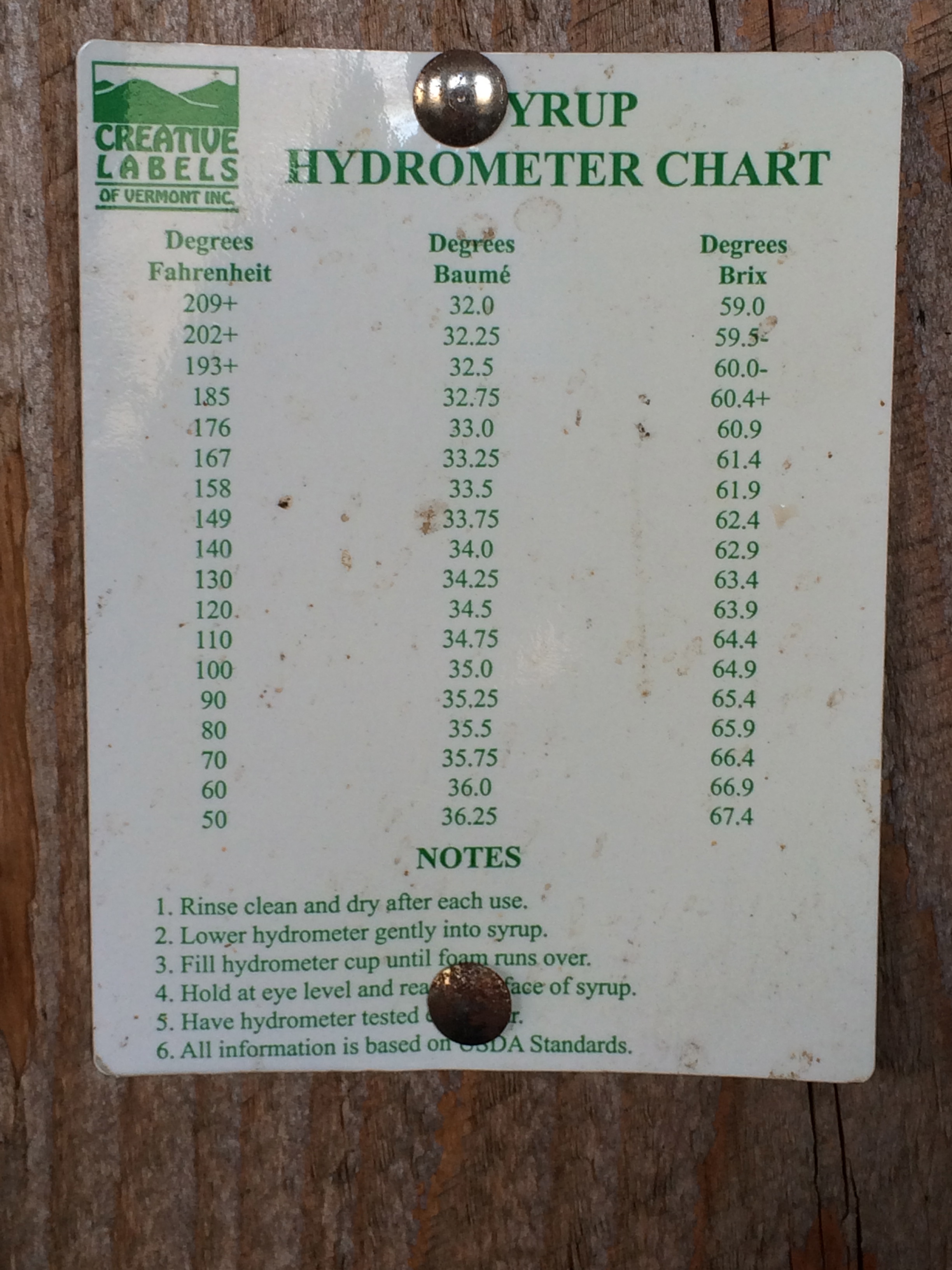
Strictly speaking, though the temperature at which sap becomes syrup changes depending upon barometric pressure and elevation from sea level, the density is constant at a given temperature.  (Ex. – syrup will always be 32 degrees Baume, at 211 degrees F.  However, as temperature changes so does the density.)
A hydrometer chart is key, as it includes the proper temperature conversions for the Baume scale:

IMG_4081

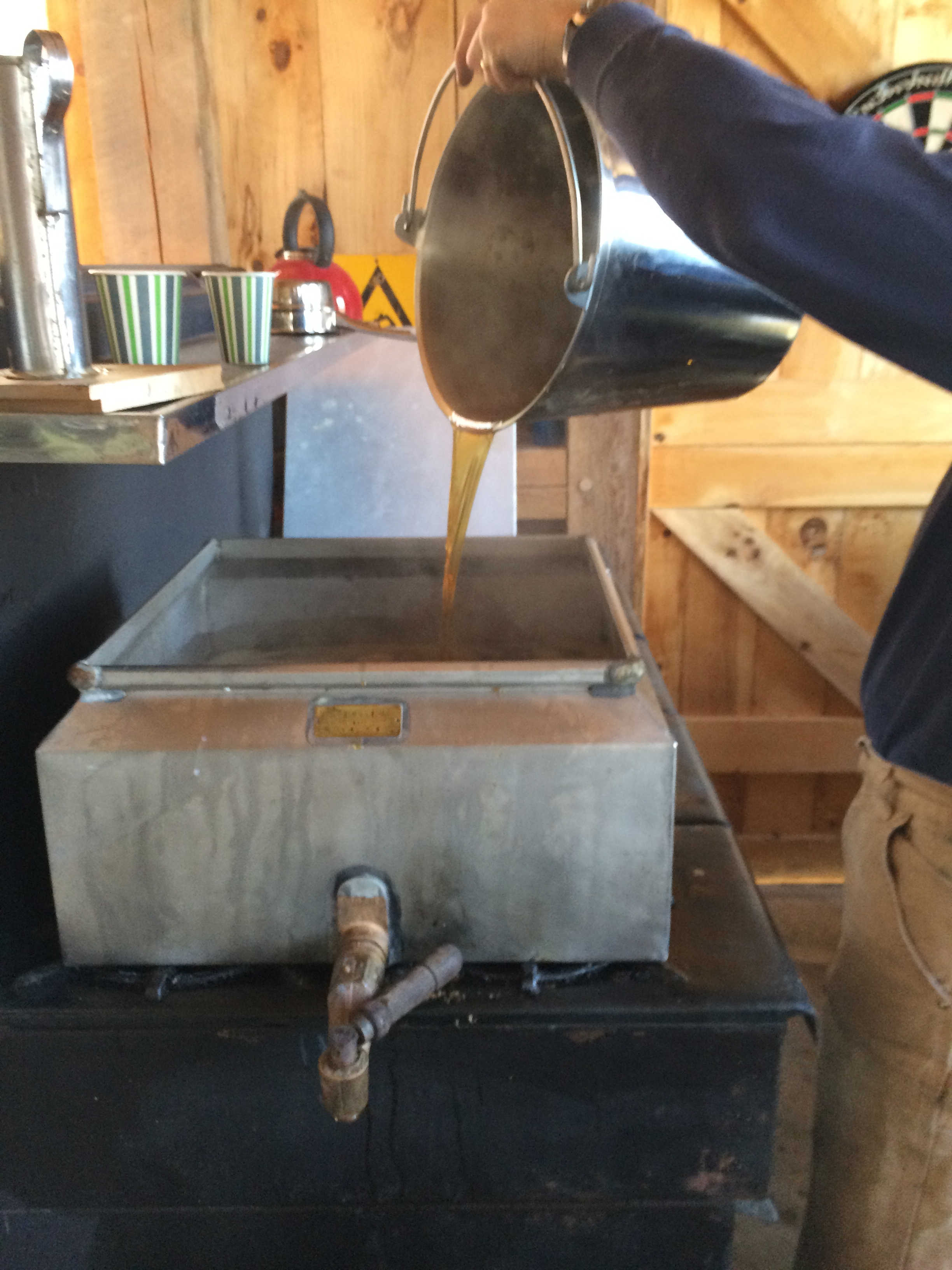
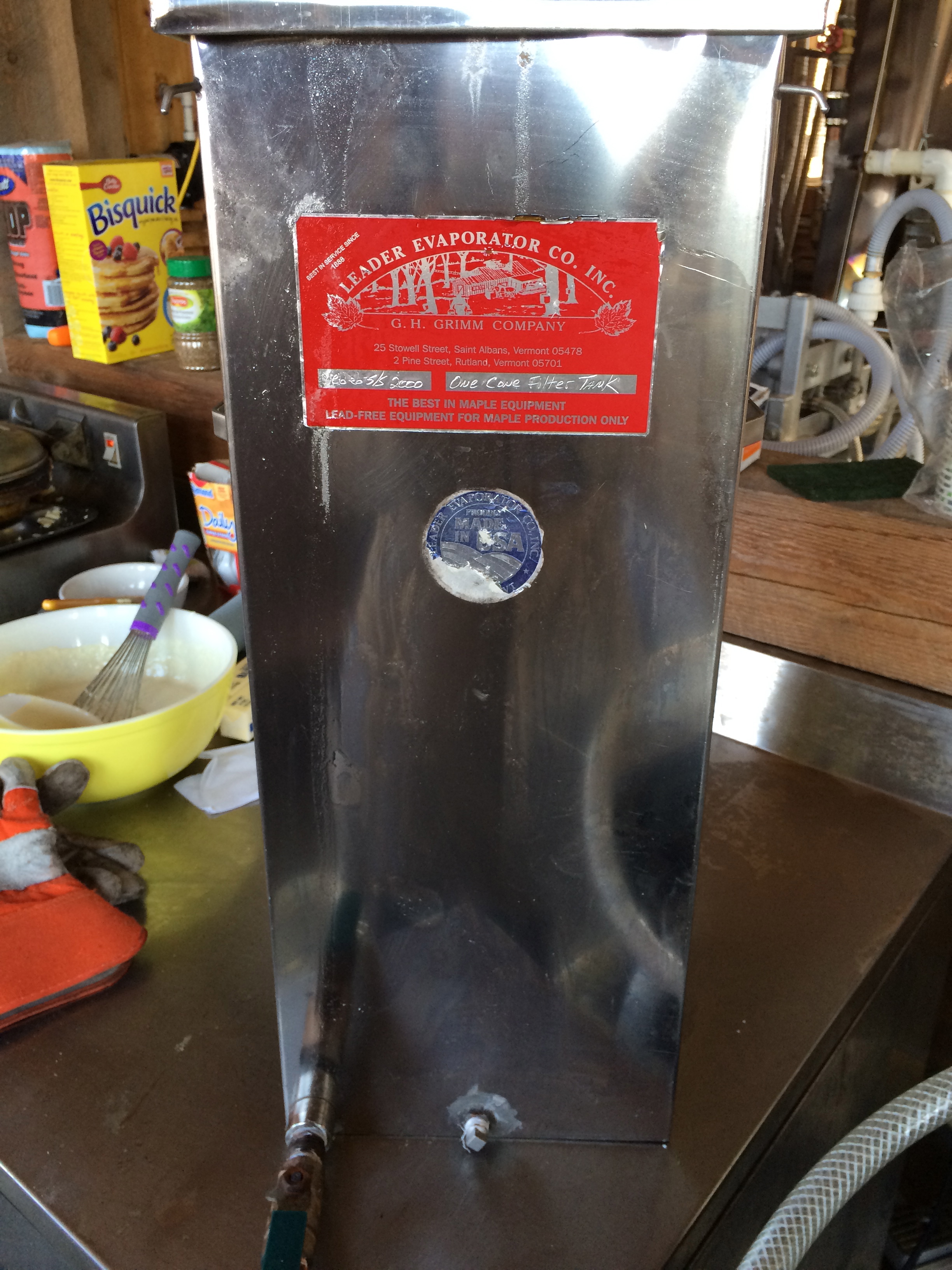
Filtration is the final step in the process:

IMG_4019

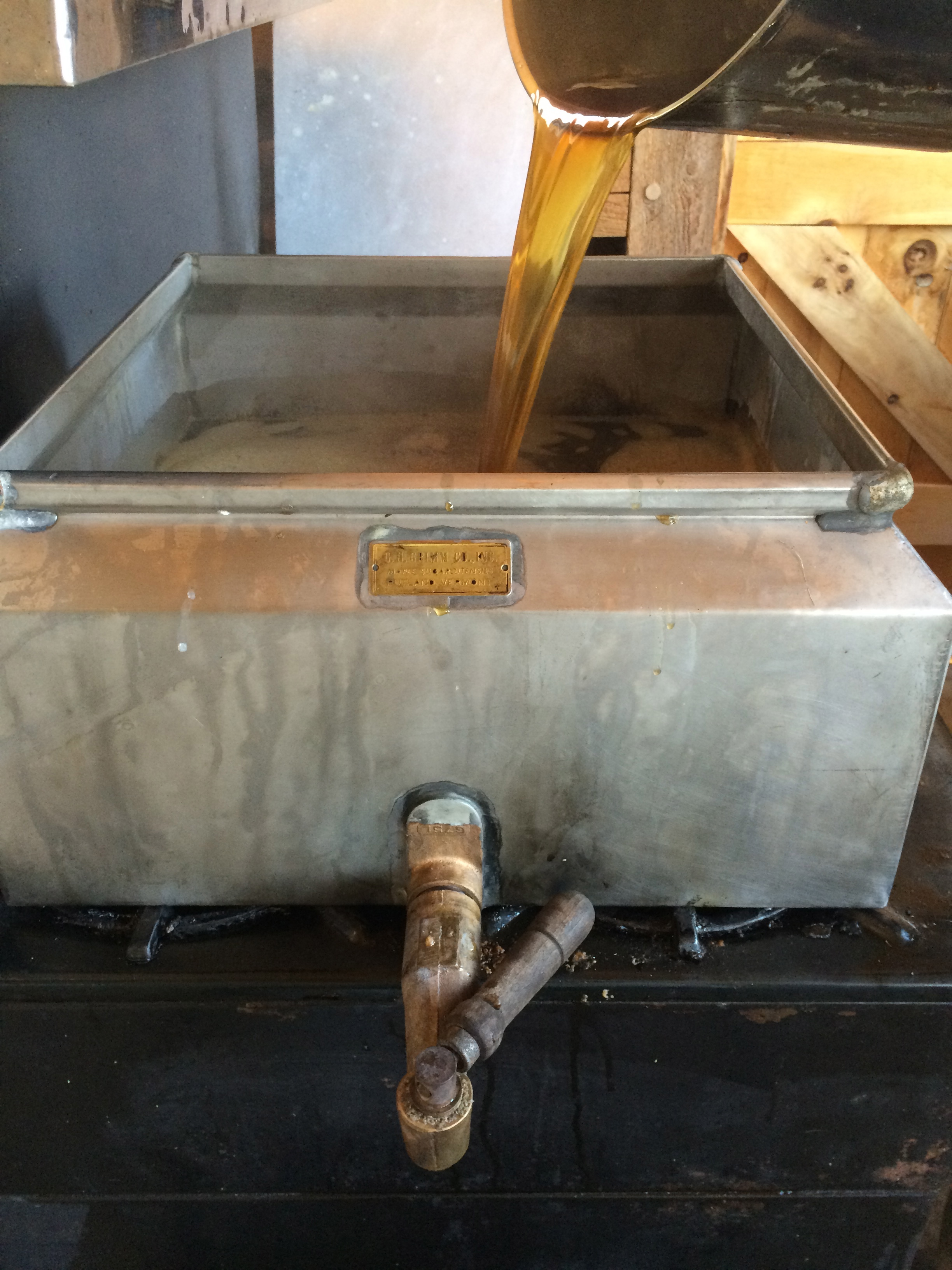
Filter tank

IMG_4016

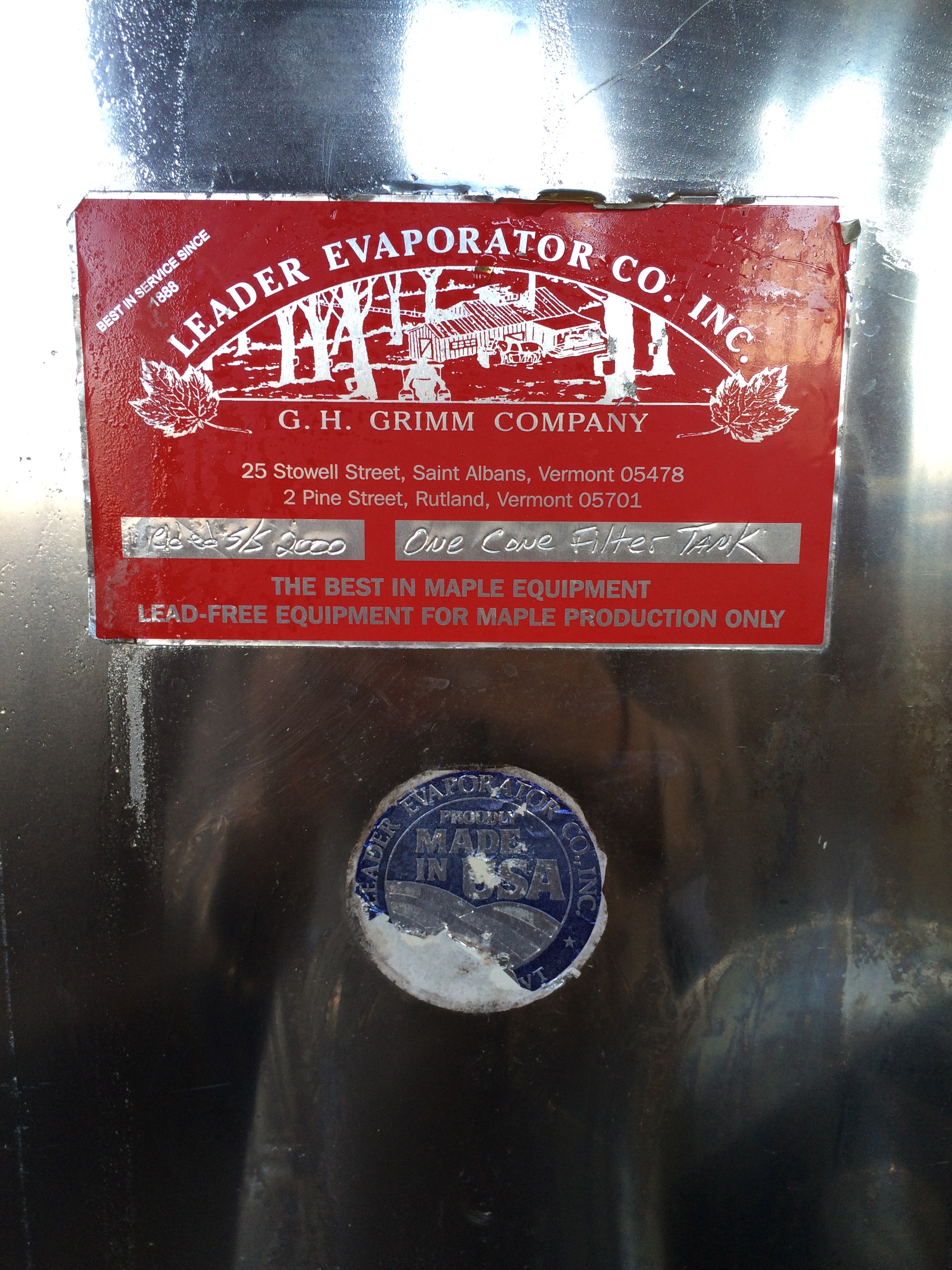
G.H. Grimm Company – formerly of Rutland, VT

IMG_3985

A filter press transfers the final product to a lined pan.

The filtration process takes about 15 minutes using this equipment.  There is plenty to do during the wait:

IMG_4069

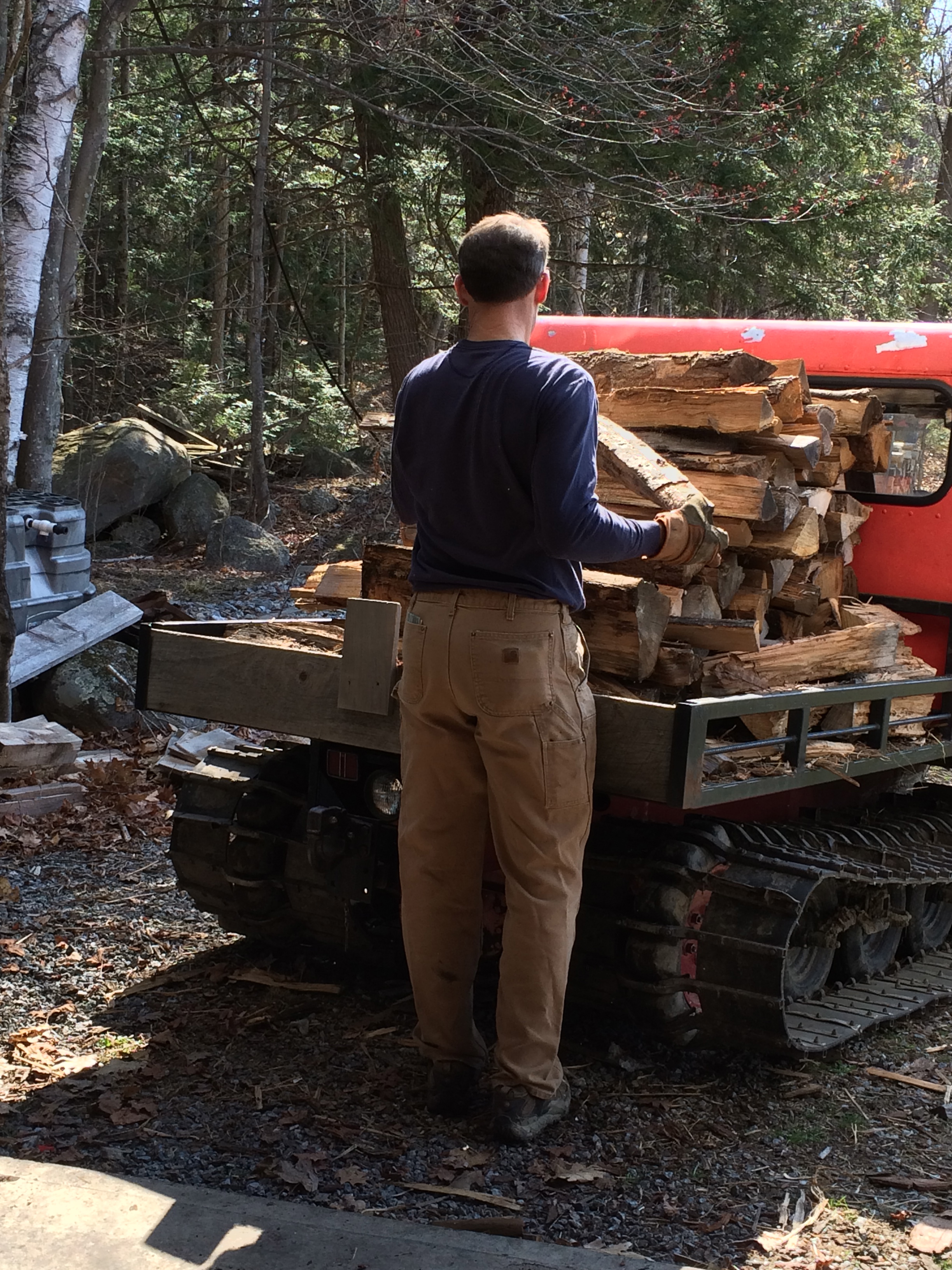
Replenishing the wood stove

IMG_4070

IMG_3987

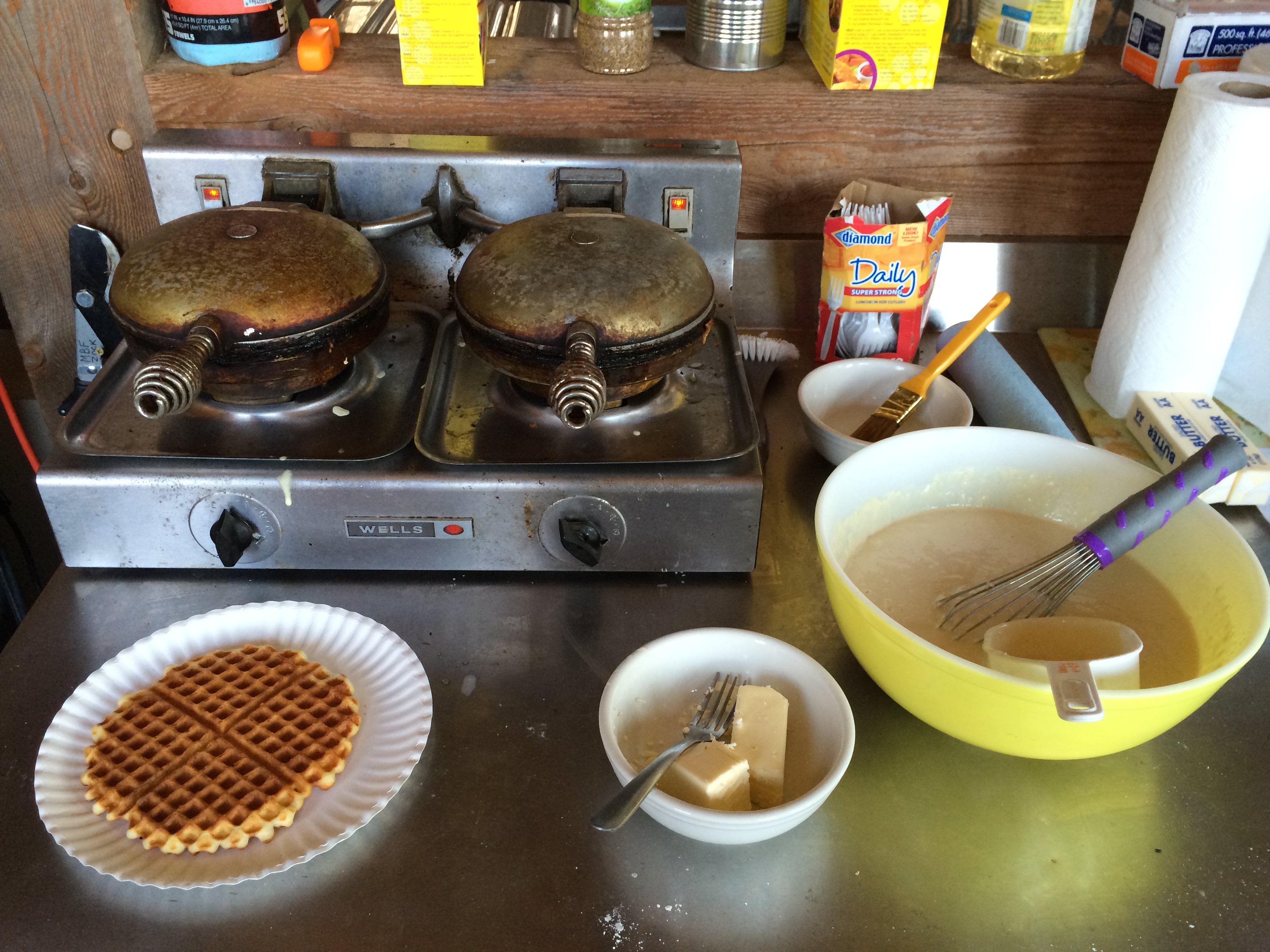
Preparing waffles

IMG_4059

IMG_4064

Admiring the view

IMG_4003

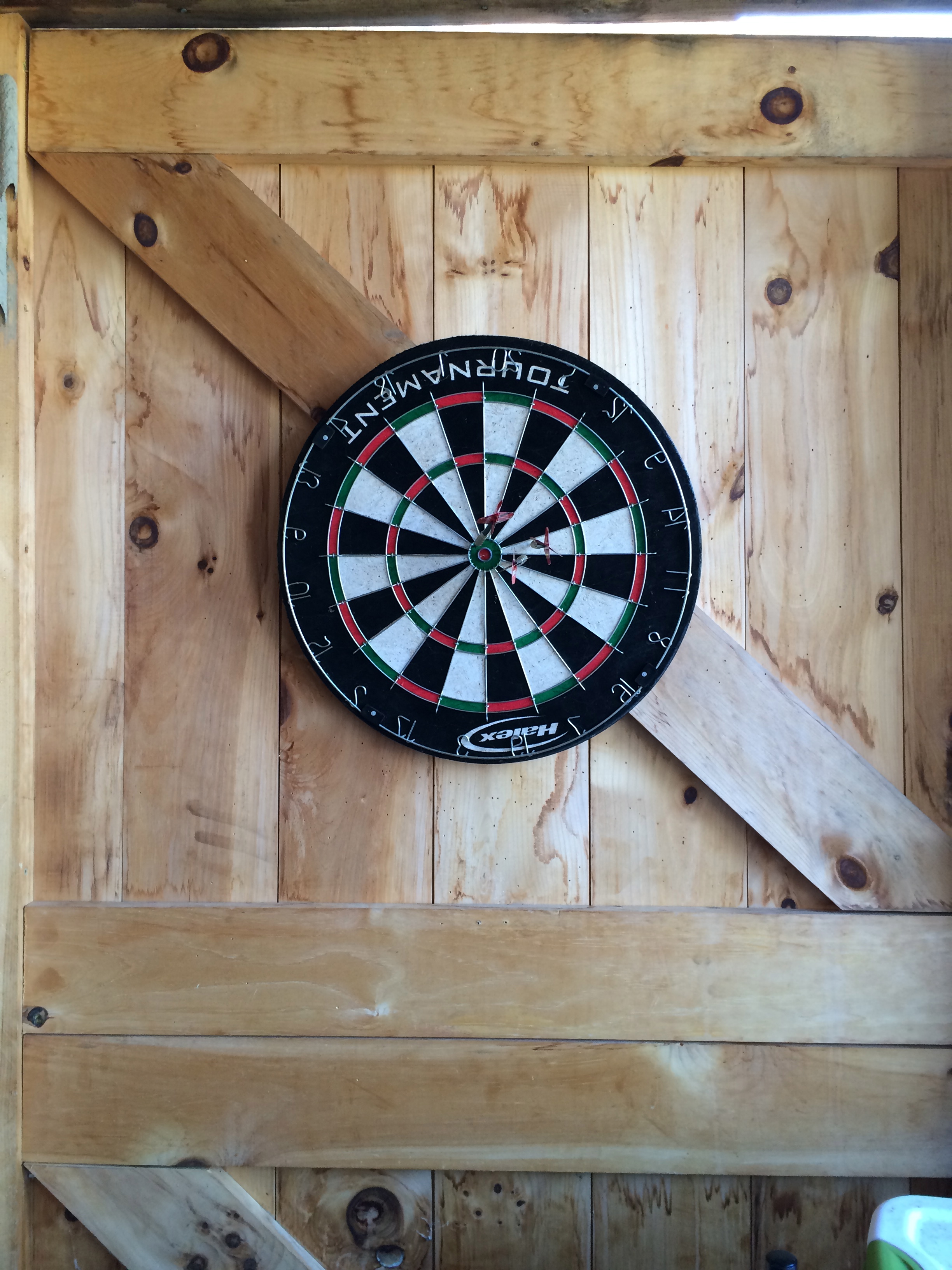
Darts, anyone?

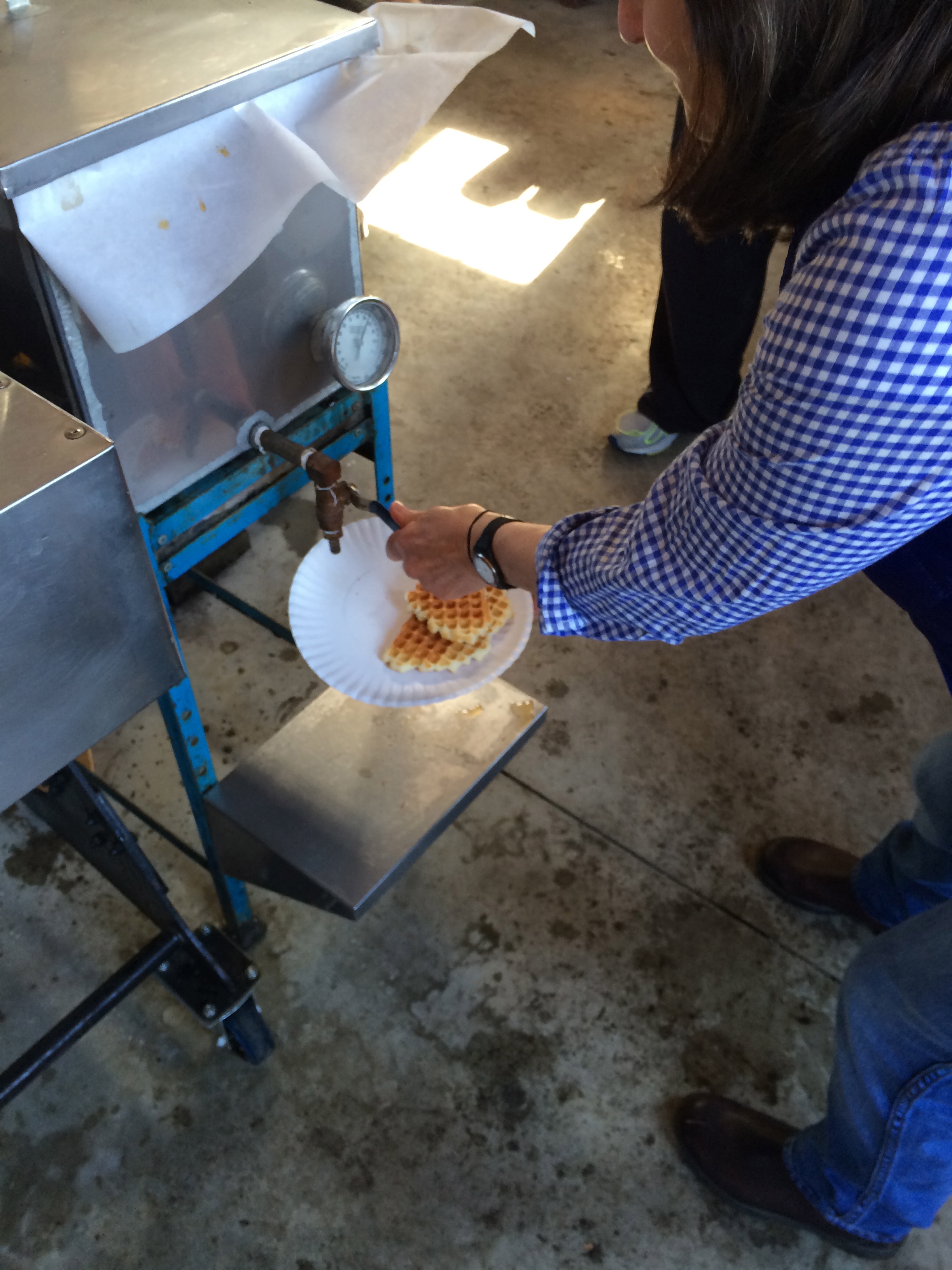
The syrup is finally ready for a test taste:

IMG_4020

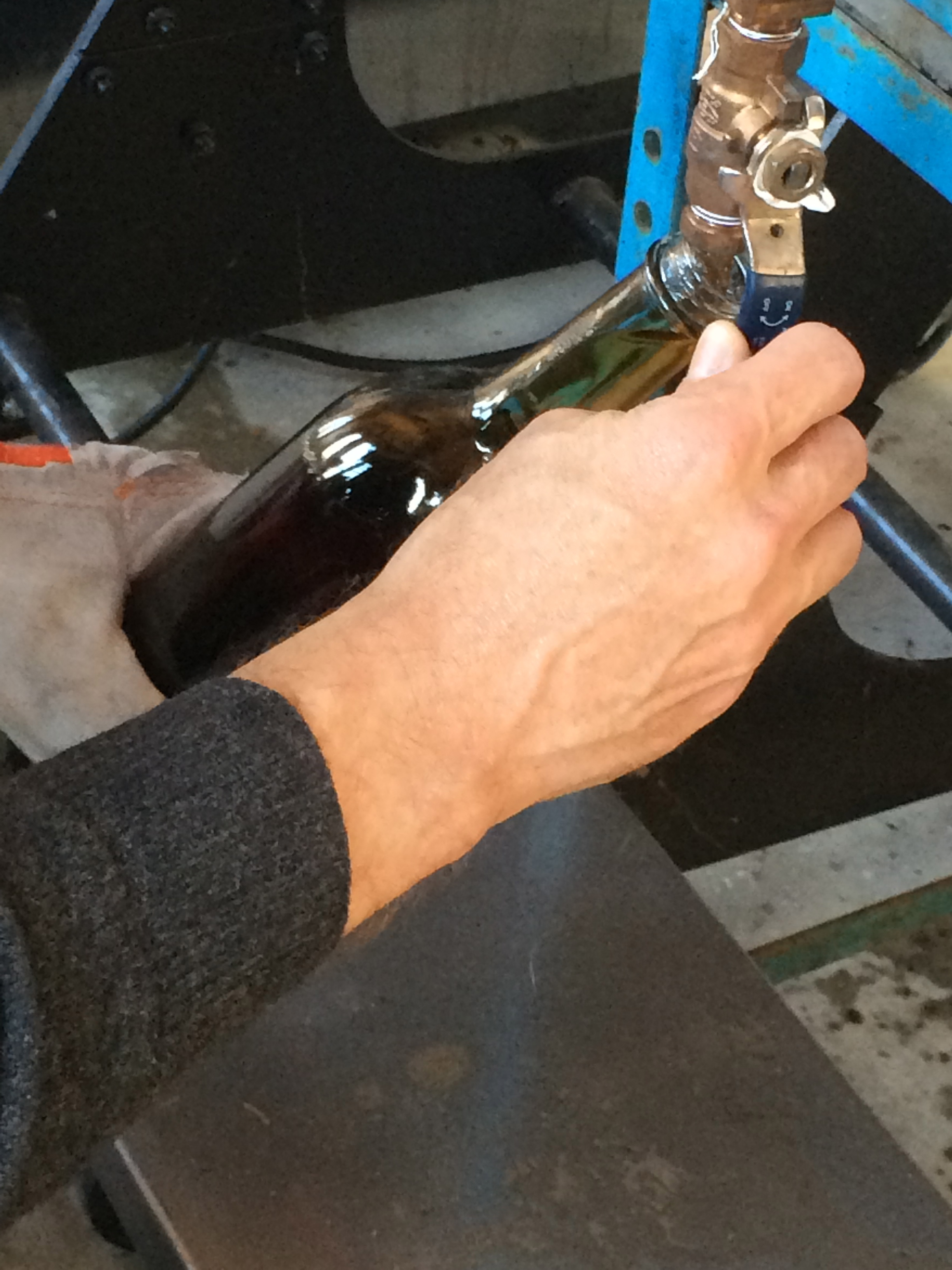
And bottling:

IMG_4049

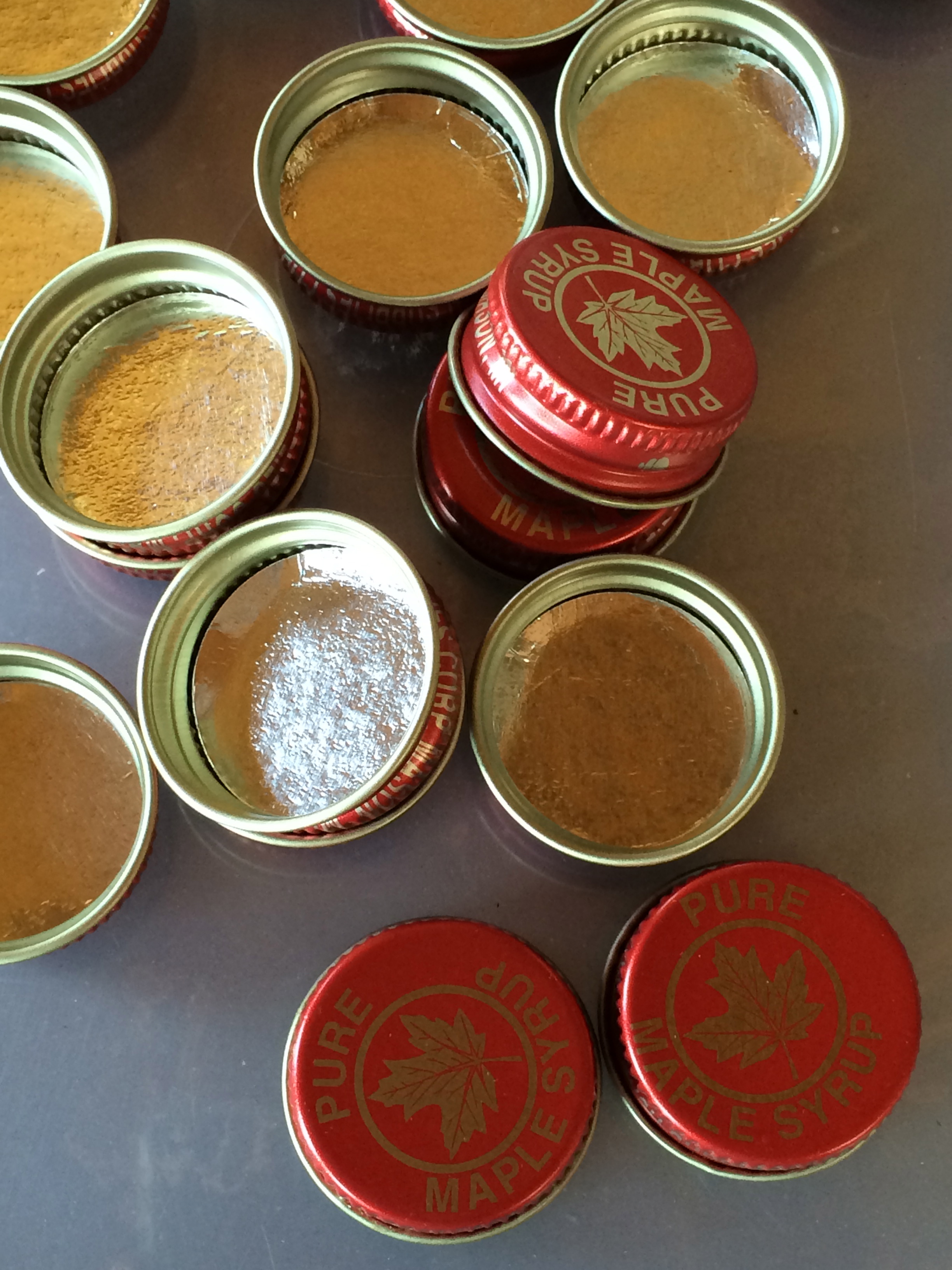
Cases ready for bottling.

IMG_4045

10 gallons (60 bottles) is the yield for the day. It takes roughly 50 gallons of sap to produce one gallon of syrup.

IMG_4042

IMG_4052

Once filled, the glass bottles are stored upside down to ensure a proper seal.

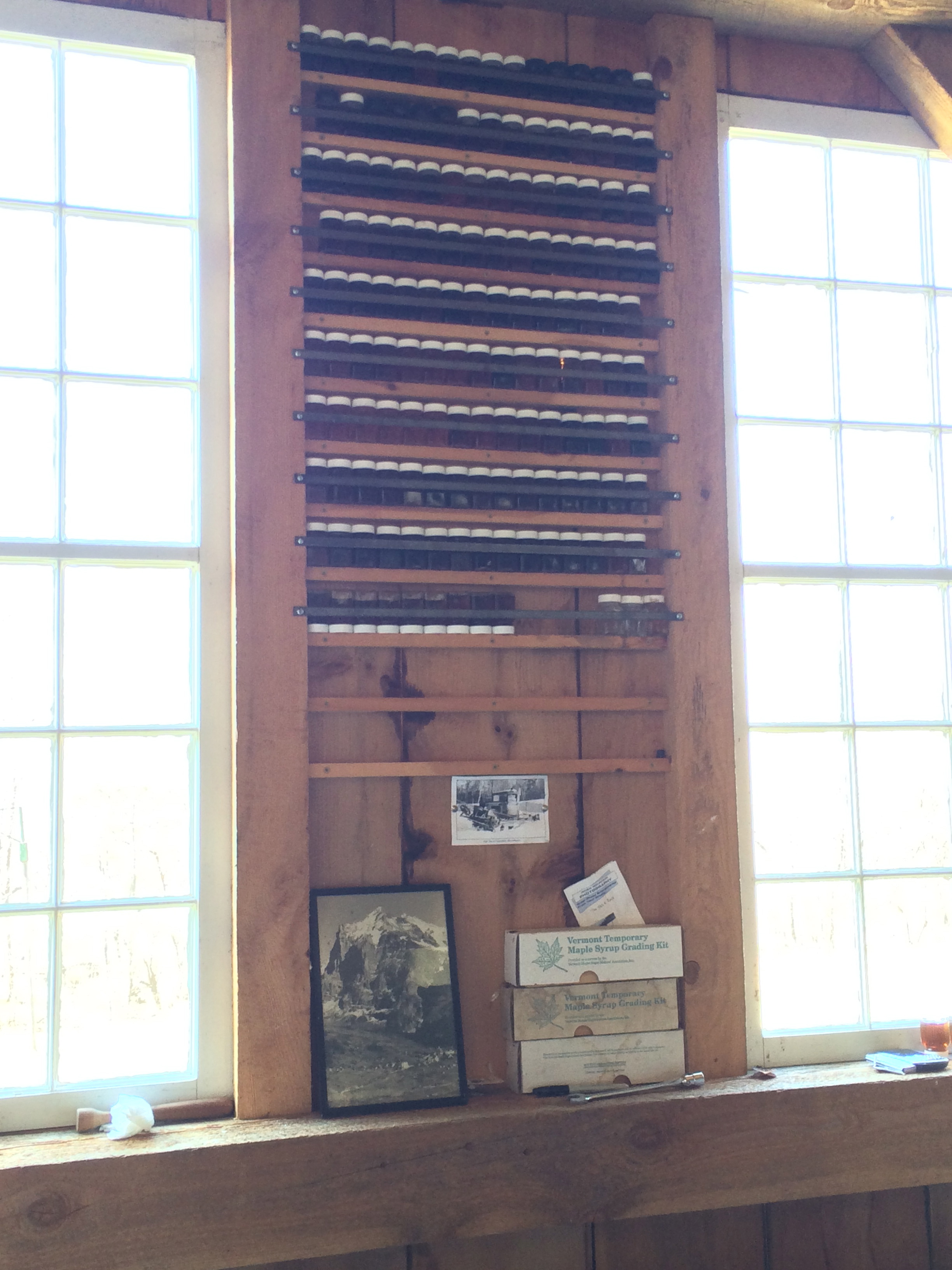
Shelves lined with small bottles from prior years of production serve as a guide for syrup grading:

IMG_4025

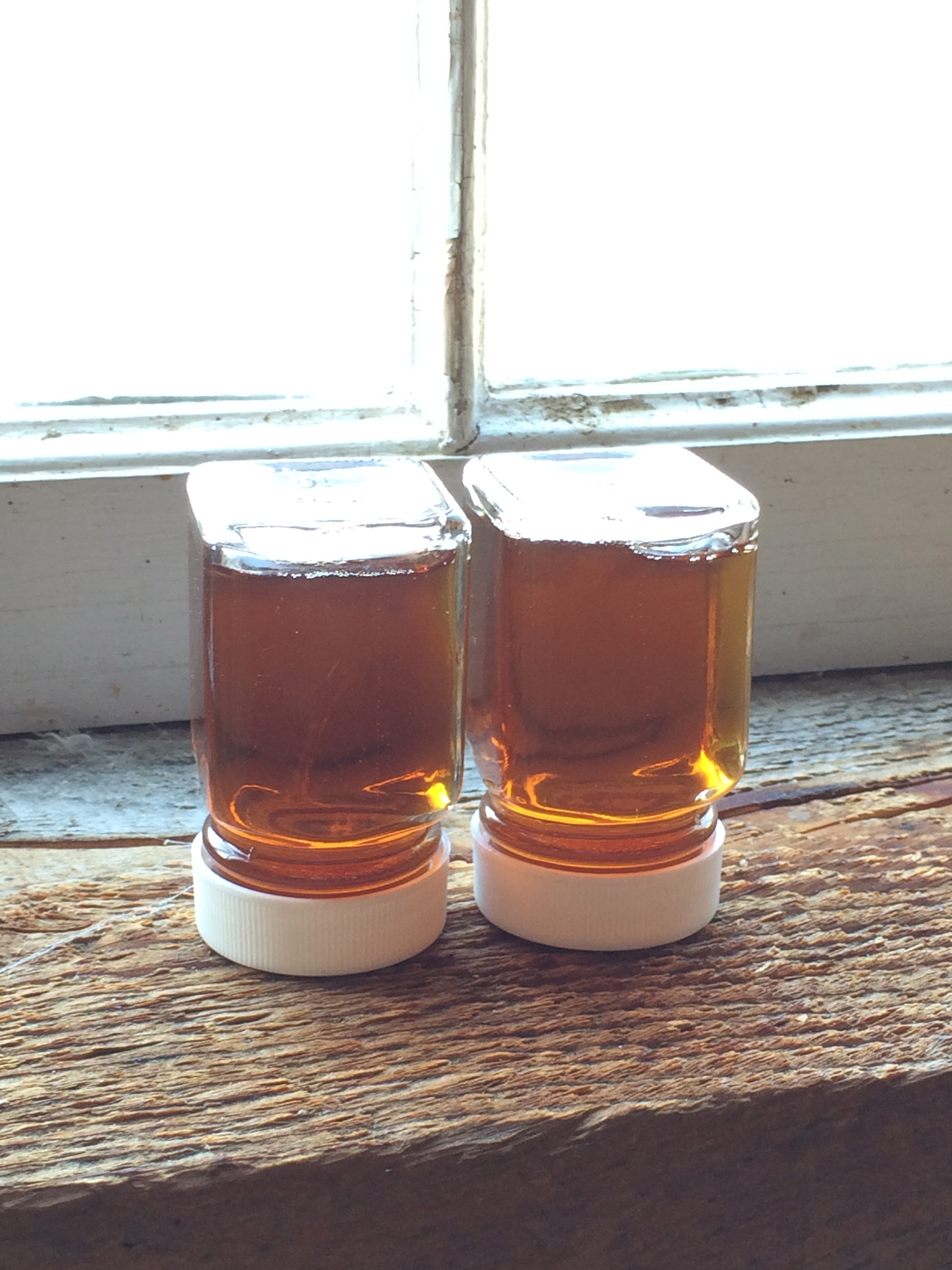
An outstanding specimen:

IMG_4102

I left with one bottle and placed several more on reserve for friends and family.  Pancakes and waffles are a certainty in the very near future!

For more information about Stone Ridge Farm and CSA shares:

http://www.stoneridgeorganics.com

http://localharvestnh.com/index.php/the-farms/stoneridge-farm/

http://www.americantowns.com/nh/bradford/organization/stoneridge-farm


POST EASTER BUNNIES

IMG_4156

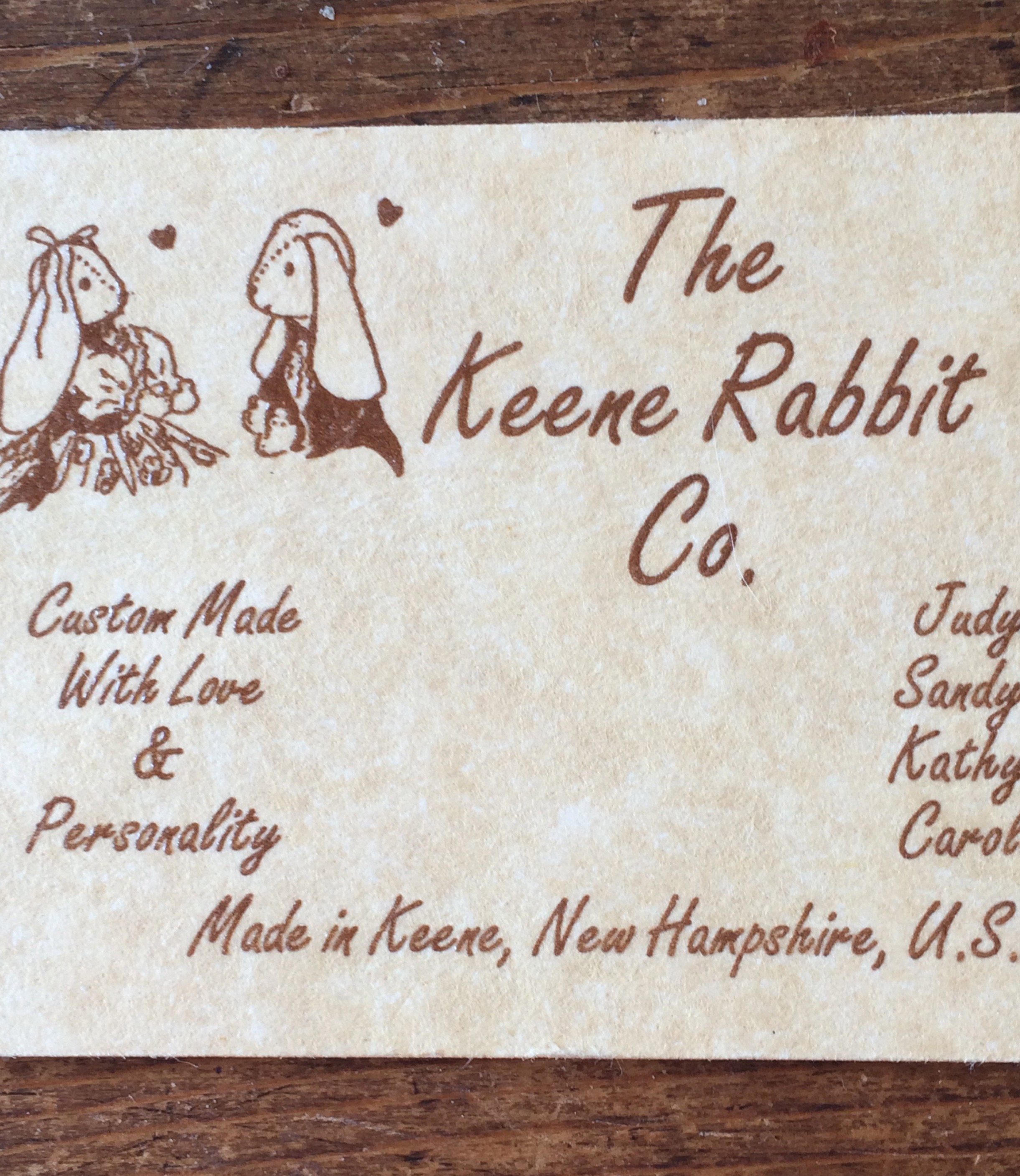
An old business card

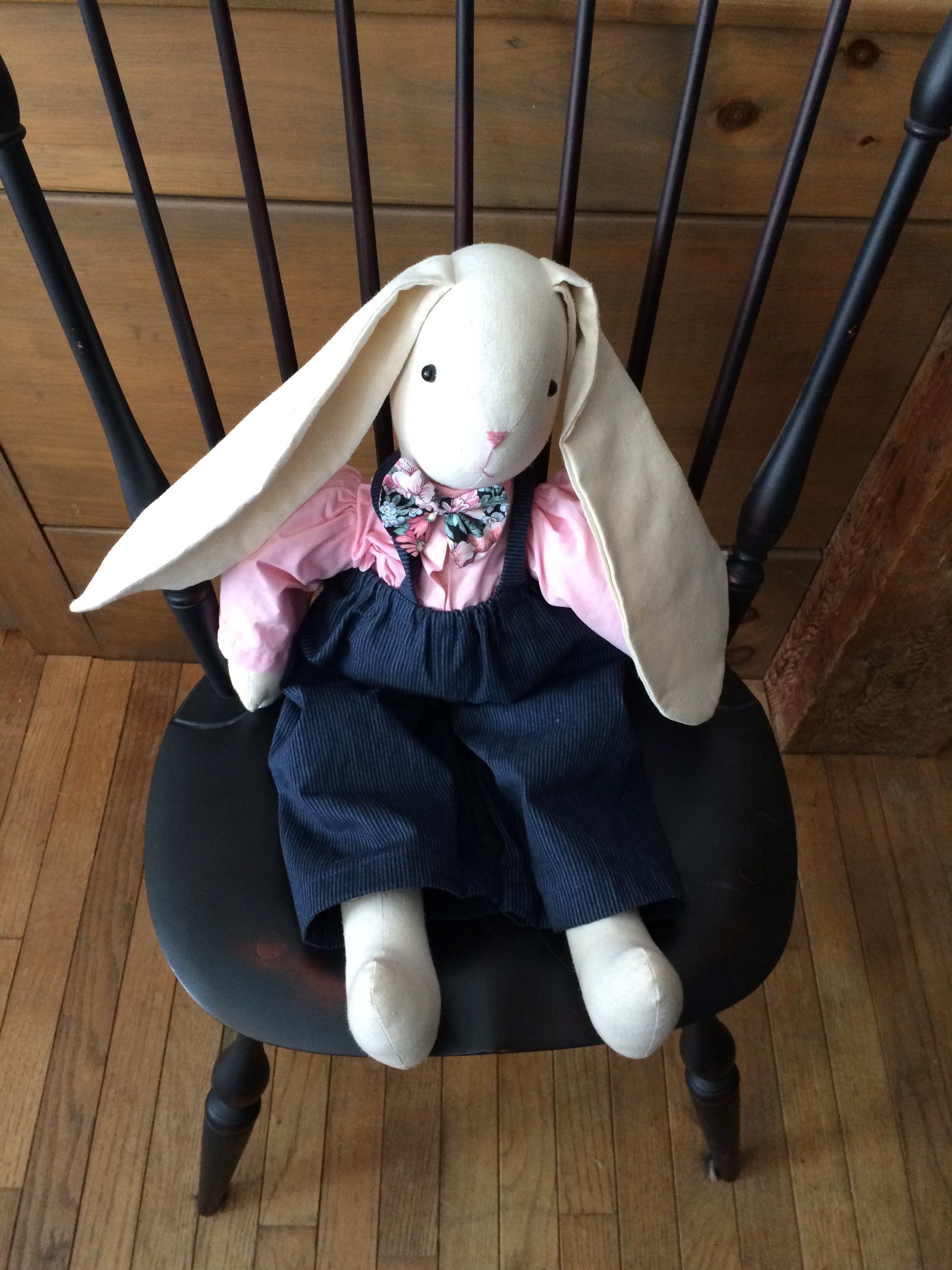
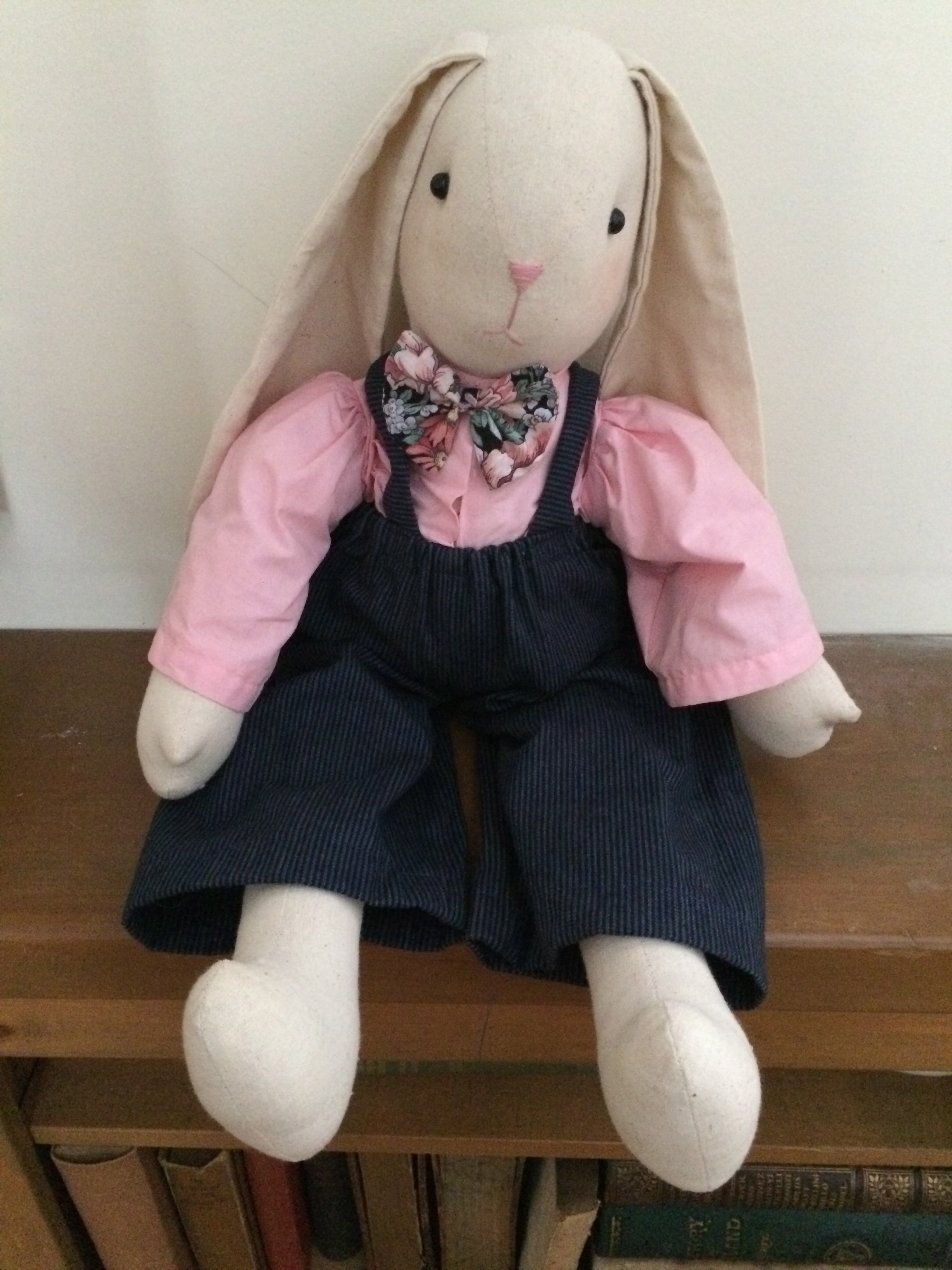
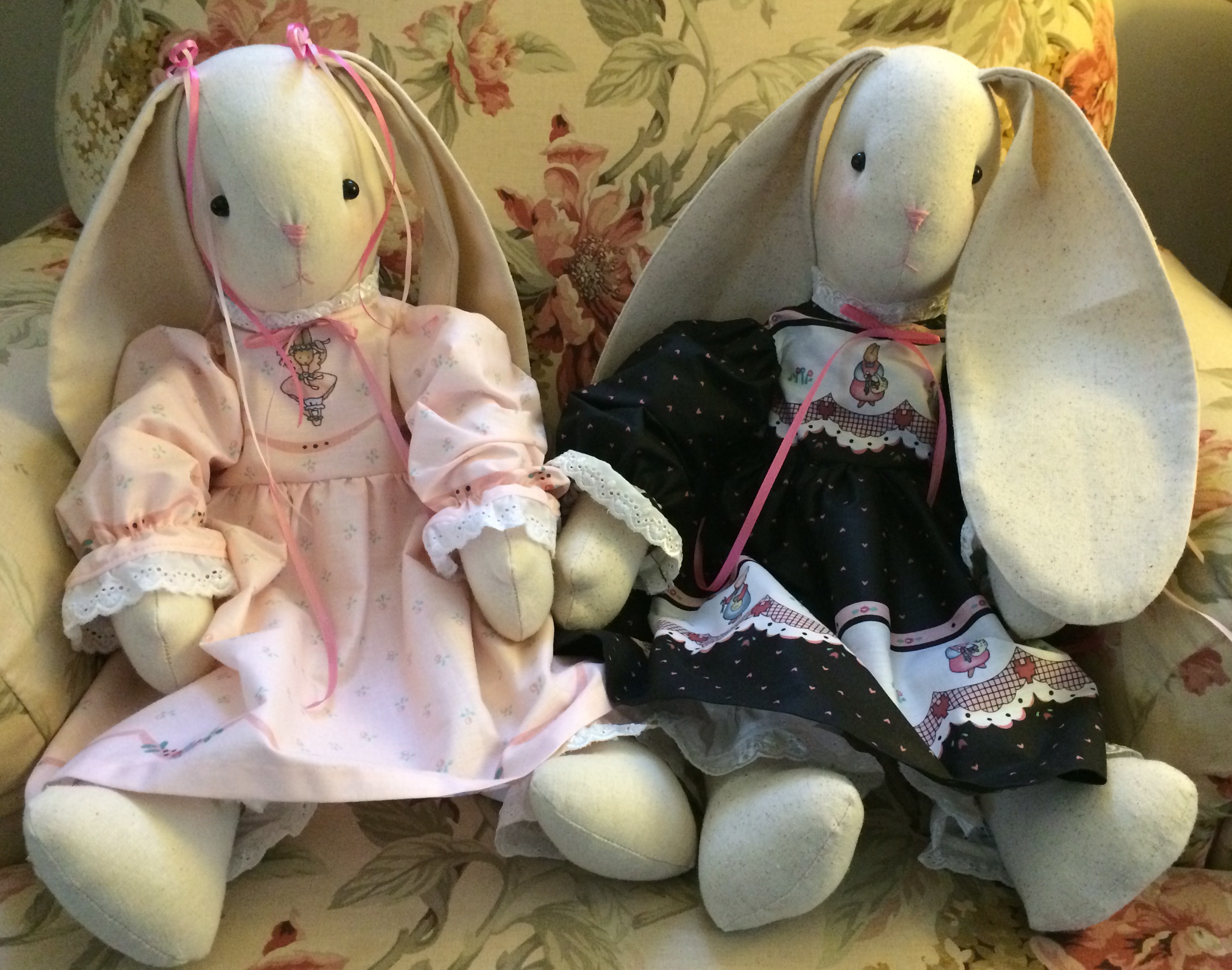
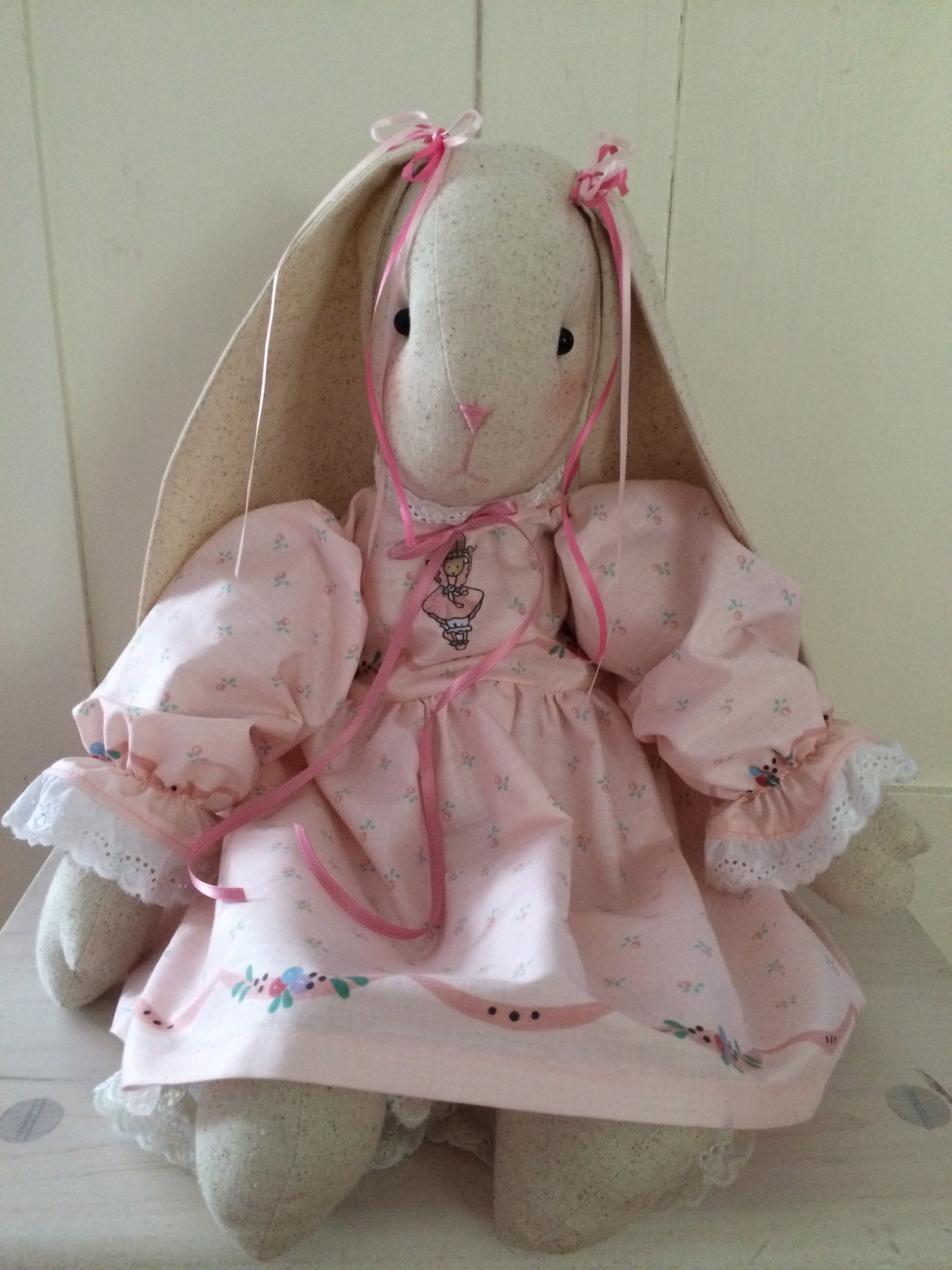
The Keene Rabbit Co. is no longer formally operating as a business.  However, a friend of ours offered an introduction to the former owner after we recently won this adorable stuffed bunny at a fundraiser auction:

IMG_0379   IMG_0383

The NH based company was founded by Judy Tobin, as a natural offshoot of a Wednesday evening sewing group.  Originally given as gifts to friends and relatives, the lop eared bunnies were eventually sent all over the country, even as far afield as Alaska.  One of the more memorable orders went out to a group of Russian orphans, befriended by Judy’s daughter, Elaine.

A vintage favorite of Judy’s:

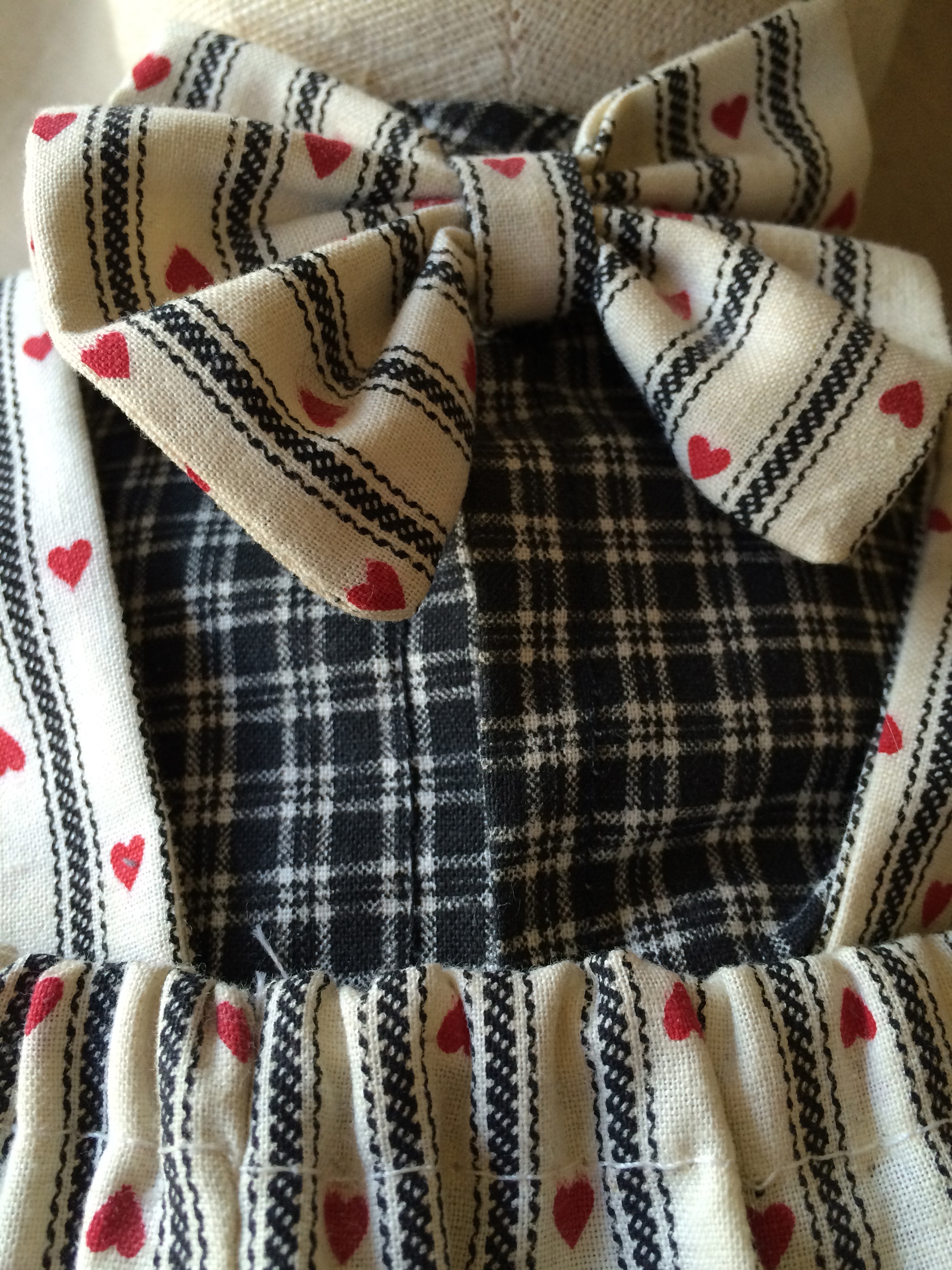
IMG_3939

Circa 1980

IMG_3964

Fabric made in the USA

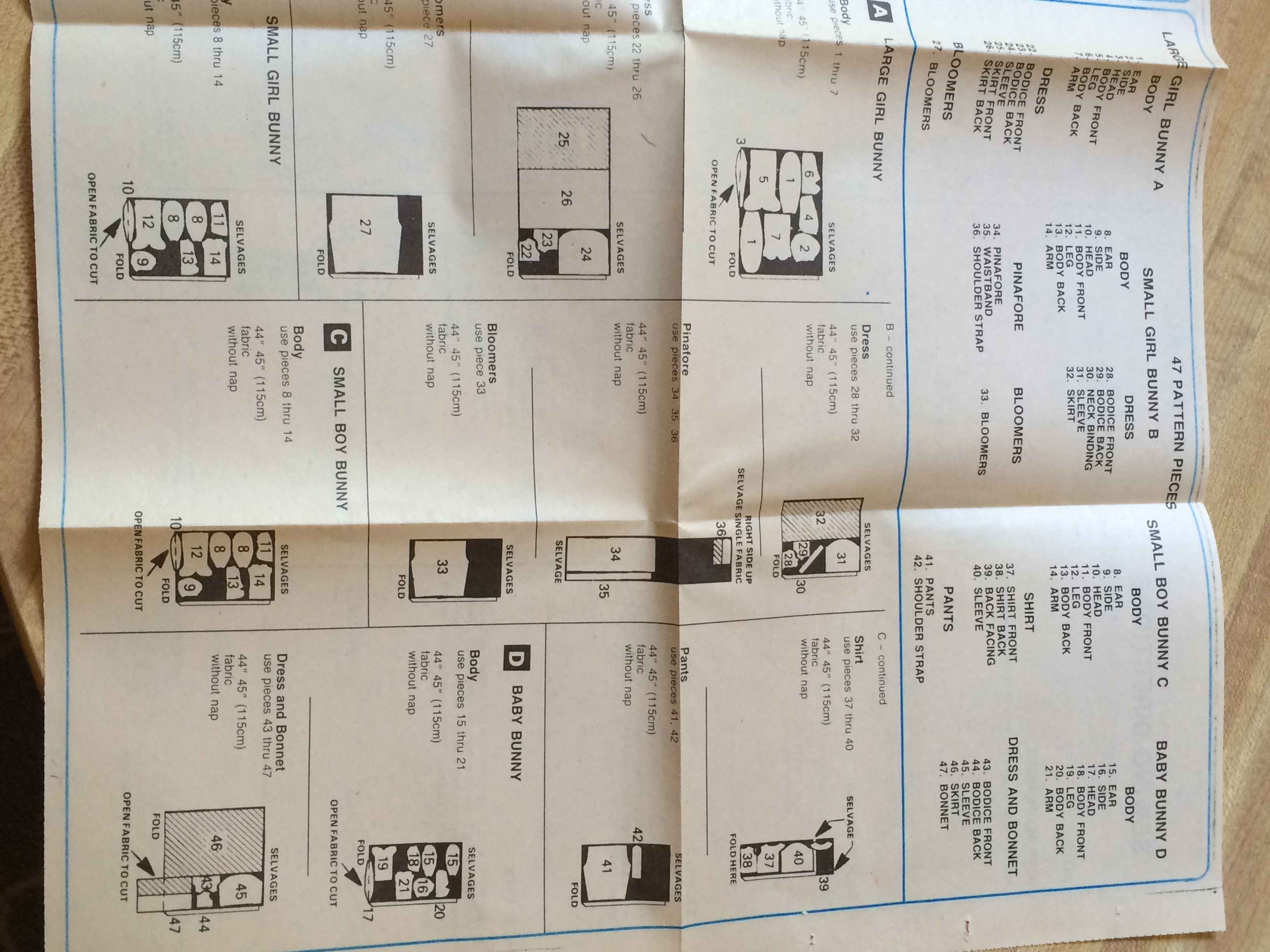
Instructions for an old McCall’s pattern, from which they were originally created:

IMG_3934

IMG_3933

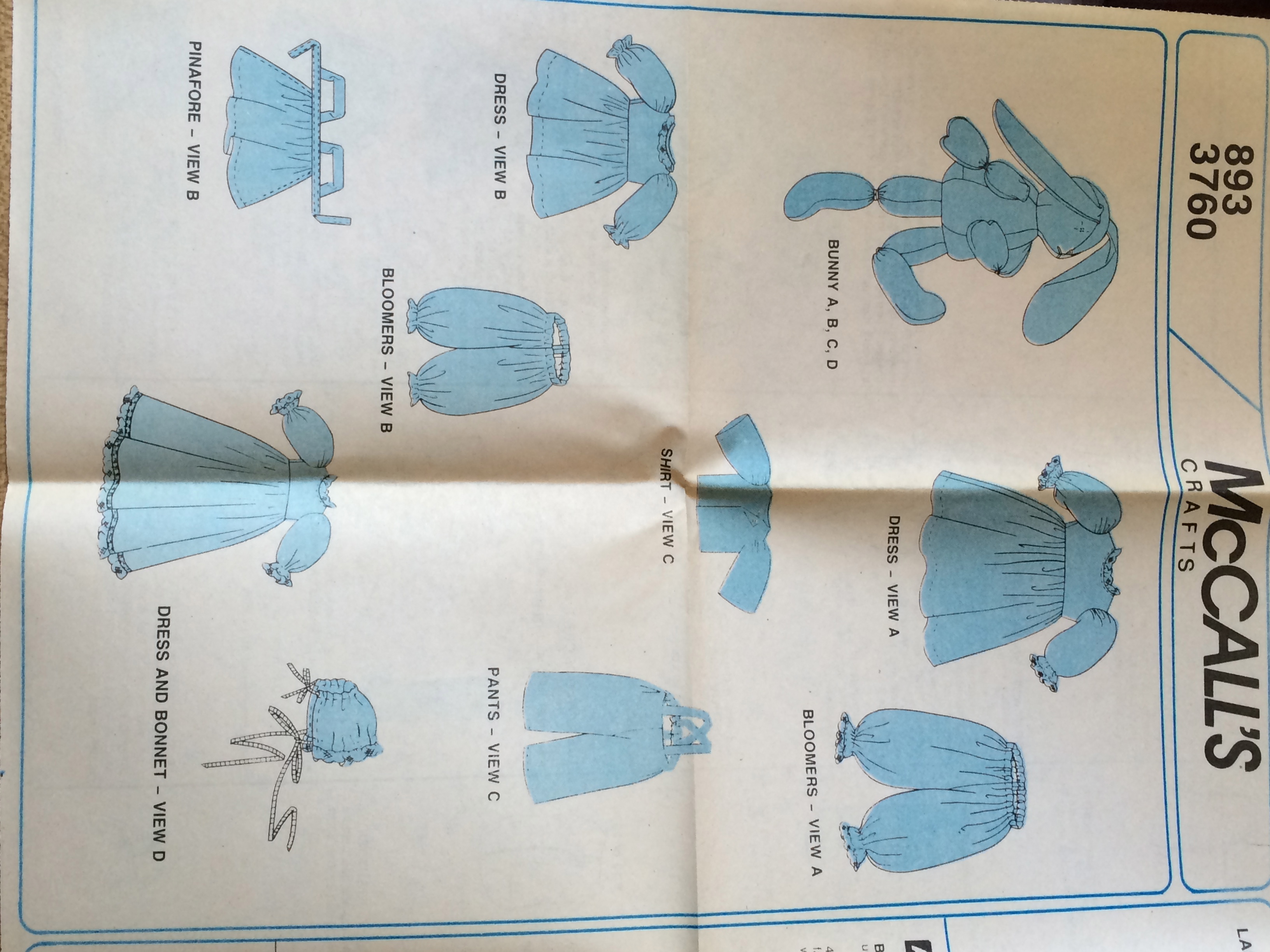
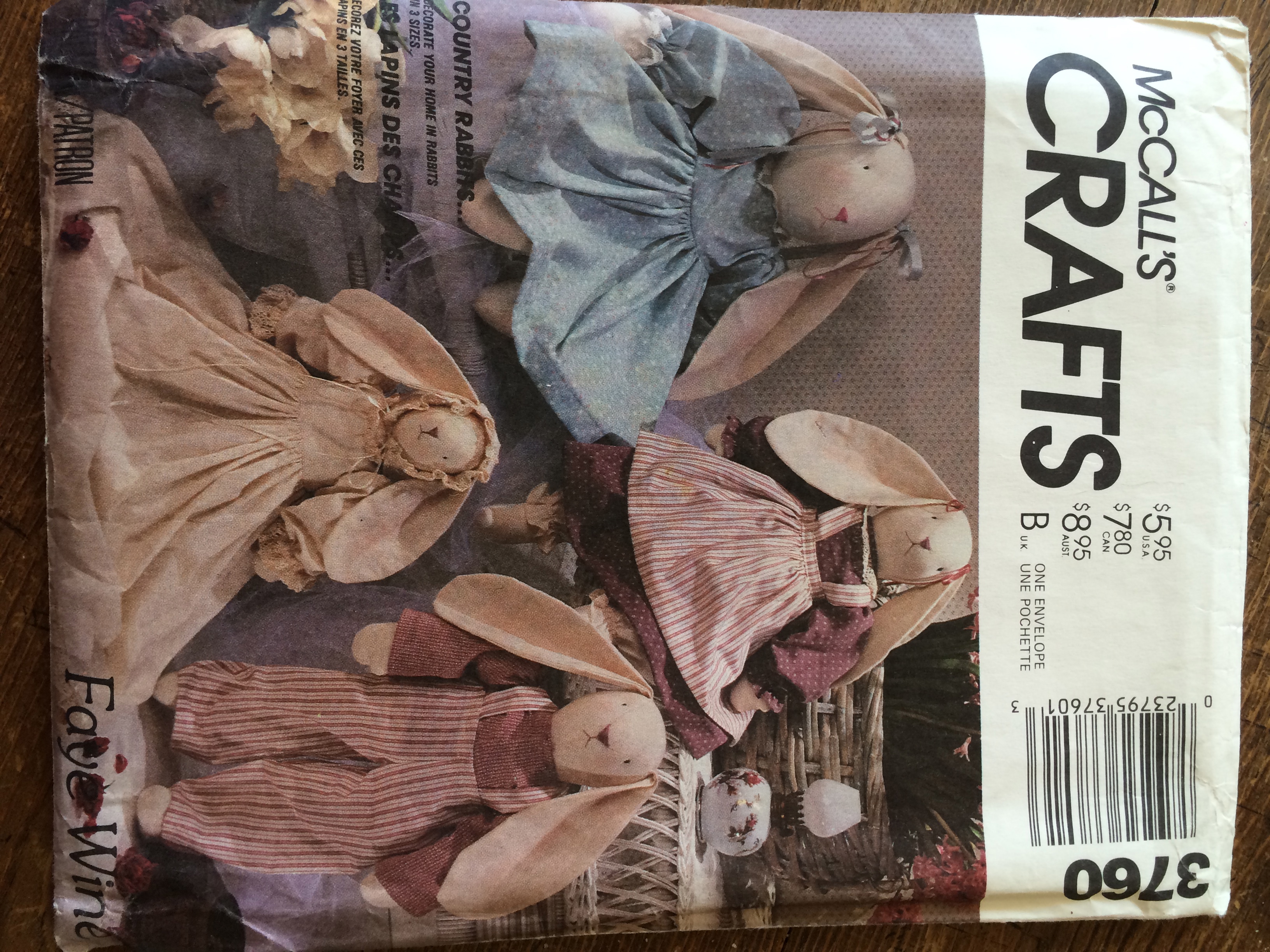
Packaging for the original pattern, no longer available:

IMG_3959

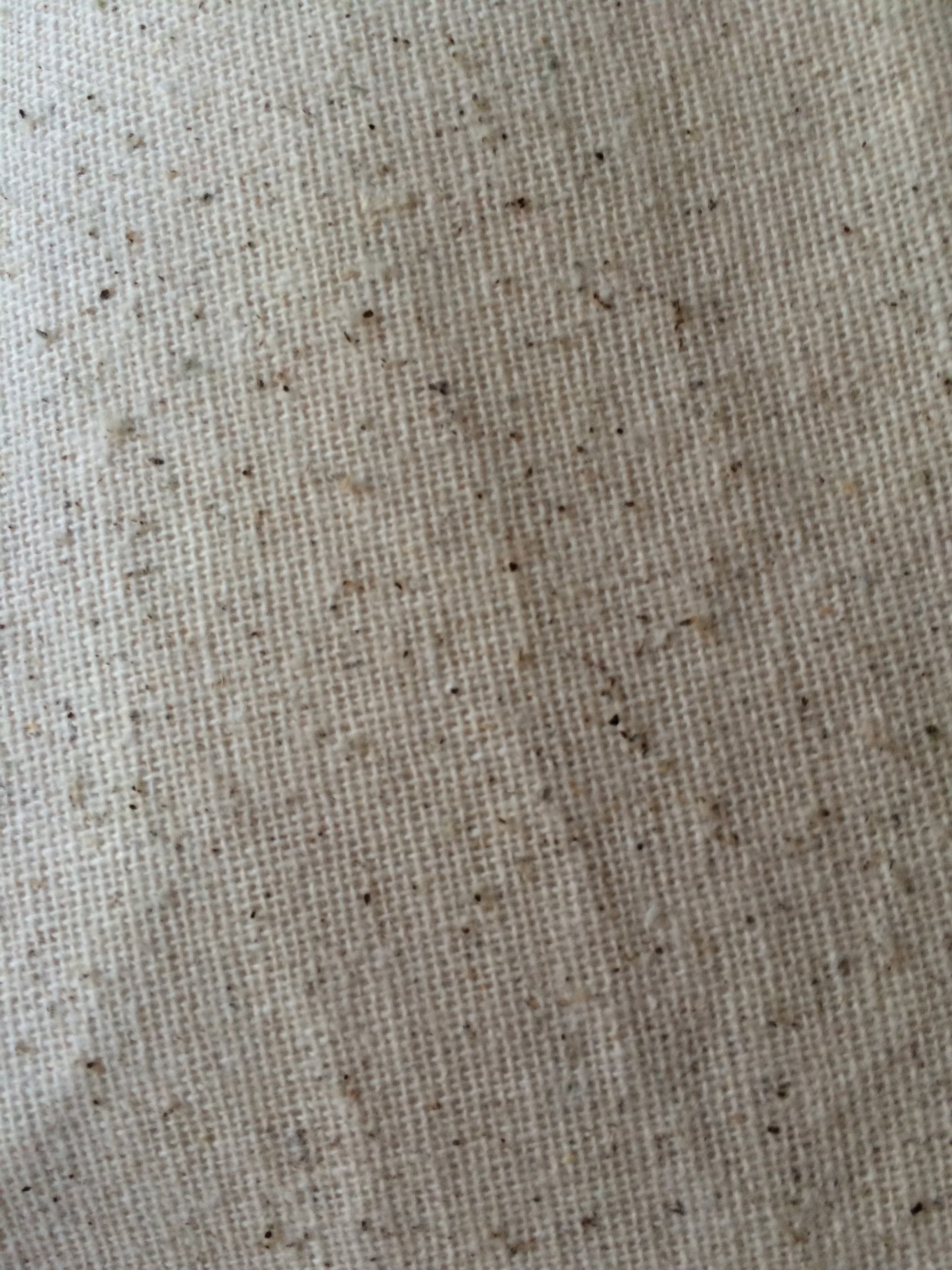
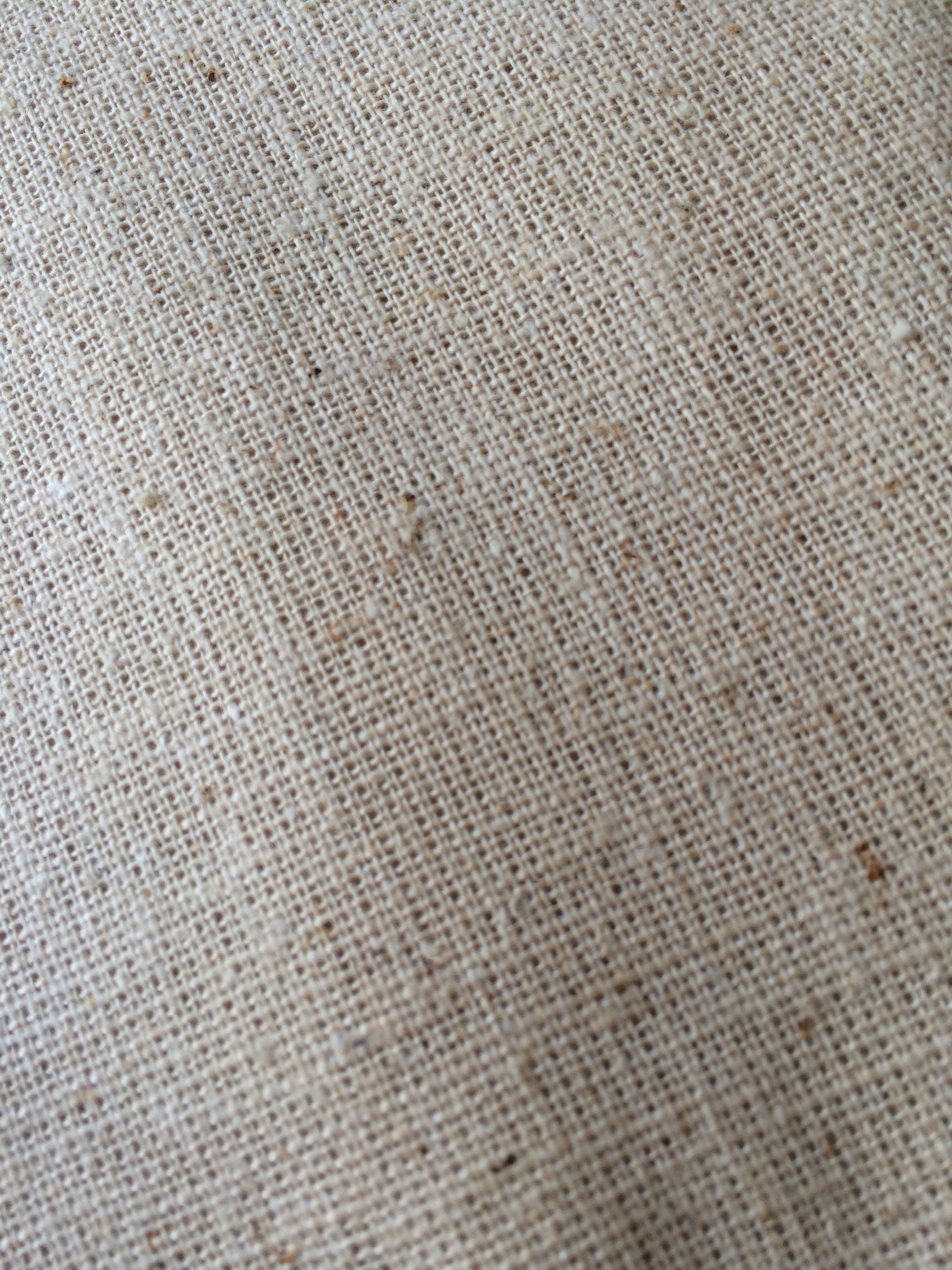
While the bunnies are still very occasionally made, a recent challenge has been difficulty in sourcing quality, US manufactured fabrics. The muslin on the left is well over 30 years old and has held up well, with very little pillage.  Contrast with it’s recently purchased counterpart on the right – made in China, grainier in texture and already showing signs of wear:

IMG_3965IMG_3966

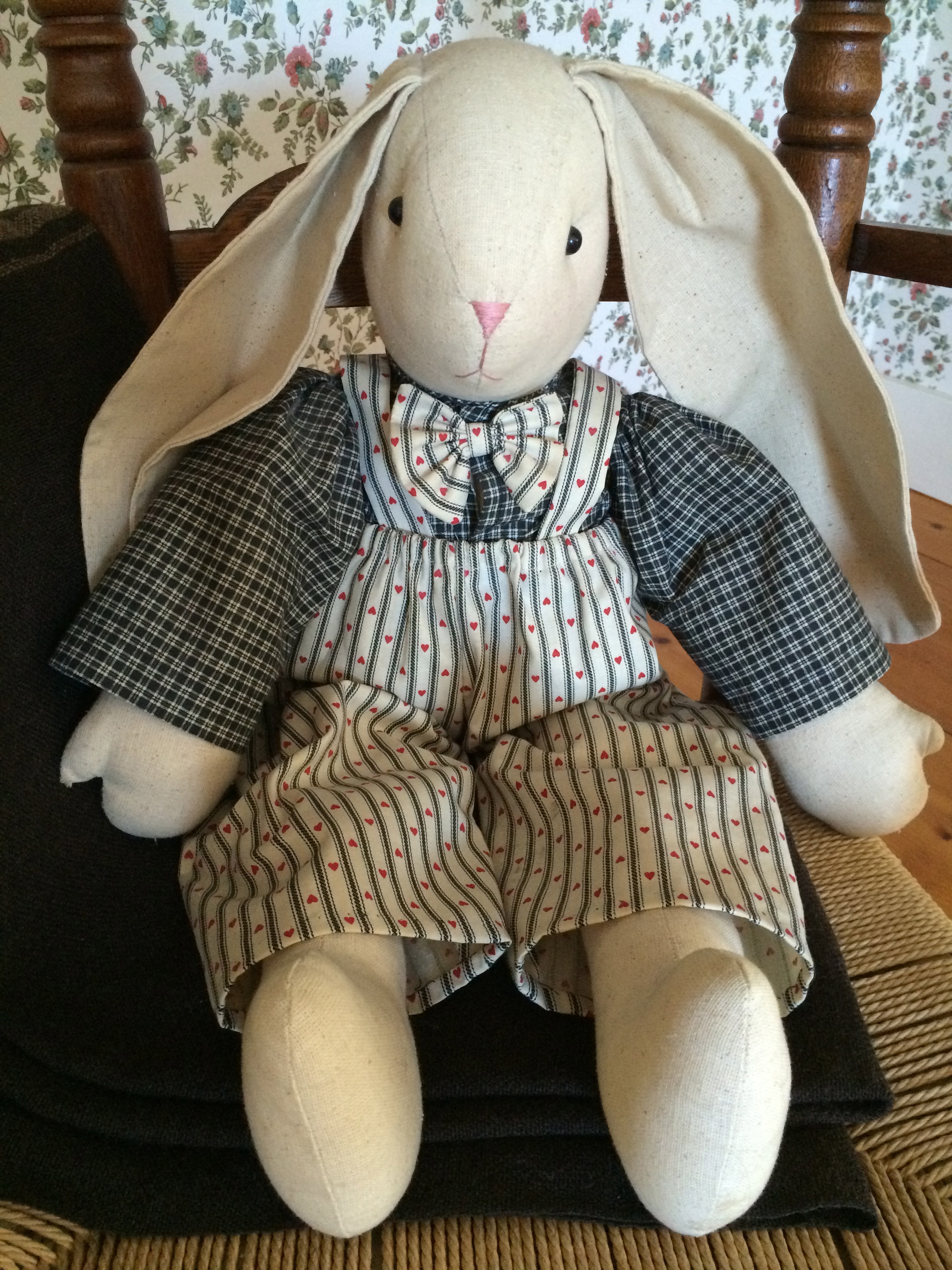
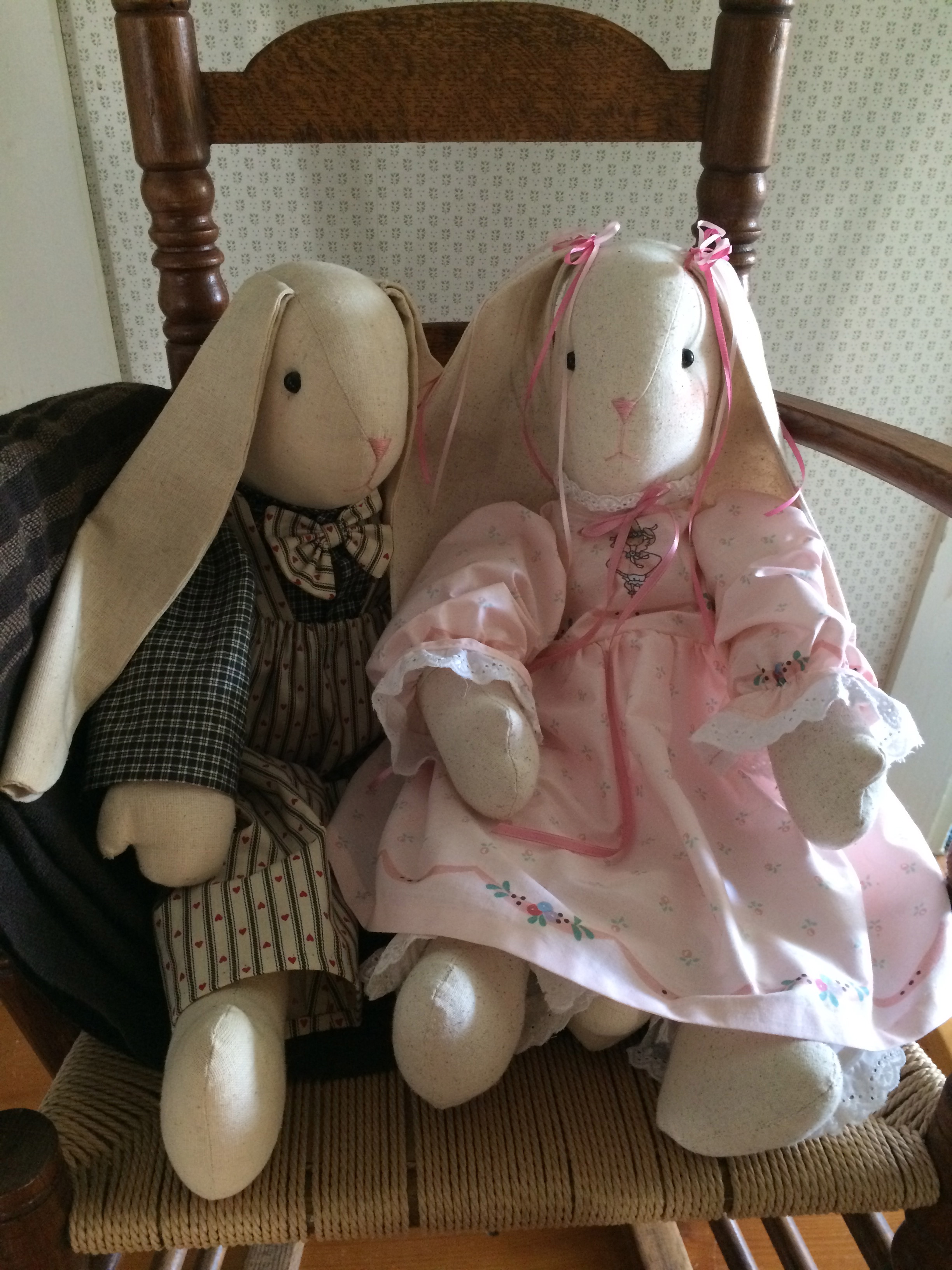
Two more bunnies, eagerly awaiting their new owner:

IMG_3935

This one will go to our niece as a post Easter, birthday gift:

IMG_3951

Until then, it’s home will be this rocking chair:

IMG_3953


Thanks to Judy Tobin for sharing a few of her many delightful creations, which will be treasured for years to come!

LAKE SOLITUDE – A LAST LOOK BACK

IMG_3095

Spring was coy that year, and the cold season had a long and fretful death…”

Owing to a trip out of the country during the latter half of March followed by visits to relatives out-of-state for Easter holiday upon our return, this blog has gathered a bit of dust, as it were.  Contemplating the end of one cycle even as the next has arrived, and the appearance of snow flurries on the other side of the window pane only just earlier this morning, it seems appropriate to pay one last tribute to the cold season before fully embracing spring.

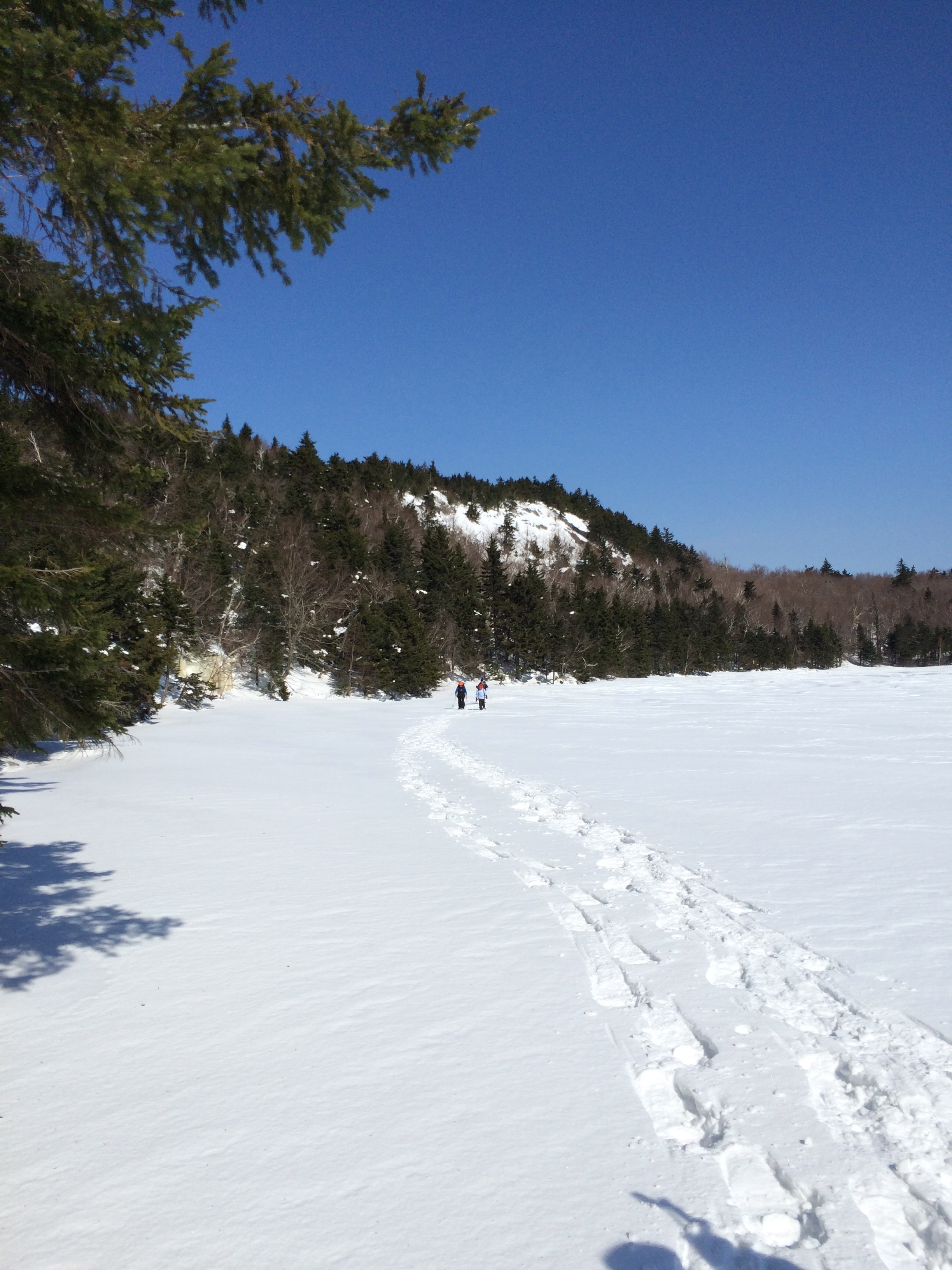
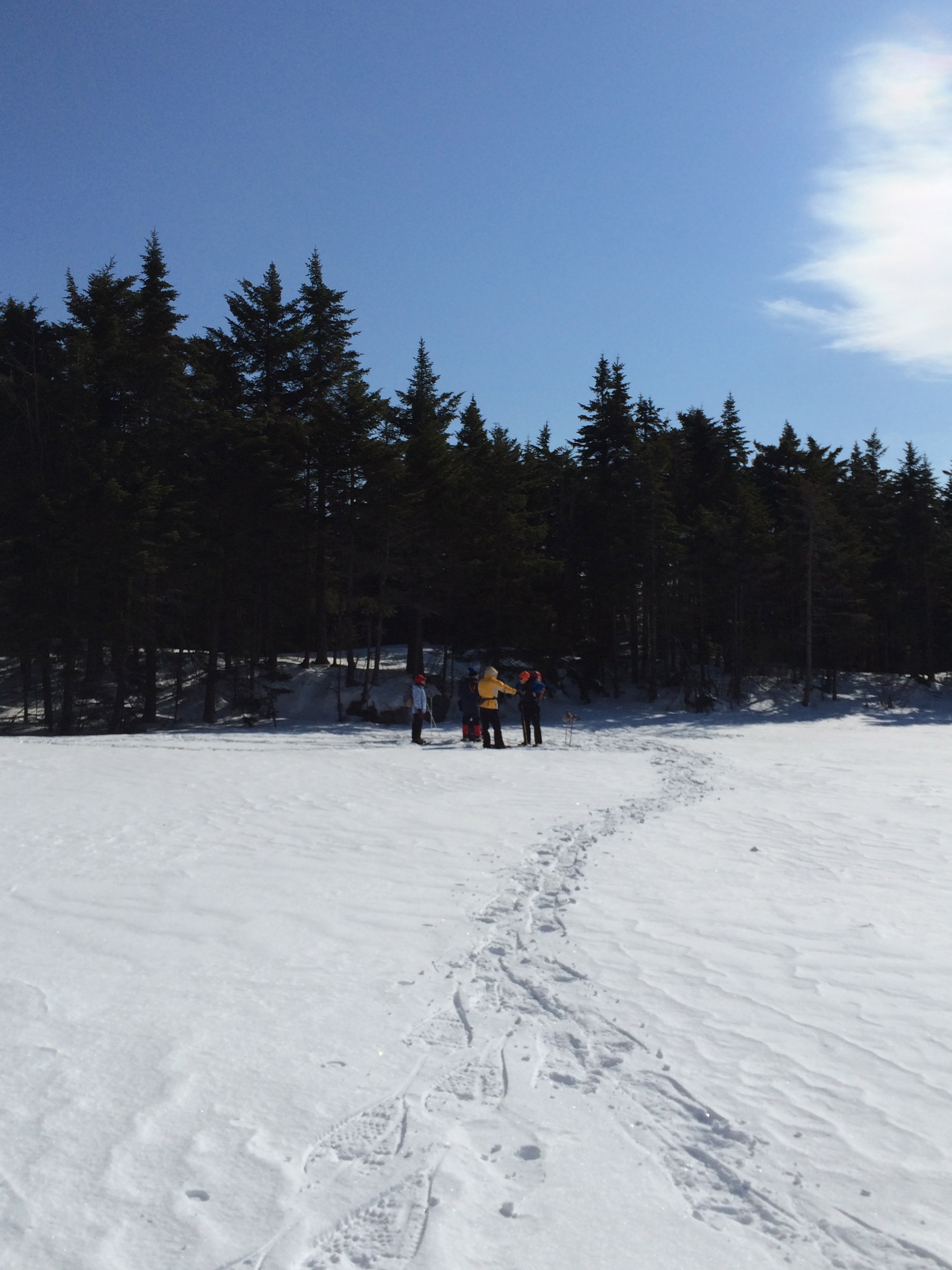
Our final winter trek was a test of endurance to Lake Solitude – a rigorous, 2 mile hike – much of it on steep, uphill terrain.  Circumstances were such that a very small group set out early in the day, while a few individuals who arrived a bit later ended up making most of the long hike to the top on their own.  The reward was a truly spectacular view of the Lake and the surrounding majestic peaks.  No less a reward was the opportunity for quiet reflection in the midst of an awe-inspiring and humbling expanse.

In no particular order, some impressions (literal and otherwise):

IMG_3079

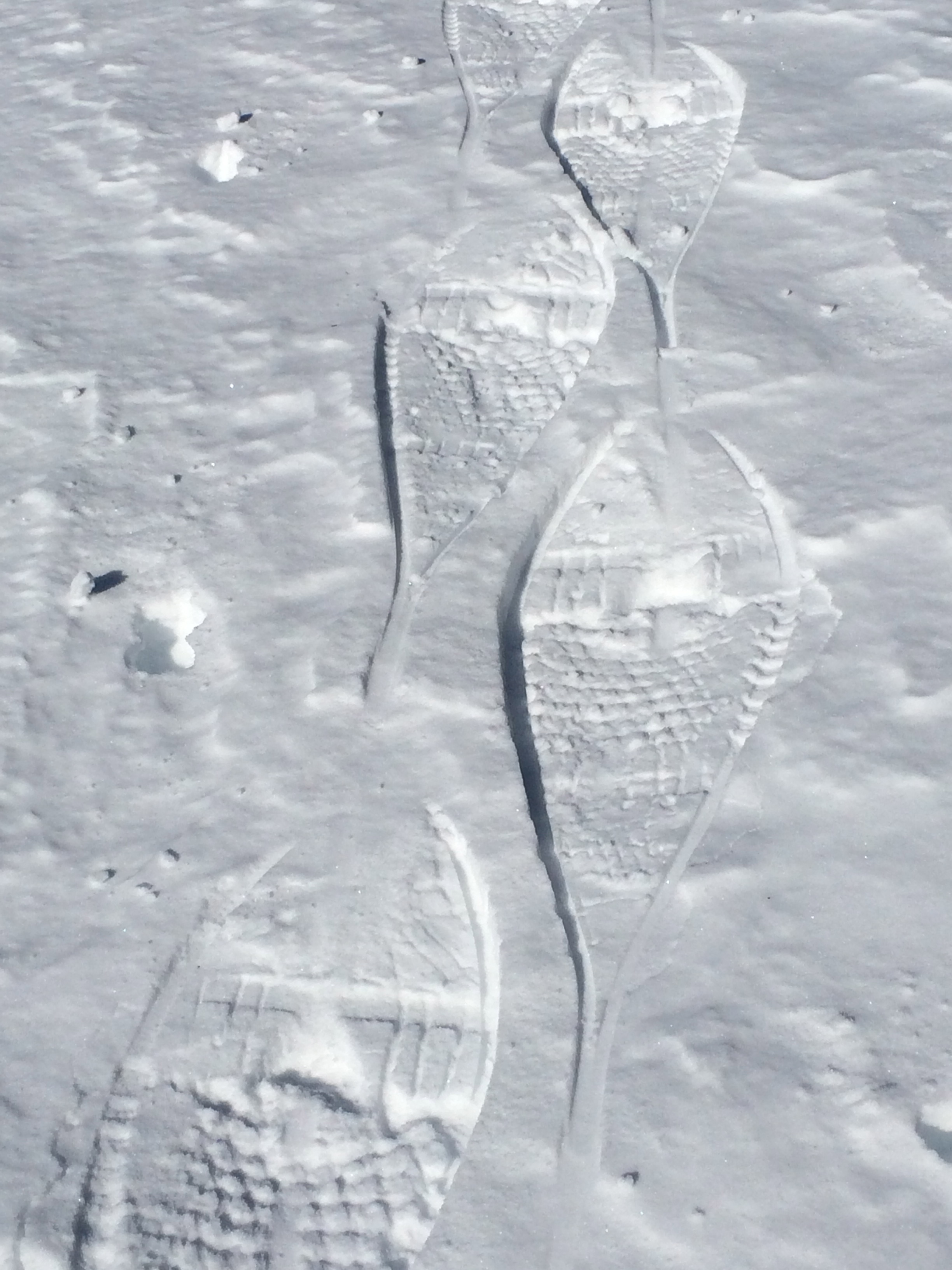
Snowshoes from the old school

IMG_3089

Virgin snow

IMG_3106

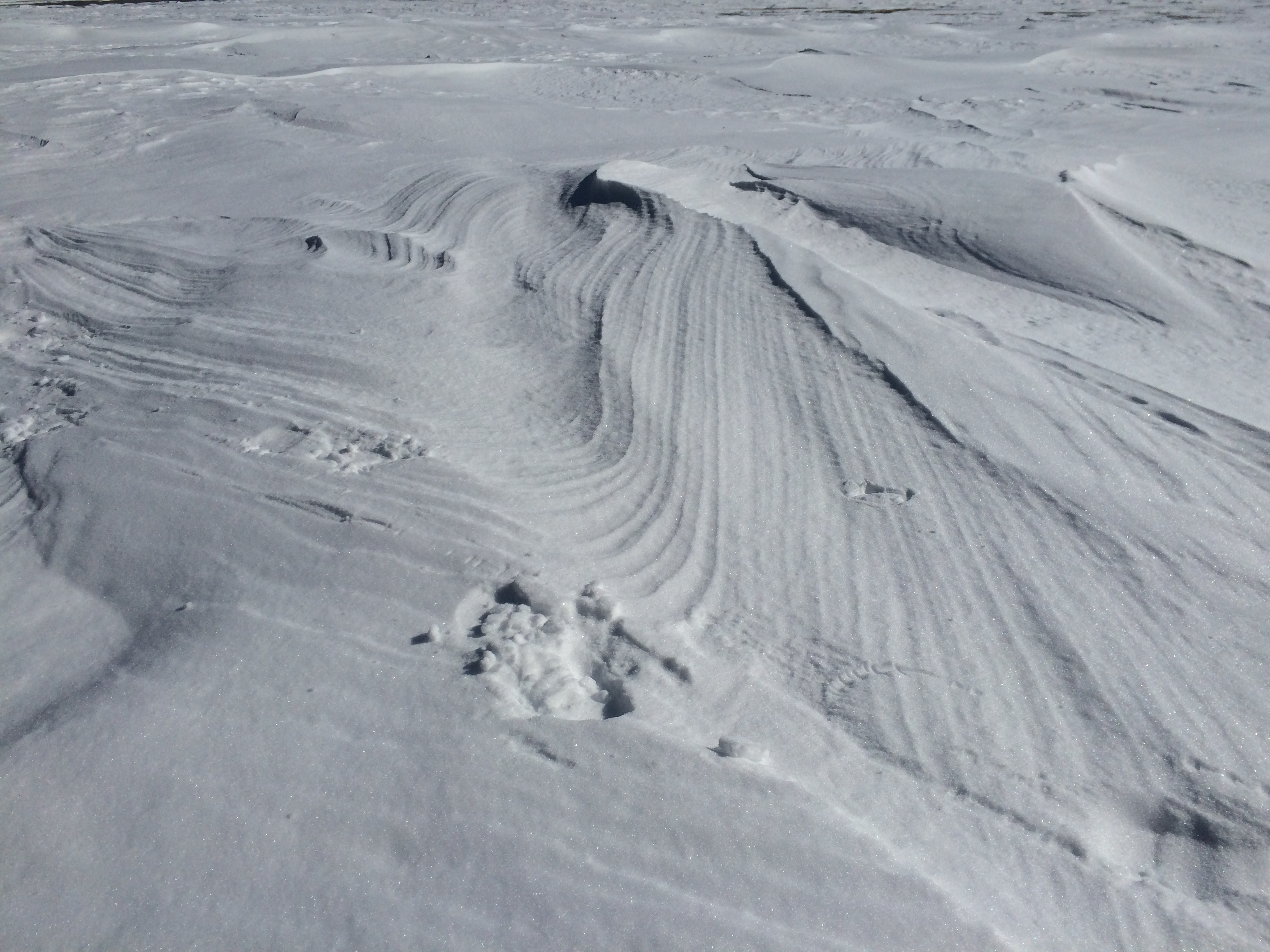
Swirling eddies

IMG_3082

A towering yellow birch

IMG_3077

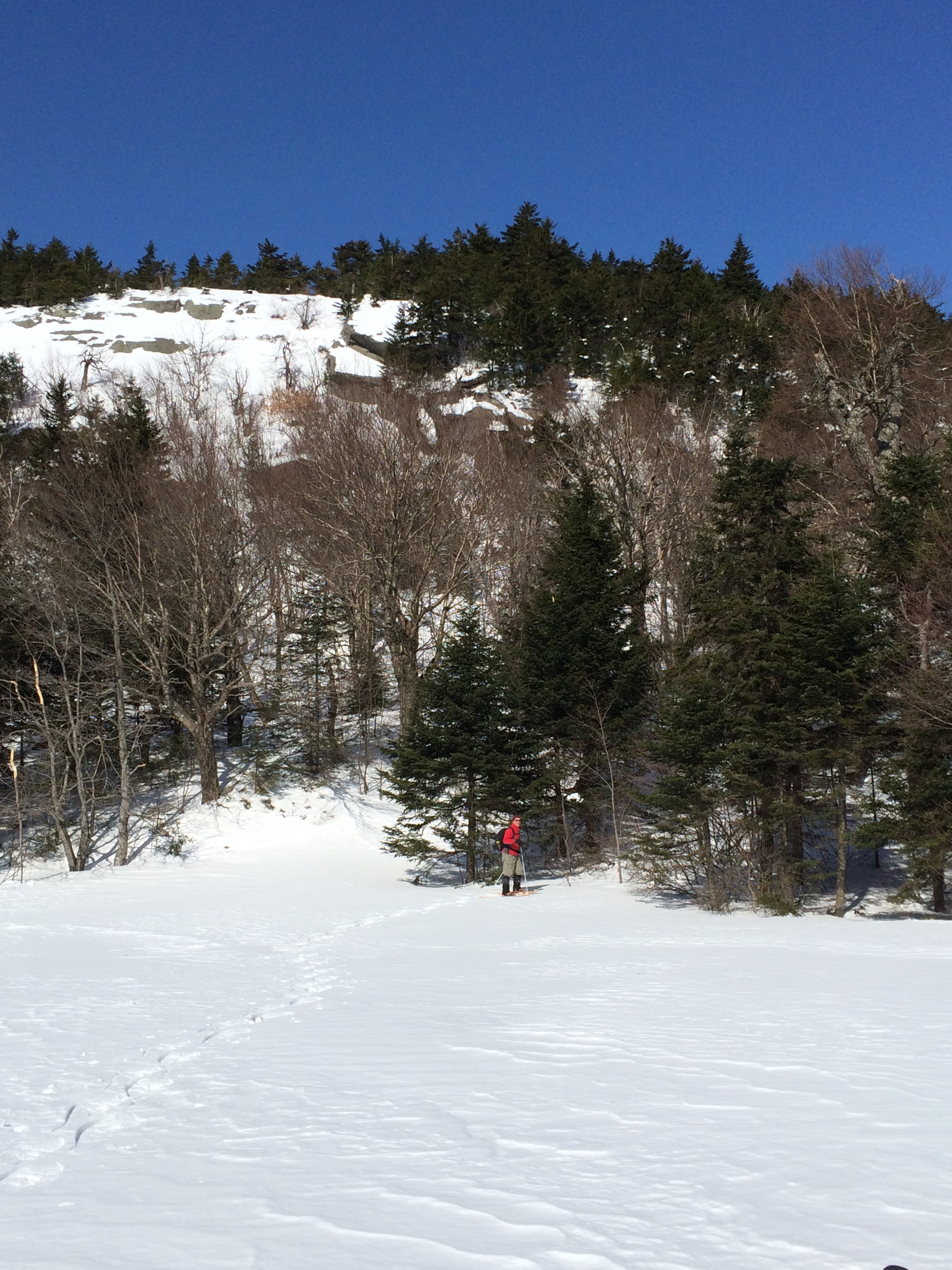
Contemplation

IMG_3042

A glimpse of the clearing

IMG_3097

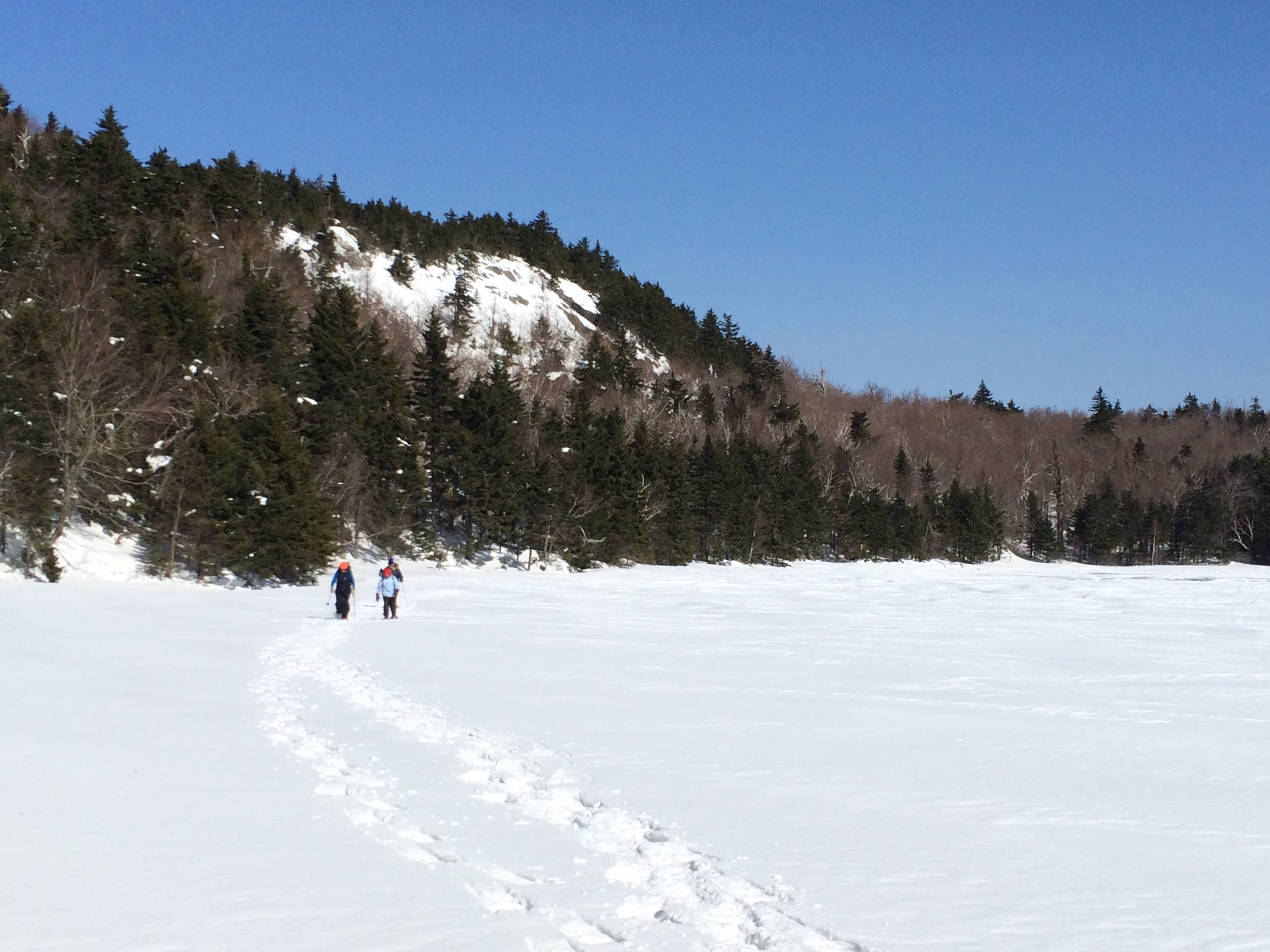
Two travelers…

IMG_3099

…and the tracks left behind

IMG_3052

A cloudless, cerulean sky

IMG_3083

A small band of adventurers

IMG_3104

A last look back…