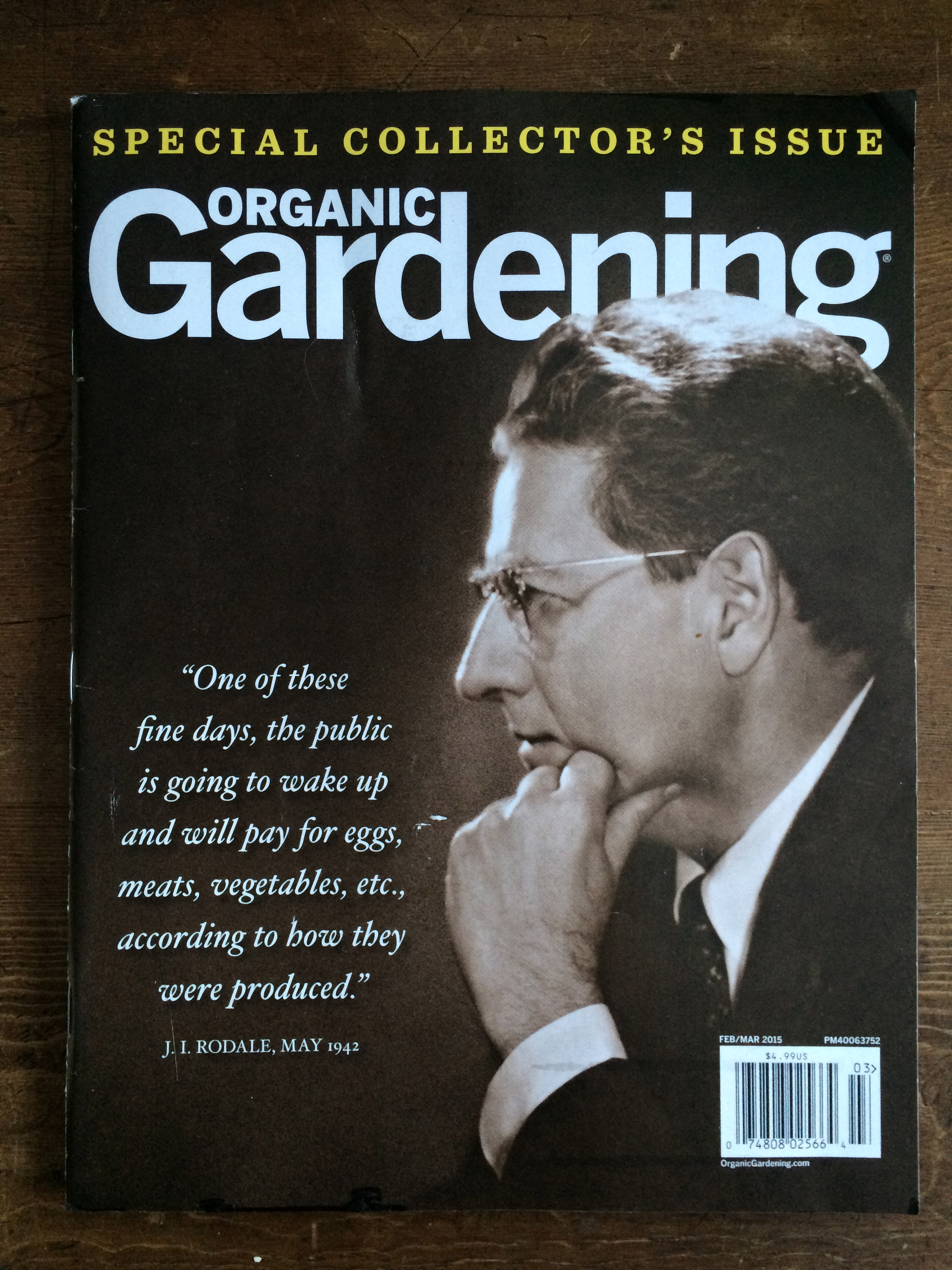
“One of these fine days, the public is going to wake up and will pay for eggs, meats, vegetables, etc., according to how they were produced.”
– J.I. Rodale, May 1942
The prescient words of J.I. Rodale, featured on the cover of Organic Gardening’s latest issue, inspired an overdue consultation of “The Rodale Book of Composting”, a source upon which we have relied regularly for best composting practices. Novices and experts alike will find a copious amount of useful information, which is organized for easy reference by topic. A handy list of compost materials (everything from apple pomace to wool wastes) along with their specific virtues is covered in one particularly helpful section of the book.

Well thumbed copy of the “RBOC”
As expected and given the typical NH winter, wood ash is a material that has been accumulating in our compost pile by the bucketful over the past couple of months. In fact, we’ve rather overdone it. Per the “RBOC”, wood ash is a valuable source of potash for the compost heap, with hardwood ashes generally containing from 1 to 10 percent potash, in addition to 35 percent calcium and 1.5 percent phosphorous. They should however be used judiciously as it is easy to create problematic nutrient imbalances with too much application. On the plus side, it is a strong alkalinizing agent and will increase soil salinity. The garden with particularly acidic soil and/or potassium would benefit from a dose of wood ash but it should be applied sparingly – no more than 2 pounds per 100 square feet.
What then, to do with a growing surplus of wood ash? A few uses, gleaned from online and other sources:
1. Can be used to unclog drains
2. As a silver polish and precious metals cleanser
3. De-skunking a pet
4. Algae control
5. Bleaching agent and/or laundry detergent
6. As a dust bath for chickens
7. Melting ice
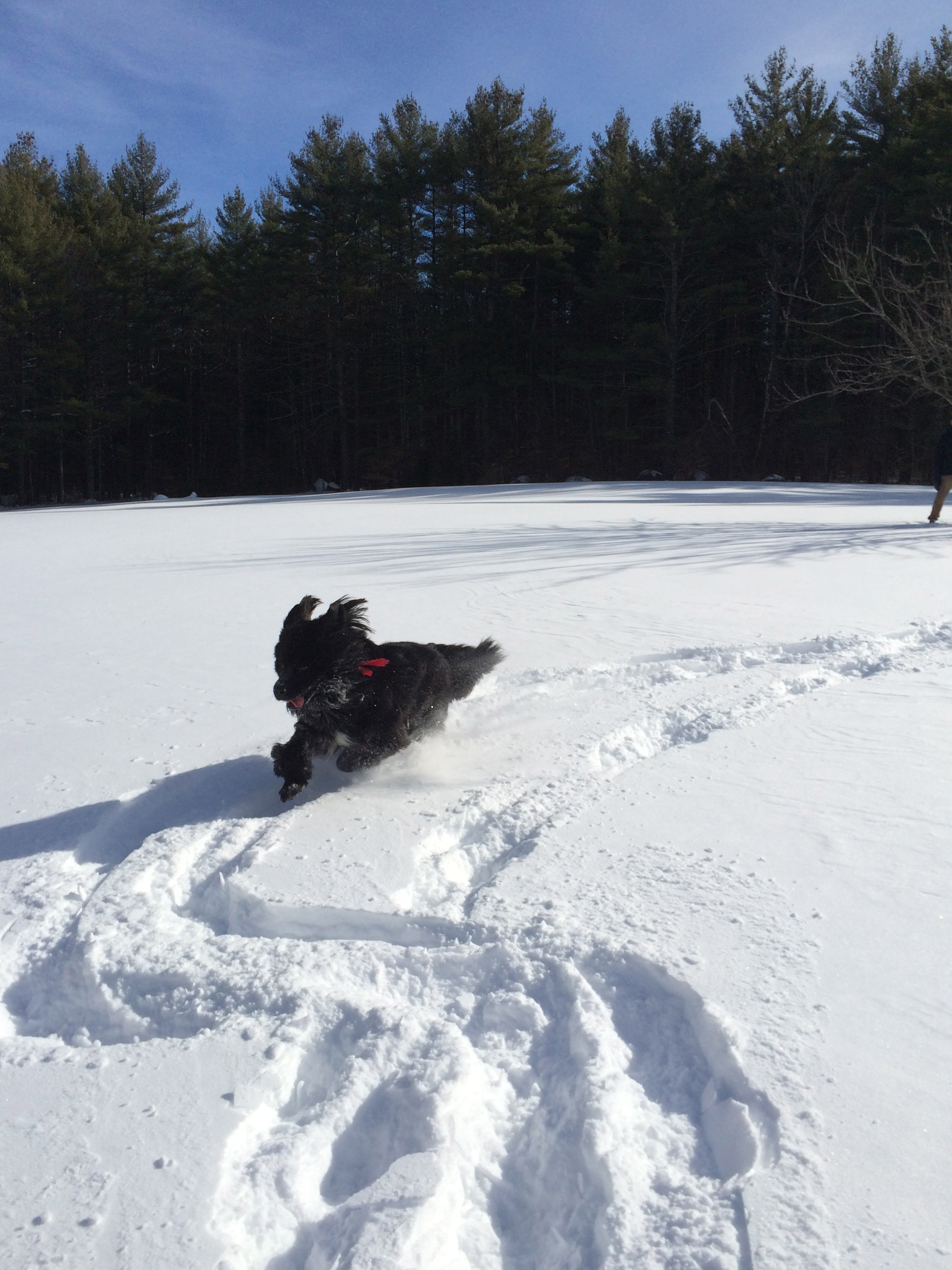
In all likelihood, #6 will be the use of choice, as our chicken bath is running a bit low. An adventurous Newfie (or other similarly inclined pet) makes stashing a bit away in the event of #3 a wise decision as well.
 Rural New Hampshire
Pingback: WORLD ORGANIC NEWS | “THE RODALE BOOK OF COMPOSTING” | Rural New HampshireWORLD ORGANIC NEWS